Skip to content
Michi-no-Eki JournalMap
Illustrative image — not an on-site photograph

Ishikawa Prefecture · Hokuriku

Michi-no-Eki Suzu Endenmura (Suzu Salt Farm Village Roadside Station)

道の駅 すず塩田村

See agehama salt making, which turns the sea of Oku-Noto into salt, then shop for salt and continue your coastal drive.

Illustrative image — not an on-site photograph

Location
Suzu City
Road
National Route 249
Hours
09:00–17:00
The listed 09:00–17:00 hours apply from March through November; closing time is 16:00 from December through February. An official notice says the salt museum remains closed and directs visitors to the lobby shop and toilets. Salt-making experiences run from May through September and require a reservation.
Parking
Cars: 30 / Large vehicles: 6
My stamp

Record this station in your journal

Records are saved in this browser. Visited stations receive a stamp and count towards your nationwide progress.

Nationwide progress
— / 1,238 stations
How to enjoy

Choose how to enjoy your visit

Eat, shop, play, take in the view or rest. Choose from the station’s strengths to suit your day.

First stop
Toilets and shop

On a drive along Oku-Noto's outer coast, the next rest stop can be some distance away. Get ready here first, whether traveling with children or adults only.

What makes this stop special
Agehama salt making

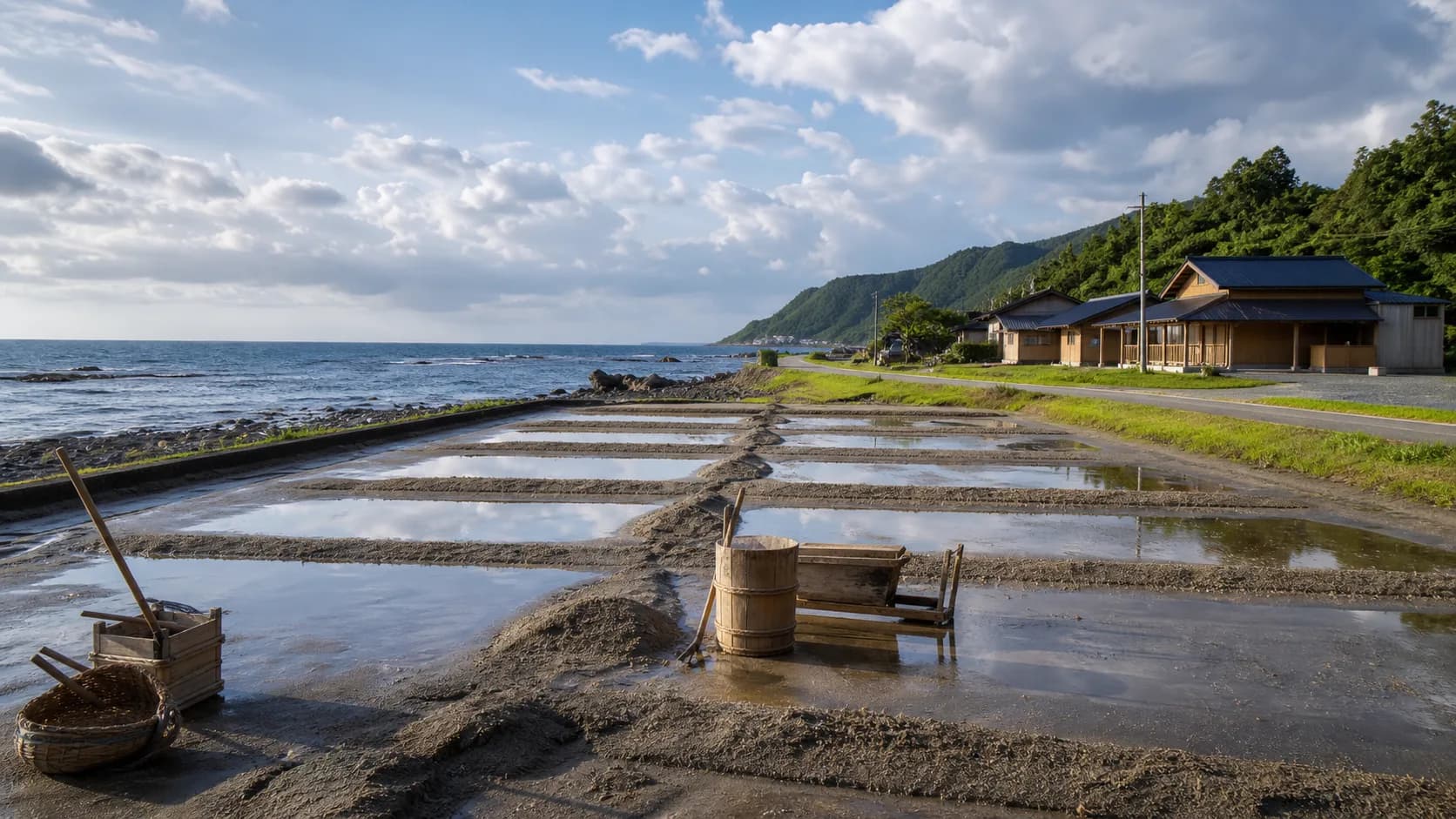
Through shopping or a visit, discover the craft of drawing seawater, sprinkling it over sand, and boiling down the concentrated brine.

Take home
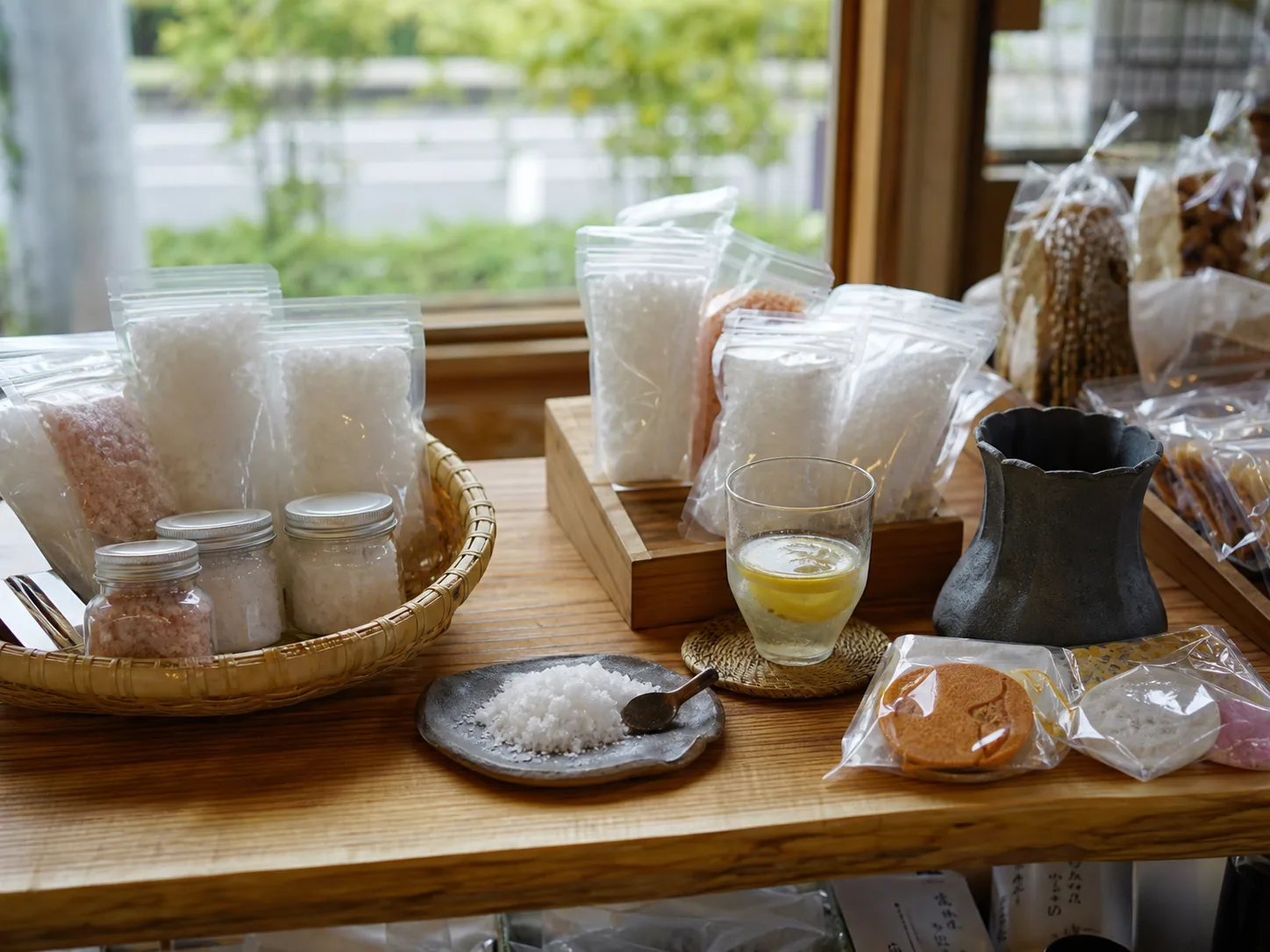
Oku-Noto agehama salt

Look beyond the salt itself for salt-flavored sweets and drinks and other Suzu specialties.

Continue to
Kinoura, Cape Rokkosaki and Tarumi Falls

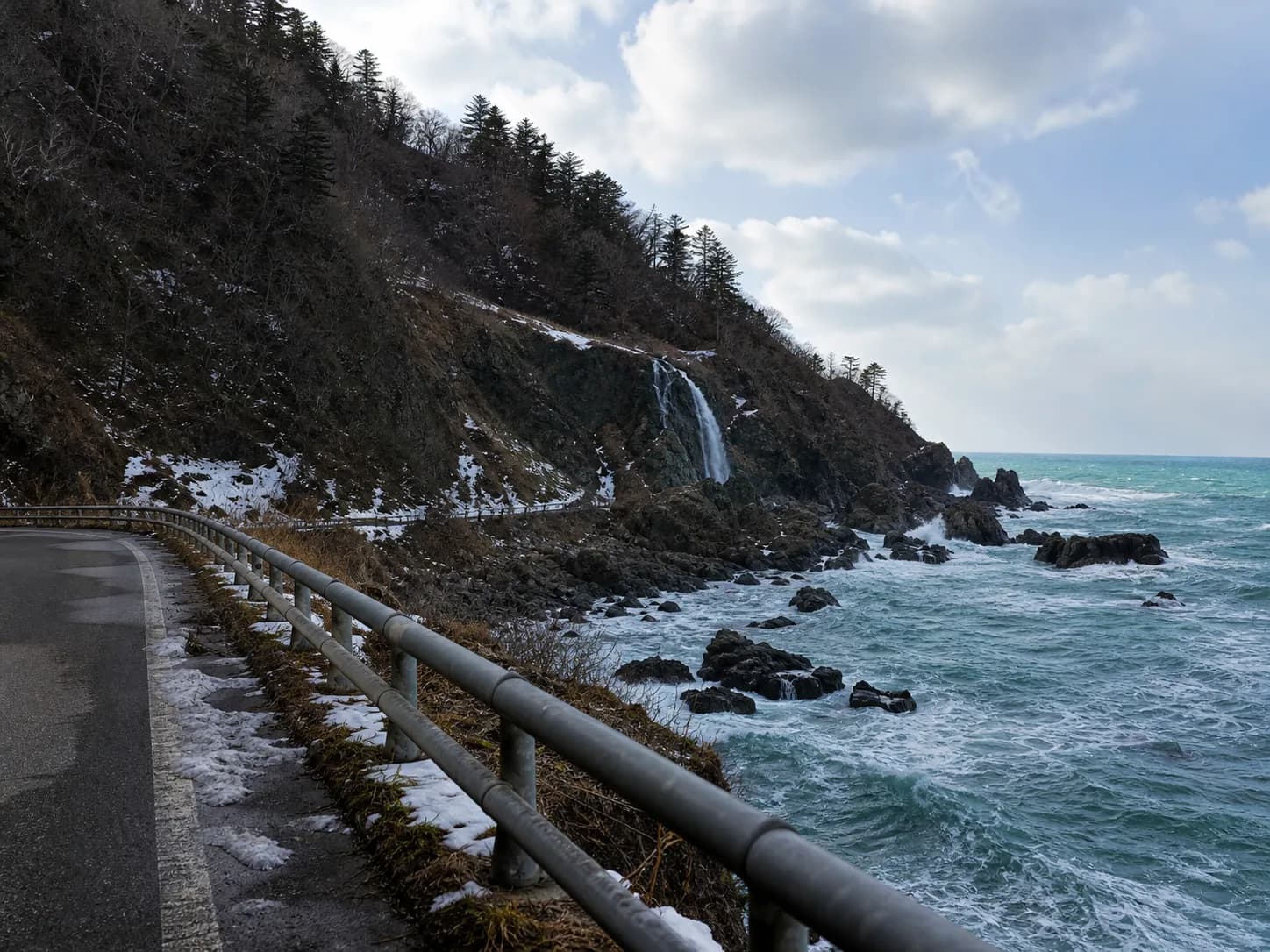
In clear weather, add the coast and lighthouse; in the windy season, a short stop for the falls or coastal scenery brings out more of Oku-Noto's character.

Illustrative image — not an on-site photograph
Highlights

Michi-no-Eki Suzu Endenmura is more than a rest stop on National Route 249: it offers a glimpse of agehama salt making, a traditional method still practiced on Suzu's Nie Coast. Browse Oku-Noto agehama salt and salt-based products in the shop, and, when the weather allows, take in the salt field and the sea. Families can use the toilets and shop first, then encounter this local craft without a long walk. On a clear day, head toward Kinoura and Cape Rokkosaki; in rough weather, consider the scenery around Tarumi Falls or shopping in central Suzu. It is a small starting point for an Oku-Noto drive.

  • #Agehama salt making
  • #Oku-Noto agehama salt
  • #Nie Coast
  • #National Route 249
  • #Coastal drive
  • #Support for recovery
Why I like it

Reasons to stop here

01

Where Sea of Japan water becomes a travel souvenir

The shop shelves are only part of this stop's appeal. Agehama salt making involves drawing seawater from the Nie Coast, sprinkling it over sand in a salt field, then boiling the concentrated brine in a kettle. Knowing the work behind it changes how you see a small bag of salt.

02

A practical stop on an Oku-Noto outer-coast drive

The coastal stretch of National Route 249 is scenic, but it helps to plan your rest stops. Use the toilets and shop here and check the road situation before heading toward Kinoura or Noroshi, or returning toward Wajima.

03

A craft that is easy to explain to children

Salt is familiar at the table, but how it is made can be hard to picture. When the hands-on salt field is available, young children can focus on the tools and primary-school children on the process. The official notice says the salt museum is closed, so on rainy or very windy days, keep the visit short and focus on the shop.

Route idea

Ways to plan your stop

Spend your time at the station or add somewhere nearby. These ideas help you plan around your companions and the weather.

Families or couples passing through by car

Experience the salt stop in 30 minutes

After parking, use the toilets, visit the shop, and briefly look at information about the salt field and museum. Treat this as a place to choose salt and Suzu souvenirs rather than expecting a large meal.

Parking → toilets → shop → salt-field and exhibit information → departure

Museum and experience operations can change. If either is the reason for your visit, check official or tourist information that day.
Primary-school children and older, school projects, and people interested in local culture

Make summer salt making the focus of your trip

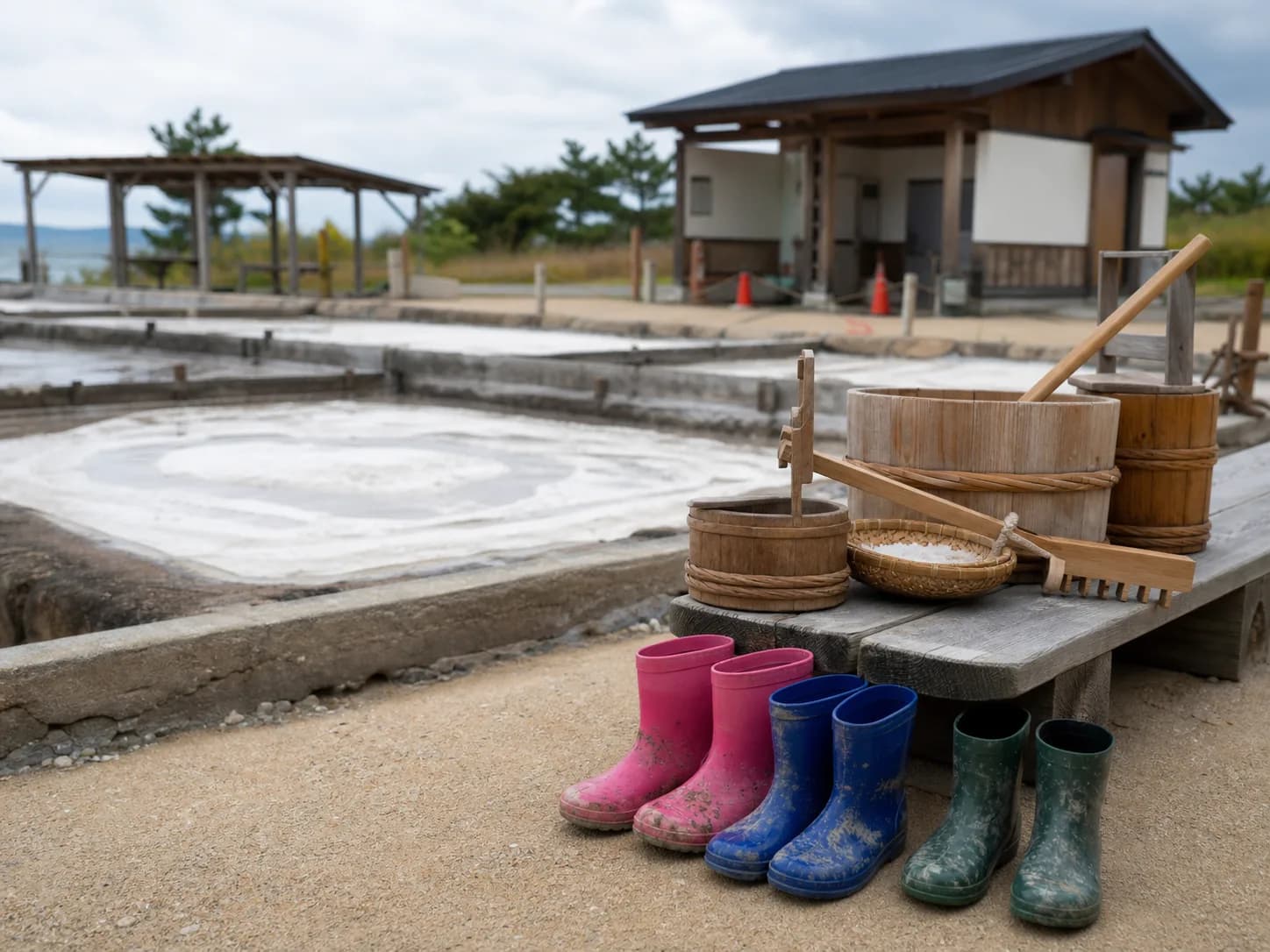
During the May–September experience period, you can see agehama salt making up close. Sprinkling seawater, drying the sand, and collecting concentrated brine connect the process to the salt on your table.

Check official experience availability → roadside station → experience or viewing → choose salt in the shop

Experiences require a reservation and may be canceled in rain. Allow time for travel, prepare for the heat, and bring a change of clothes.

A day for sea views

Follow the sunny outer coast north

After a break at Endenmura, continue to Kinoura Coast and Cape Rokkosaki Lighthouse. The route leads naturally from salt-making culture to the seascapes near the tip of the Noto Peninsula.

Suzu Endenmura → Kinoura Village area → Michi-no-Eki Noroshi → Cape Rokkosaki Lighthouse

The outer coast can be windy. With children, check the uphill walk to the lighthouse, where you park, and when to use the toilets.

Families with toddlers or when the weather is uncertain

Keep a rainy or windy day short and return to central Suzu

Skip a long coastal walk: use the shop and toilets, then switch to food and shopping around Suzunari or central Suzu. Avoiding a difficult outdoor walk can make the rest of an Oku-Noto journey easier.

Suzu Endenmura → Michi-no-Eki Suzunari → food and shopping in central Suzu

Road conditions and restoration work can affect travel. Check National Route 249 traffic information before setting out.

Akari's way to visit

With children, decide when to use the toilets and shop before seeing the salt field.

Akari Yoshimi starts with what makes the family visit easy, before looking at exhibits. Rest stops can be far apart on the outer-coast road, so the order after parking is toilets, shop, then salt field or available displays. When an experience is possible, make it the focus; in rain or strong wind, buy salt and head back toward central Suzu. This keeps a family itinerary manageable as Oku-Noto continues its recovery.

Family

Visiting with children

Illustrative image — not an on-site photograph

Stars show the editorial recommendation for each age group on a five-point scale. Read the reasons alongside each rating.

Age 1 and under
★★★☆☆

Suitable for a short toilet and shop stop; a long outdoor visit depends on the weather.

The coast can be windy. Do not count on nursing or diaper-changing facilities; combine the visit with a break in the car.

Ages 2–3
★★★☆☆

Fun for a brief look at the tools and salt field; a shorter stay works best.

Watch footing and wind at the salt field and shore. Use the toilets first, then perhaps let children choose a small sweet in the shop.

Ages 4–6
★★★★☆

The tools and sandy landscape make it easier to explain how salt is produced.

An experience in season can be memorable. In rain or extreme heat, focus on the shop and any available displays, and shorten outdoor walks at Kinoura or the lighthouse.

Primary-school children
★★★★★

Agehama salt making can become a school project or a lesson during the trip.

Follow the steps from seawater, sand and sun to boiling in a kettle, then continue the conversation when using the salt at home.

Toilets

An official notice says the toilets are available. Use them before the outer-coast drive.

Meals

Best for buying salt, sweets and drinks. Consider central Suzu or Michi-no-Eki Suzunari for lunch.

Rainy days

Keep the visit shop-focused. The official notice says the salt museum is closed; decide on the salt field or coastal stops according to the weather.

Strollers

The building and shop are convenient for a short visit; assess the ground conditions at the salt field and coast before continuing.

Rest

Ideas for a restful stop

  1. 1
    Choose a parking place

    Large vehicles use this station too, so parking near an entrance and the toilets can make a short break easier.

  2. 2
    Visit the shop first

    Choose salt or a small souvenir first, then add a brief look at the outdoor salt field or shore if the weather and footing allow.

  3. 3
    Decide on the next rest stop before leaving

    If heading north, consider Noroshi; if returning, consider Suzunari or central Suzu for the next break.

Event

Make an event part of your visit

Permanent spaces and dated events are listed separately. Events can change both the atmosphere and crowds; use the official links for details.

Checking event dates.

Spaces used for events

Hands-on salt field

The May–September experience period can be the highlight of a trip. Rain cancellations and reservation conditions make this a seasonal experience to plan for, rather than a drop-in event.

Shop reopening

Suzu City announced that the shop fully reopened in April 2026, making a shopping stop more dependable during recovery.

Suzu City events

On days with city events such as the Noroshi market, marine sports or Marukajiri, this station can serve as a stop between activities as well as a rest break.

Salt-making seasons

Successive sunny summer days bring more signs of salt-making work; winter brings a stronger sense of the Sea of Japan and the season at Tarumi Falls.

Local feel

Reasons to return

Practical ideas and things to consider when spending time here.

The reopened shop makes it easier to support recovery through a purchase

Suzu City says the shop fully reopened on April 25, 2026. As recovery continues, choosing salt or sweets and moving on suits this stop better than planning a long restaurant visit.

Experiences depend on season and weather

Tourist information lists salt-making experiences from May through September, with reservations required and possible rain cancellations. They can anchor a summer trip; for a spontaneous stop, plan mainly to look around and shop.

Knowing the process changes how you choose a souvenir

The operator's salt-making guide explains drawing seawater, sprinkling it over sand, drying the sand, collecting concentrated brine and boiling it. Even on a short visit, reading a little about the process before entering the shop makes the salt more than a seasoning.

Plan rest stops ahead on an outer-coast drive

Journeys from Noto Airport or the Wajima area can take time, and road conditions matter along scenic National Route 249. Use the toilets and shop before continuing north so the family has more breathing room.

Make this the start of a food trip, rather than the whole meal

Accounts of the recovery mention salt, salt-lemon products and salt candy returning to sale. For a family lunch, buy salt here and continue to central Suzu or Michi-no-Eki Suzunari, rather than relying on this stop for the whole meal.

The coastal scenery changes in winter

Tarumi Falls is known for water blown upward by strong winter winds. If you are heading from Endenmura toward Wajima and the weather is safe enough, it offers a short glimpse of the outer coast in winter.

Before your visit

Things to check before setting out

Opening and closure days, individual businesses and facilities for children or dogs can affect your plans.

  • Suzu City says the shop fully reopened on April 25, 2026. An official operator notice still says the salt museum is closed. If an experience is your aim, check current official information first.
  • Salt-making experiences are listed for May through September, with reservations required and possible rain cancellations. Prepare for summer heat; consider shoes and a change of clothes for children.
  • Tourist information lists 30 standard-car spaces, six large-vehicle spaces and three accessible spaces. When a tour bus arrives, allow for a busier shop and toilets.
  • The listed winter closing time is 16:00. On the outer coast, choose the next rest stop before it gets dark.
  • Restoration work and weather can affect National Route 249. Check road information before traveling toward either Wajima or Noroshi.
  • For a substantial lunch, use this as a salt-shopping and rest stop, then continue to food options at Michi-no-Eki Suzunari or in central Suzu.
Food

Eating and shopping

Specialities, places to eat, sweets and bakeries can all give you a reason to stop. Check individual menus for current prices and availability.

  • Souvenir
    Oku-Noto agehama salt
    Check the shop or official online store for current availability
  • Small purchases
    Salt-flavored sweets and drinks
    Salt candy, salt-lemon products and others vary with the season and deliveries
  • Take-home product
    Natural nigari (bittern, used to set tofu)
    For making tofu or cooking; check the shop for sizes and prices
  • Local shopping
    Suzu ware, diatomaceous-earth grills and other local products
    A shop for Suzu crafts as well as food
Food mood

What would you like to eat?

A meal, a sweet treat, market shopping or something to take away: choose a focus for the day instead of trying everything at once.

Illustrative image — not an on-site photograph
Buy first

Oku-Noto agehama salt

The key purchase here. Once you have seen how the salt is made, it is easier to explain the souvenir to someone who loves cooking.

Production and sales can change during earthquake recovery. Check the shop or official online store for individual items and quantities.

For children

Salt candy, salt-lemon products and small sweets

Pick up a few sweets that are easy to handle in the car before a long coastal drive. In summer, plan for drinks as well.

This is not a large food court. Consider central Suzu or the next roadside station for lunch.

For cooks

Salt, nigari (tofu-setting bittern) and salt recipes

These make souvenirs with a story about using a little salt on meat or fish, or nigari to make tofu at home. The official salt recipes can help you choose.

A taste of the region

Suzu ware, diatomaceous-earth grills and processed seafood

Look beyond food to objects connected with Suzu's earth and daily life; even a short visit can leave a stronger sense of the place.

Add a meal

Meals at Michi-no-Eki Suzunari or in central Suzu

Make salt and a rest break the focus here, then head into town for a full meal.

Share

Send your travel companions a possible stop.

Send a correction

Let us know if information on this page, such as hours or closing days, is incorrect. Our editors will review your message before updating the guide.

We use your submission only to review and improve our content and to reply about your message.