Skip to content
Michi-no-Eki JournalMap
Illustrative image — not an on-site photograph

Fukushima Prefecture · Tohoku

Roadside Station Karamushi Weaving Village Showa

道の駅 からむし織の里しょうわ

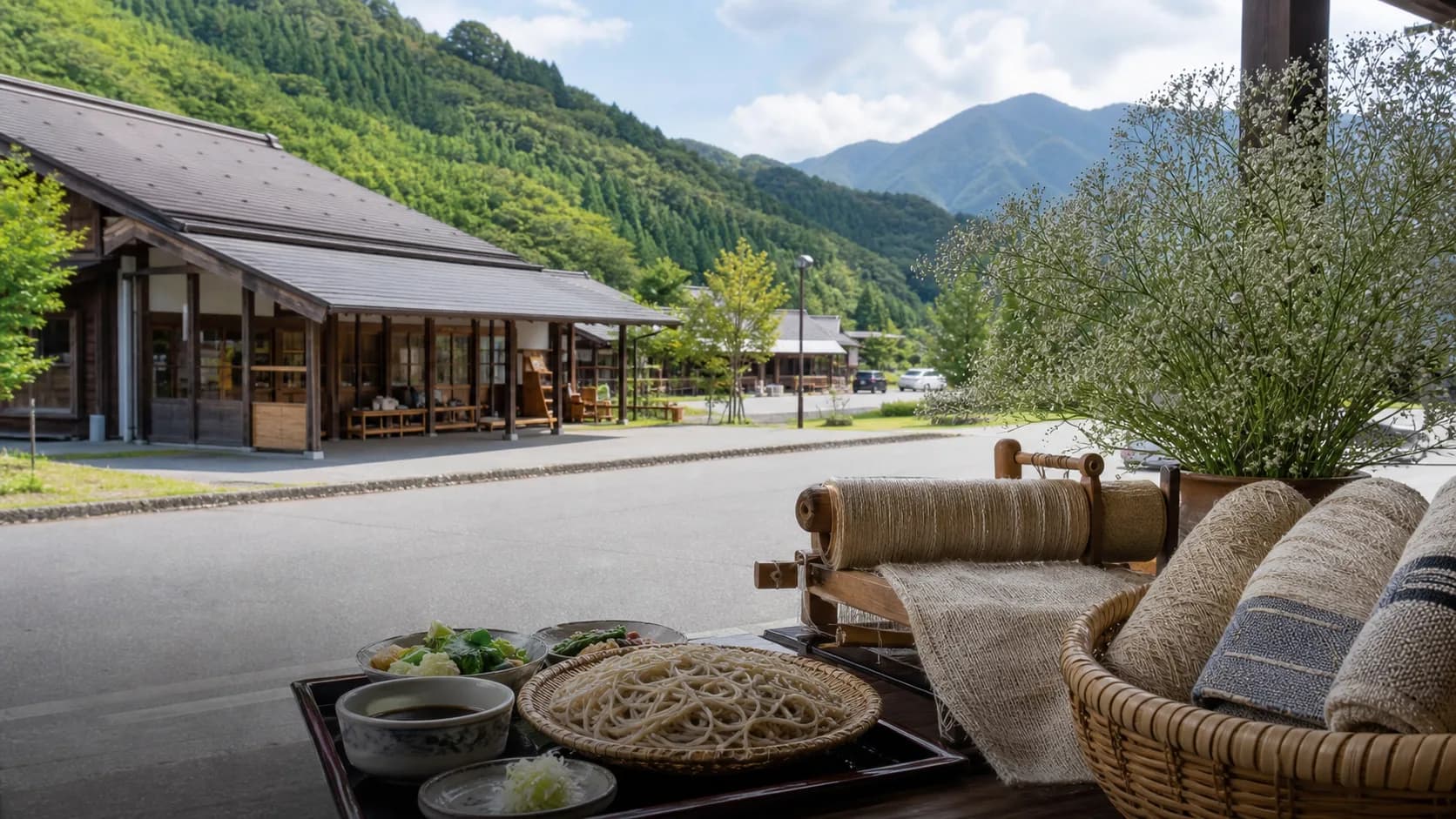
Karamushi weaving, 100% buckwheat soba and baby's breath flowers: take home a piece of Okuaizu craft culture with your meal stop.

Illustrative image — not an on-site photograph

Location
Showa Village, Onuma District
Road
National Route 400
Hours
09:00–17:00
Approximate hours for the roadside station and Orihime Exchange Hall; Choma-an and the museum have separate hours.
Parking
Cars: 40 / Large vehicles: 5
My stamp

Record this station in your journal

Records are saved in this browser. Visited stations receive a stamp and count towards your nationwide progress.

Nationwide progress
— / 1,238 stations
How to enjoy

Choose how to enjoy your visit

Eat, shop, play, take in the view or rest. Choose from the station’s strengths to suit your day.

Main reason to stop
Karamushi weaving and a meal

The shop, museum and Choma-an sit close together, so even a short visit gives you a feel for Showa Village.

With children
Easy to visit indoors

Come for the restrooms, shop, brief activity and meal in sequence, rather than for large play equipment.

Explore nearby
Kuimaru Elementary School or the wetland

Choose nature on a clear day; in rain or cold weather, allow more time for Kuimaru Elementary School or the museum.

Illustrative image — not an on-site photograph
A family's order of activities

Restrooms, food, crafts, then outdoor play: a simple plan for the day

This station is best for a compact taste of Okuaizu crafts and lunch, rather than hours on play equipment. With small children, settle in at the restrooms and shop first, eat lunch or a snack, then visit the museum or try weaving if everyone has energy. On a sunny day, finish at Kuimaru Elementary School or the wetland before getting back in the car.

Shop

In a short visit, browse village-made goods such as karamushi products, baby's breath and freeze-dried mochi.

Eat

Plan Choma-an for lunchtime, while checking for winter closure or temporary changes.

Play

Activities at the station are mainly indoors. For time outdoors, head to Kuimaru Elementary School or Yanonohara Wetland.

Highlights

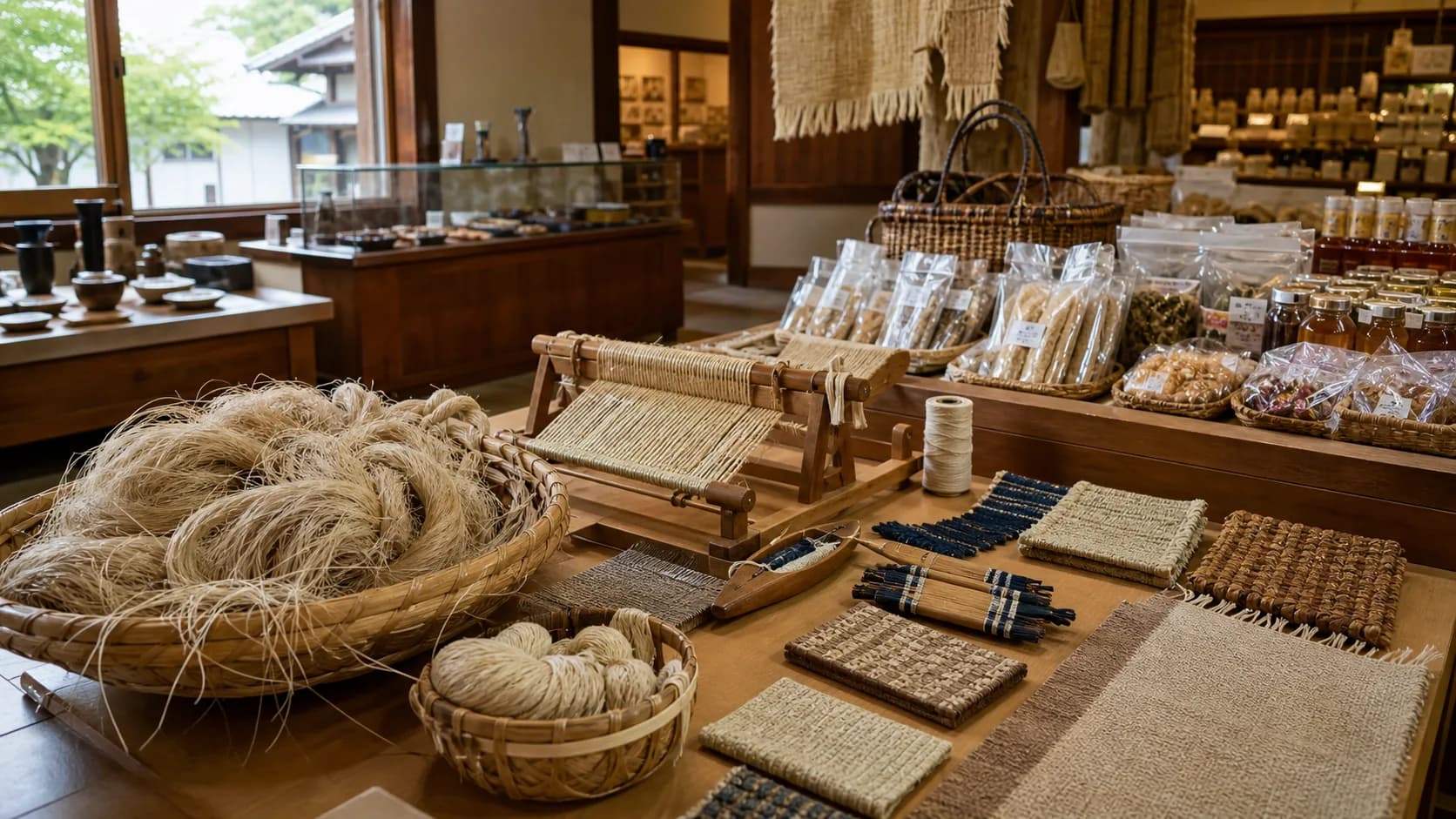
When Route 400 brings you into Showa Village, make more of this stop than a restroom break. Browse karamushi fiber products, seasonal vegetables and summer-to-autumn baby's breath at Orihime Exchange Hall. At Choma-an, choose juwari soba made entirely from Showa Village buckwheat flour or karamushi ramen; if the schedule fits, add a coaster-weaving session. This is no place for hours on large outdoor play equipment, but its indoor craft museum, shop and restaurant make a rainy-day or family drive easier to plan. On a clear day, drive on to Kuimaru Elementary School or Yanonohara Wetland for half a day in an Okuaizu mountain village.

  • #Karamushi weaving
  • #100% buckwheat soba
  • #Baby's breath flowers
  • #Hands-on craft
  • #Okuaizu drive
Why I like it

Reasons to stop here

01

Craftwork takes center stage

Buy karamushi-woven goods, learn their story at the craft museum and, when dates align, try weaving a coaster. The station lets you encounter the village's handwork in one place. Karamushi is a plant fiber traditionally used for weaving here.

02

Lunch leaves a mountain-village memory

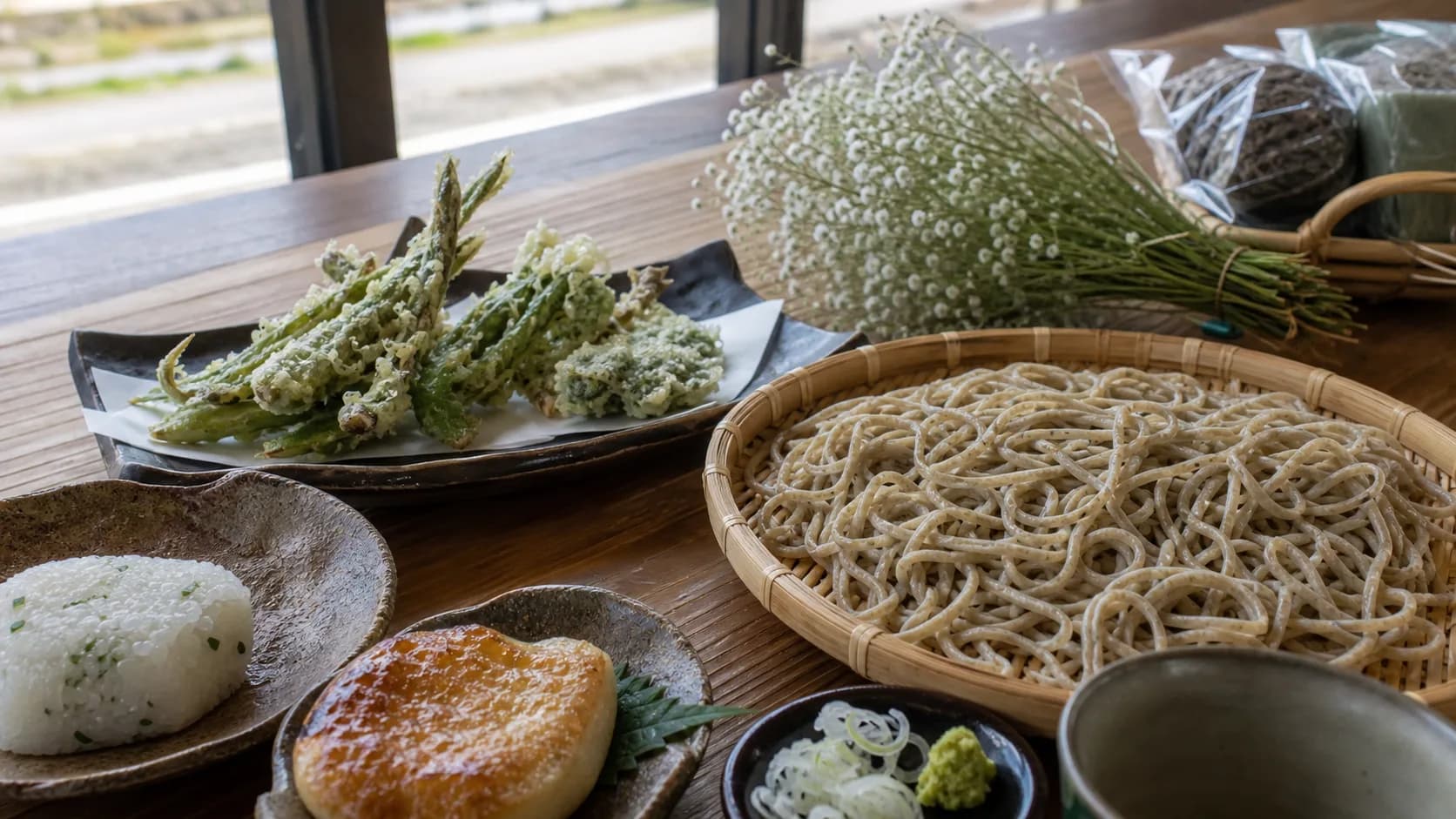
Choma-an serves memorable local dishes: juwari soba made with Showa Village buckwheat flour, karamushi ramen, bandei mochi and shimi-kusa mochi. Juwari soba uses 100% buckwheat flour. Plan your visit around lunchtime.

03

Take home flowers and preserved foods

Summer-to-autumn baby's breath, freeze-dried shimi mochi, egoma (perilla) products, and foods and small goods made with karamushi bring village life into the shopping selection.

Route idea

Ways to plan your stop

Spend your time at the station or add somewhere nearby. These ideas help you plan around your companions and the weather.

A first visit

Extend a lunch break into shopping for Showa Village goods

Check the restrooms and how busy the shop is, then choose soba or karamushi ramen at Choma-an. After eating, look at karamushi goods, baby's breath and freeze-dried mochi: a 30-minute break can become a stop of about an hour.

Outdoor restrooms → Orihime Exchange Hall → Choma-an → shop

Choma-an mainly serves lunch and closes in winter. If you are coming to eat, check its official updates first.
Families with children and three-generation groups

On a rainy day, focus on the craft museum and a short activity

Skip extra outdoor play: see karamushi tools and cloth at the craft museum, then try coaster weaving on a day when reservations are available. With small children, breaks at the shop, restrooms and for a snack may work better than a long look at displays.

Orihime Exchange Hall → Karamushi Craft Museum → shop → Choma-an

The experience has set days and reservation conditions. Contact the venue early for a larger group.

An Okuaizu drive

On a clear day, add Kuimaru Elementary School or Yanonohara Wetland for half a day

After eating and shopping at the station, choose Kuimaru Elementary School for photos and a café, or Yanonohara Wetland for fresh air. The wetland road is narrow and impassable in winter, so choose according to weather and season.

Roadside station → Kuimaru Elementary School or Yanonohara Wetland → Shirakaba-so

The road to Yanonohara Wetland is unsuitable for large vehicles. Kuimaru Elementary School and Shirakaba-so are easier choices in winter or bad weather.

The end of a long drive

Head to the hot spring before evening to prepare for the drive home

After a day of mountain-road driving, eat something light at the station and go on to a day-use bath at Showa Onsen Shirakaba-so. Bathing hours for visitors from outside the village end at 16:30, with departure by 17:00, so leave the station in good time.

Roadside station → Showa Onsen Shirakaba-so → drive home

Shirakaba-so may close unexpectedly or change its hours. Check its latest updates before setting out for a bath.

Hours

Opening hours

Orihime Exchange Hall and roadside station
9:00-17:00

Main hub for shopping and information. Watch for New Year and temporary closures.

Local Food Heritage Hall Choma-an
April–November, 11:00–15:00

Last orders are at 14:30. Closed Wednesdays during April–November and throughout December–March; temporary changes may occur.

Karamushi Craft Museum
9:00-17:00

Last admission is 16:30. Open daily April–November; irregular closures December–March. New Year or temporary closures may also occur.

Outdoor restrooms
Open 24 hours

The tourism association says these are available outside the station's opening hours.

Family

Visiting with children

Illustrative image — not an on-site photograph

Stars show the editorial recommendation for each age group on a five-point scale. Read the reasons alongside each rating.

Age 1 and under
★★★☆☆

Suitable for a short break, with the outdoor restrooms and shop close together.

Dedicated nursing and diaper-changing facilities are unclear from the official information, so plan a shorter stop unless you confirm them.

Ages 2–3
★★★☆☆

Meals, the shop and brief exhibits work well in short stages at this age.

Think of this as a short rainy-day stop rather than a destination for a large outdoor playground.

Ages 4–6
★★★★☆

Seeing karamushi fibers and looms or asking about coaster weaving can spark an interest in making things.

The activity runs on set days and has reservation conditions. On days without it, the shop and restaurant still make for an easy visit.

Elementary school age
★★★★☆

Combine the craft museum, weaving activity, Kuimaru Elementary School and Yanonohara Wetland for half a day of learning and outdoor time.

Do not collect plants or other natural items at the wetland; some paths are narrow. Explain the rules before exploring.

Rainy day

Plan around the museum, shop and restaurant. You can skip outdoor play and decide whether to visit Kuimaru Elementary School instead.

Restrooms

The tourism association says they are open 24 hours, including outside business hours, making this a useful long-drive stop.

Food

Choma-an mainly serves lunch. With children, you might avoid the busiest time and look around the shop first.

Outdoor play

For room to move on a clear day, extend the visit to Kuimaru Elementary School or Yanonohara Wetland rather than relying on the station grounds alone.

Rest

Ideas for a restful stop

  1. 1
    Parking for about 40 standard cars

    This is not a large station, and crowds can change from late morning on event days. For a short break, morning or after lunch may be easier.

  2. 2
    Use the outdoor restrooms first

    Outdoor restrooms are available outside business hours, making this a useful break before or after mountain roads.

  3. 3
    Plan to eat early in the lunch period

    Choma-an generally serves lunch until 15:00. If soba is the goal, avoid arriving late.

  4. 4
    Leave early if adding the hot spring

    For visitors from outside the village, Shirakaba-so lists day-use bathing until 16:30 and departure by 17:00. Finish at the station early rather than leaving the bath until evening.

Event

Make an event part of your visit

Permanent spaces and dated events are listed separately. Events can change both the atmosphere and crowds; use the official links for details.

Checking event dates.

Spaces used for events

Orihime Exchange Hall

The hub for karamushi goods, village specialties and activity registration: a starting point for fairs and everyday shopping.

Karamushi Craft Museum

An indoor place to learn the history of the village's handwork, suited to rainy days and families looking to learn.

Venues around the roadside station

During the Karamushi Weaving Village Fair, field visits, stalls and stage performances give the area a different role from an ordinary day.

Kuimaru Elementary School

A place to check village events and weekend stalls, a short drive from the roadside station.

Local feel

Reasons to return

Practical ideas and things to consider when spending time here.

Baby's breath brings a strong sense of season to shopping

Showa Village is known for summer-to-autumn baby's breath, which may appear in the shop during harvest. If you take flowers home, consider the car's temperature and your return journey and buy them last.

Rain need not erase what makes this station special

Orihime Exchange Hall, the Karamushi Craft Museum and Choma-an are close together, so you can focus on crafts and food in bad weather. With children, shop and meal breaks may work better than a long museum visit.

Yanonohara Wetland is close, but mind the road and season

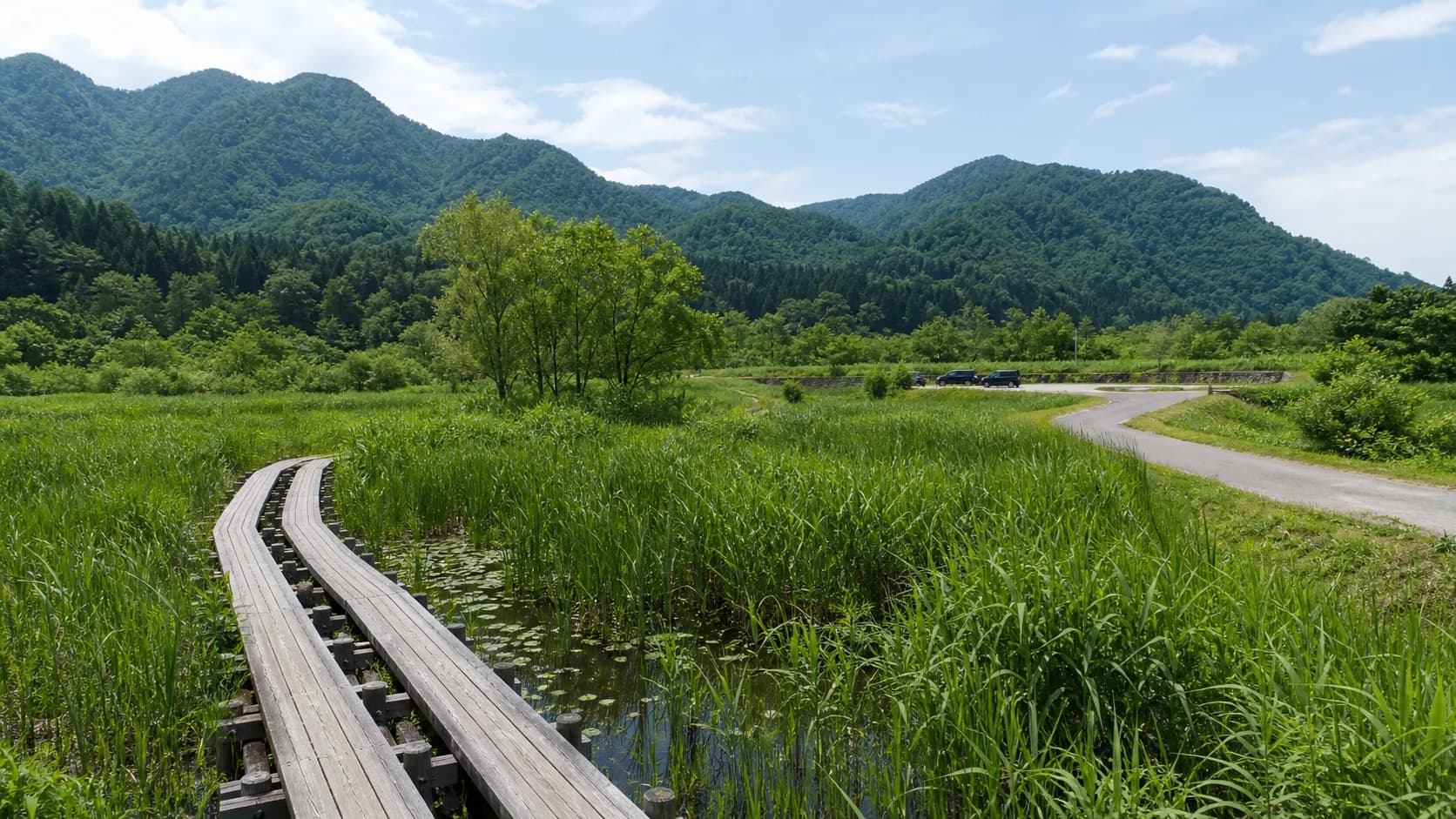
At about 5.5 km from the station, it is close, but the road is narrow and cannot be used when snow-covered. A clear day in a standard car, during flower or autumn-color season, is a good choice.

Kuimaru Elementary School also works when children need a change

The wooden schoolhouse, café, weekend stalls and seasonal flowers are a short drive away. On a rainy or hot day when you skip the wetland, Kuimaru Elementary School may be easier to explore as a family.

An event day changes the feel of this usually quiet station

On Karamushi Weaving Village Fair days, field visits, stalls and stage performances change the purpose of a visit. Allow extra time for food and parking, and check event details before setting out.

Before your visit

Things to check before setting out

Opening and closure days, individual businesses and facilities for children or dogs can affect your plans.

  • Choma-an mainly serves lunch from April through November. For a meal-focused visit, check its official updates for winter and temporary changes.
  • Coaster weaving generally runs on Fridays, Saturdays, Sundays and public holidays, with advance reservation required. Contact the venue early if your family or group wants to join.
  • The Karamushi Craft Museum charges admission; last admission is generally 16:30. Leave enough time to visit after lunch.
  • The outdoor restrooms are reported to be available outside business hours. Remember them as a break before or after the mountain roads.
  • The road to Yanonohara Wetland is narrow and impassable when snow-covered. In winter or bad weather, Kuimaru Elementary School or Shirakaba-so is easier to reach.
  • Parking and dining crowds differ from ordinary days during events. Allow extra time for occasions such as the Karamushi Weaving Village Fair.
Food

Eating and shopping

Specialities, places to eat, sweets and bakeries can all give you a reason to stop. Check individual menus for current prices and availability.

  • Choma-an
    Juwari soba (100% buckwheat noodles)
    The lunch centerpiece, made with locally grown Aizu no Kaori buckwheat flour.
  • Choma-an
    Karamushi ramen
    A station specialty with karamushi fiber kneaded into the noodles.
  • Local dishes
    Bandei mochi and shimi-kusa mochi
    Good for a small bite or sharing with family; these are local rice-cake snacks.
  • Shopping
    Baby's breath, freeze-dried mochi and egoma products
    Availability changes with the season and deliveries; browse the shop for what is in stock.
Food mood

What would you like to eat?

A meal, a sweet treat, market shopping or something to take away: choose a focus for the day instead of trying everything at once.

Illustrative image — not an on-site photograph
Lunch

Juwari soba, tempura soba, karamushi ramen

If you can arrive at midday, make Choma-an the main stop. When mountain vegetables or seasonal dishes are served, they bring Showa Village's mountain flavors alongside the soba.

Service centers on lunch and stops in winter. Check recent updates if the meal is your main reason for coming.

Snacks

Bandei mochi, shimi-kusa mochi, tempura-fried manju

Even without a full restaurant meal, take a break with Aizu-style sweet and savory snacks. They are easy to share with children; manju is a sweet filled bun.

Offerings vary with the season and preparation.

Shopping

Karamushi products, baby's breath, freeze-dried mochi, egoma products

Flowers, handwork and preserved foods make shopping here distinctive. In summer and autumn, look out for days when baby's breath is in stock.

Flowers and vegetables vary with the season and deliveries.

Reserved meal

Choma-zen

For an adults-only trip or a special meal, consider this reservation-only local meal: herring pickled with sansho pepper, akahara fish and mixed-grain rice offer a taste of village food traditions.

Reservation is generally required for at least two people, at least one week before the visit.

Online shopping

Roadside station web shop

You can check the official online shop later for goods you hesitated over or found too heavy to carry. At the station, you could prioritize flowers and lighter items.

Follow the online shop for current stock and prices.

Share

Send your travel companions a possible stop.

Send a correction

Let us know if information on this page, such as hours or closing days, is incorrect. Our editors will review your message before updating the guide.

We use your submission only to review and improve our content and to reply about your message.