Skip to content
Michi-no-Eki JournalMap
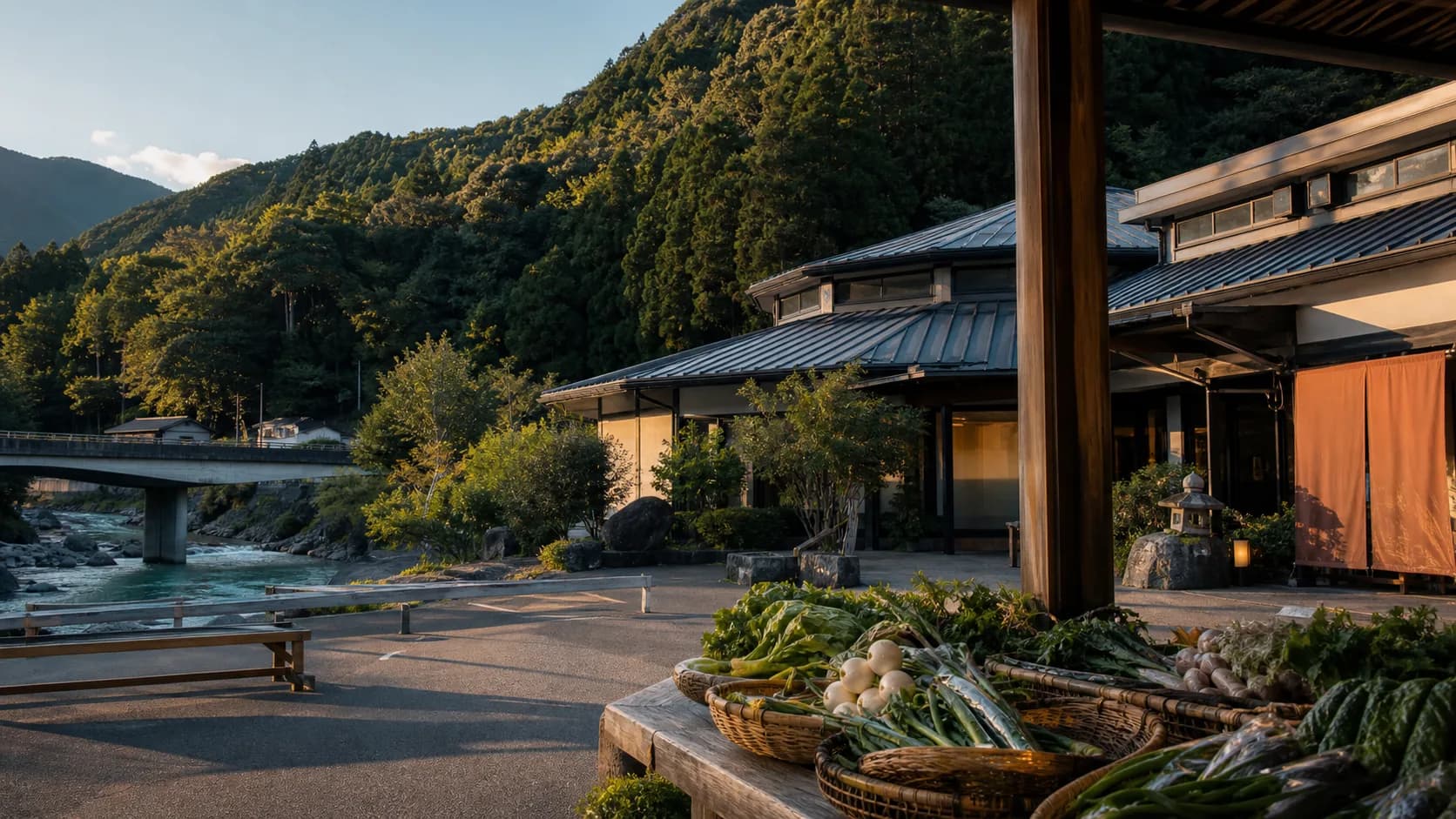
Illustrative image — not an on-site photograph

Kumamoto Prefecture · Kyushu

Roadside Station Misato “Samata no Yu”

道の駅 美里「佐俣の湯」

Unwind at a hot spring beside a clear stream, then take home a taste of Misato's rural hills with an Akaushi beef bowl and a visit to Wakuwaku-kan.

Illustrative image — not an on-site photograph

Location
Misato Town, Shimomashiki District
Road
National Route 218
Hours
10:00–21:00
Hot spring 10:00–21:00 (last admission 20:30); restaurant 11:30–15:00; Wakuwaku-kan farm produce market 9:00–18:00.
Parking
Cars: 90 / Large vehicles: 2
My stamp

Record this station in your journal

Records are saved in this browser. Visited stations receive a stamp and count towards your nationwide progress.

Nationwide progress
— / 1,238 stations
How to enjoy

Choose how to enjoy your visit

Eat, shop, play, take in the view or rest. Choose from the station’s strengths to suit your day.

Settle in first
Hot spring and toilets

After a long drive or a climb on the stone steps, deciding when to bathe first makes it easier to fit in food and shopping.

If you want to eat
Akaushi beef bowl or dagojiru

Plan lunch around the restaurant's 11:30–15:00 hours. If you will eat after bathing, decide on your bath time first.

If you want to shop
Wakuwaku-kan

Browse local vegetables, seasonal produce and processed foods before leaving. In summer, a cooler bag is helpful.

If you want a short walk
Futamata Bridge and the Octagonal Tunnel

These nearby stone-bridge and railway-remnant stops fit around a bath. For photographs, the scene changes with season and time of day.

If you have half a day
Stone steps or forest activities

Japan's Longest Stone Staircase and Forest Adventure take energy. A bath at the end can make the journey home easier.

Illustrative image — not an on-site photograph
Hiyori's rest-stop notes

Bathing first makes Misato detours easier to plan.

Hiyori Nanjo sees this station as a place to reset a Route 218 itinerary, with more than shopping after a bath. Pause at the parking area and toilets, check the hours, then choose the hot spring, a meal or Wakuwaku-kan. From there, decide whether to make a short trip to Futamata Bridge or go farther to the staircase or forest. This keeps the day manageable for families and adult travelers alike.

Highlights

Roadside Station Misato “Samata no Yu” is a hot spring centered stop on National Route 218 between the Kumamoto City side and Yamato and Tsujunkyo Bridge. Beside the Tsuru River, you can use the outdoor, indoor and private family baths, eat an Akaushi beef bowl or dagojiru, a local soup with dough dumplings, and shop at the Wakuwaku-kan farm produce market. A break entirely at the station is satisfying, but with time you can take a short walk to Futamata Bridge or the Octagonal Tunnel. If you have more energy, go on to Japan's Longest Stone Staircase or Forest Adventure Misato for a day of stone bridges, steps and forest.

  • #Free-flowing source-water hot spring
  • #Akaushi beef bowl
  • #Dagojiru dumpling soup
  • #Wakuwaku-kan market
  • #Futamata Bridge
  • #Japan's Longest Stone Staircase
Why I like it

Reasons to stop here

01

A day-use hot spring is at the heart of this roadside station

Samata no Yu brings bathing, dining, shopping and overnight lodges together, so there is more to do than make a quick stop at the produce hall. Outdoor baths, a hinoki cypress bath and private family baths suit a wash during a drive or a soak after the stone steps or forest activities.

02

Food and shopping bring out Misato's rural character

At the restaurant, options include an Akaushi beef bowl, a dagojiru set meal (local dough-dumpling soup), a horse-meat yukhoe bowl and vegetable-rich champon noodles. Wakuwaku-kan sells local vegetables and processed foods. Add a meal or some shopping to the hot spring visit to get a fuller feel for this station.

03

Nearby options range from short walks to energetic outings

Futamata Bridge and the Octagonal Tunnel make easy short detours near the station; Japan's Longest Stone Staircase and Forest Adventure Misato take around half a day of physical activity. If your group has different stamina levels, the station's hot spring makes a practical meeting point.

Route idea

Ways to plan your stop

Spend your time at the station or add somewhere nearby. These ideas help you plan around your companions and the weather.

A Route 218 rest stop or a rainy day

Take an easy break with just a hot spring and lunch

After parking, check the toilets and opening hours, then keep the visit simple: hot spring, restaurant and Wakuwaku-kan. Even without an outdoor walk, the open-air bath, dagojiru and local vegetables offer a taste of Misato.

Parking → hot spring reception → bath → restaurant → Wakuwaku-kan → departure

The restaurant may announce temporary changes to its hours or operate mainly at lunchtime. Check official notices first if a meal is your main reason for visiting.

A one to two hour detour

Add a short walk to a stone bridge and railway remnant

Combine Futamata Bridge and the Octagonal Tunnel before or after a bath or meal. Both offer Misato's stone and waterside scenery without demanding much stamina.

Samata no Yu → Futamata Bridge → Octagonal Tunnel → return to Samata no Yu for a bath or shopping

The heart-shaped shadow at Futamata Bridge is most likely around midday from roughly October to February. Outside that season, enjoy the stone bridge as a walk.

Fit adults and elementary-school-age children or older

Take on Japan's Longest Stone Staircase, then finish with a bath

The 3,333 stone steps are hard on the legs going down as well as up. Prepare water, suitable shoes and a toilet stop, start toward the morning, then wash off the sweat at Samata no Yu on the way back.

Samata no Yu or the staircase parking area → Japan's Longest Stone Staircase → bath and meal at Samata no Yu

Toilets and rest spots along the staircase are limited. For small children or anyone with knee concerns, walking only the first section is a reasonable choice.

Families with elementary-school-age children or older, and groups

Meet up as a family after forest activities

At Forest Adventure Misato or Misato no Mori Campground, some people may want activities while others rest. Meeting at Samata no Yu for a meal and bath lets each group enjoy the day at its own pace.

Forest Adventure Misato → bath at Samata no Yu → restaurant or Wakuwaku-kan

Check reservations, entry conditions and weather for forest activities. Keep spare clothes and towels in the car on days when you will work up a sweat.

Hours

Opening hours

Hot spring
10:00-21:00

Last admission 20:30. Private family baths require a reservation for a 50-minute session (same-day reservations from 8:30 a.m.). Since September 3, 2026, eligible disaster-support participants can bathe free on presenting a certificate.

Restaurant
11:30-15:00

These are the hours in the official guide. Check official notices for menus and event days.

Wakuwaku-kan farm produce market
9:00-18:00

Seasonal events, stock and fill-a-bag sales may change; check official notices.

Samatan Lodge accommodations
15:00–10:00 the following day

The availability calendar may take time to update, so confirm lodging by phone.

Closure days
Second Thursday and other days

Usually the second Thursday of each month; this can change for equipment inspections. Also closed December 31 and January 1, according to the Kyushu Regional Development Bureau roadside-station guide.

Family

Visiting with children

Illustrative image — not an on-site photograph

Stars show the editorial recommendation for each age group on a five-point scale. Read the reasons alongside each rating.

Age 1 or younger
★★★☆☆

A short visit for a bath and meal is easier to plan.

Better for brief stops at the toilets, restaurant and shops than a long play session at the station. Check reservations and availability for the private family bath.

Ages 2–3
★★★☆☆

A rest after bathing and some shopping work well; keep walks modest.

Futamata Bridge and the Octagonal Tunnel can be seen on short visits, but watch the water's edge and footing. At the 3,333-step staircase, turning back after the first section is realistic.

Ages 4–6
★★★★☆

A bath, dagojiru and a nearby walk make a varied outing.

Eat at the station before visiting a nearby stone bridge, or bathe after forest activities. In sweaty seasons, spare clothes in the car make things easier.

Elementary school age
★★★★☆

The staircase and Forest Adventure become possible options.

Stamina varies, so instead of expecting everyone to complete all 3,333 steps, agree on a turning point or a meeting time at the hot spring.

Hot spring

Private family baths are reserved for 50-minute sessions. Same-day reservations are accepted by phone or at the front desk from 8:30 a.m.

Food

The restaurant is open 11:30–15:00. If you arrive in the evening, focus on bathing and shopping instead.

Outdoor activities

For younger children, consider Futamata Bridge or the Octagonal Tunnel; for elementary-school-age children and older, the staircase or forest activities are also options.

What to bring

For a staircase or forest day, bring towels, spare clothes, drinks and comfortable walking shoes.

Event

Make an event part of your visit

Permanent spaces and dated events are listed separately. Events can change both the atmosphere and crowds; use the official links for details.

Checking event dates.

Spaces used for events

Short-run events at Wakuwaku-kan farm produce market

The official monthly events calendar lists activities such as vegetable fill-a-bag sales (held on September 5 in 2026). If you are visiting to shop, check the day's schedule and sale conditions.

Samata no Yu Hot Spring Festival

Presented as an annual October event with direct sales of produce and local specialties and other attractions. Check official and town announcements for the date in a given year.

Attack the No. 1 Staircase

A local November event on Japan's Longest Stone Staircase. More people may visit for the steps, so leave extra time for the hot spring, meals and parking.

Local feel

Reasons to return

Practical ideas and things to consider when spending time here.

Local beef bowls and dagojiru help guide the meal choice

The official restaurant page lists an Akaushi beef bowl, dagojiru set meal, horse-meat yukhoe bowl and vegetable-rich champon noodles. Visitors also often eat after bathing, so arriving outside lunch hours may leave fewer options.

Restaurant hours and family-bath availability may change

Official notices include changes to restaurant hours and restrictions on bathing facilities. If you are coming for a meal or a private family bath, check the latest official notices first.

Wakuwaku-kan's shopping changes with the season

The official home page and market guide feature vegetables grown in Misato Town and processed foods. Recent notices also describe vegetable fill-a-bag events and advance-order unaju eel rice boxes, adding short-run offerings to the usual shelves.

The staircase is rewarding, but the descent is strenuous

A Kumamoto Prefecture tourism account describes toilets along the route, carrying water, taking breaks and the strain on the legs when coming down. Pair the staircase with a bath afterward, and feel free to turn back partway.

Plan for summer heat and the seasonal appeal of bridges and steps

Official notices mention extreme summer heat and seasonal activities. Tourism information describes the heart-shaped shadow at Futamata Bridge from about October to February and cherry blossoms and autumn leaves at the staircase. Plan for heat, water and safe footing as well as events.

Movie

Preview the place on video

Official videos show the market and nearby park before you visit. Audio and captions are in Japanese.

Before your visit

Things to check before setting out

Opening and closure days, individual businesses and facilities for children or dogs can affect your plans.

  • The hot spring is open 10:00–21:00, with last admission at 20:30. Follow official notices for changes to closure days due to equipment inspections.
  • The restaurant is open 11:30–15:00. Later in the day, leave room in your plans to focus on the hot spring and shopping.
  • The second Thursday, December 31 and January 1 are the usual closure days. Holidays or event months may bring changes.
  • Since September 3, 2026, the station has participated in Kumamoto Prefecture's bathing-support program for disaster victims. It is for people affected by the 2026 Kumamoto earthquake who are living in evacuation shelters or cannot use the bath at home, and who live in Kumamoto City, Kamiamakusa City, Uto City, Uki City, Yatsushiro City, Hikawa Town, Mifune Town, Kashima Town, Mashiki Town, Kosa Town, Ashikita Town or Misato Town. To use it, present a free-bathing certificate issued by your municipality of residence and complete the reception form.
  • For Japan's Longest Stone Staircase, bring water and comfortable walking shoes and allow for the strain on your legs on the way down. You need not plan to climb every step.
  • The heart-shaped shadow at Futamata Bridge is most likely around midday from about October to February. Outside that season, enjoy a walk by the stone bridge and water.
  • If buying fresh produce at Wakuwaku-kan, visit last and consider a cooler bag and your journey home in summer.
Food

Eating and shopping

Specialities, places to eat, sweets and bakeries can all give you a reason to stop. Check individual menus for current prices and availability.

  • Meal
    Akaushi beef bowl
    Around ¥2,200, with dagojiru soup
  • Local cuisine
    Ogenki!! Dagojiru and dagojiru set meal
    Dagojiru small ¥400, large ¥600; set meal around ¥1,200
  • Meal
    Samata no Yu special vegetable-rich champon noodles
    Around ¥950
  • Meal
    Horse-meat yukhoe bowl
    Around ¥1,500
  • Shopping
    Local vegetables and processed foods at Wakuwaku-kan
    Varies by season and availability
Food mood

What would you like to eat?

A meal, a sweet treat, market shopping or something to take away: choose a focus for the day instead of trying everything at once.

Illustrative image — not an on-site photograph
Lunch after the hot spring

Akaushi beef bowl, dagojiru set meal, vegetable-rich champon noodles

For a hearty meal after bathing, choose Akaushi beef or dagojiru for a taste of local ingredients.

Menus, prices and serving times can change; follow the official restaurant information.

A lighter meal

Udon, soba or a single serving of dagojiru

Good before or after the steps or forest activities if you do not want a heavy meal; it also accommodates different appetites in a group.

Shop before heading home

Vegetables from Wakuwaku-kan and processed foods such as tofu preserved in moromi seasoning

Choose vegetables for dinner or souvenirs last. Seasonal fill-a-bag offers and advance-order sales may also be available.

Groups and shared meals

Kaiseki course meals and shuttle plans

Suited to gatherings that combine bathing and dining. Kaiseki requires a reservation two days ahead; check group-size conditions and any changes to the menu.

Event days

Farm produce sales, advance-order unaju eel rice boxes and the hot spring festival

Short-run events add to the appeal of Wakuwaku-kan or the restaurant, but allow extra time for parking and meals.

Share

Send your travel companions a possible stop.

Send a correction

Let us know if information on this page, such as hours or closing days, is incorrect. Our editors will review your message before updating the guide.

We use your submission only to review and improve our content and to reply about your message.