Skip to content
Michi-no-Eki JournalMap
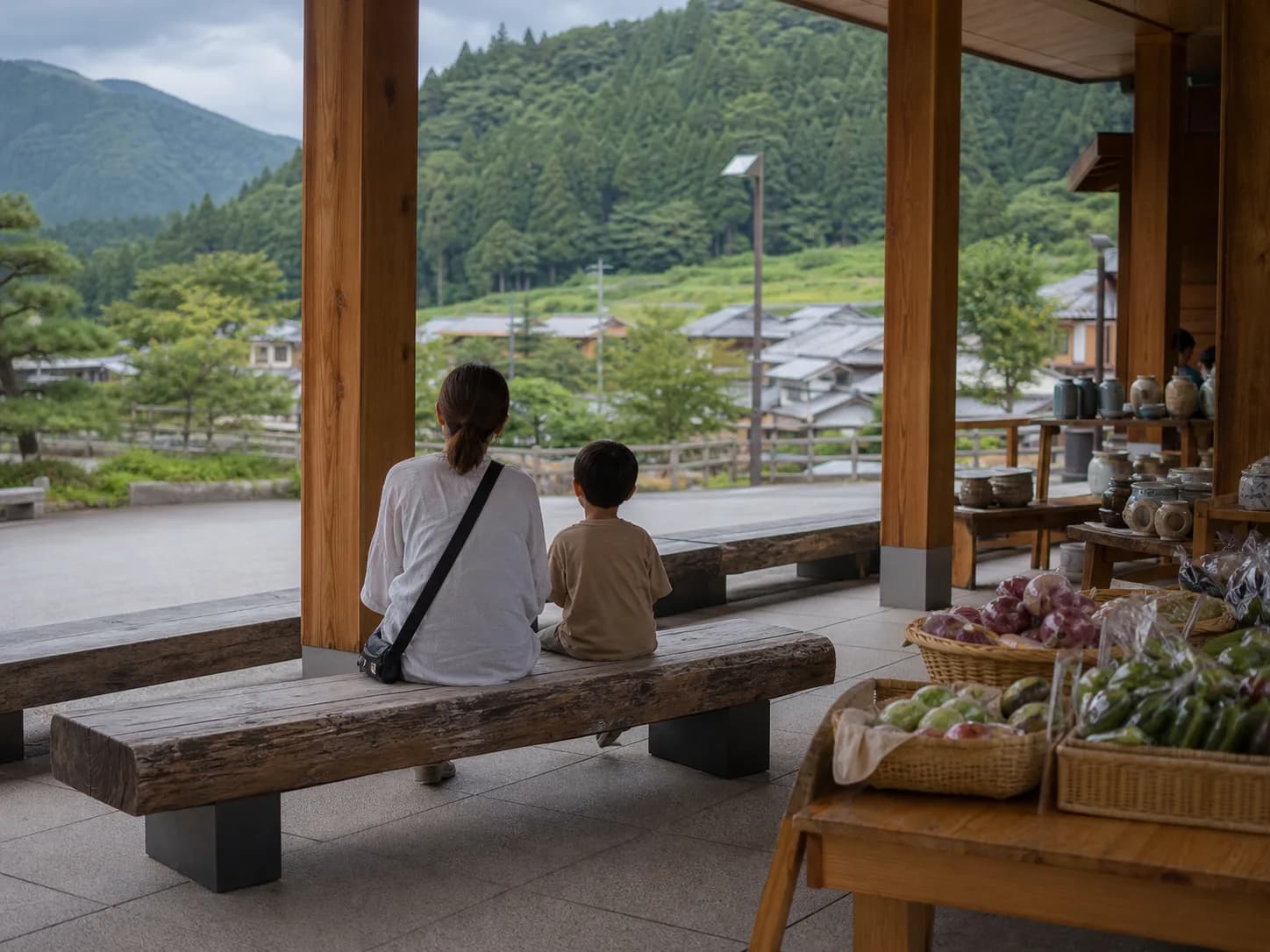
Illustrative image — not an on-site photograph

Fukuoka Prefecture · Kyushu

Michi-no-Eki Koishiwara

道の駅 小石原

Choose Koishiwara pottery and take home terraced-field rice and mountain produce from this roadside station in a pottery village.

Illustrative image — not an on-site photograph

Location
Toho Village, Asakura District
Road
National Route 211
Hours
Local products hall and To no Satokan: April–October 9:00–17:30; November–March 9:00–17:00
These are the main guide hours from the national road authority and Toho Village tourism. Some tourism listings say 18:00, so check the latest information before visiting.
Parking
Approximately 36–48 standard vehicles / 3 large vehicles
My stamp

Record this station in your journal

Records are saved in this browser. Visited stations receive a stamp and count towards your nationwide progress.

Nationwide progress
— / 1,238 stations
How to enjoy

Choose how to enjoy your visit

Eat, shop, play, take in the view or rest. Choose from the station’s strengths to suit your day.

See first
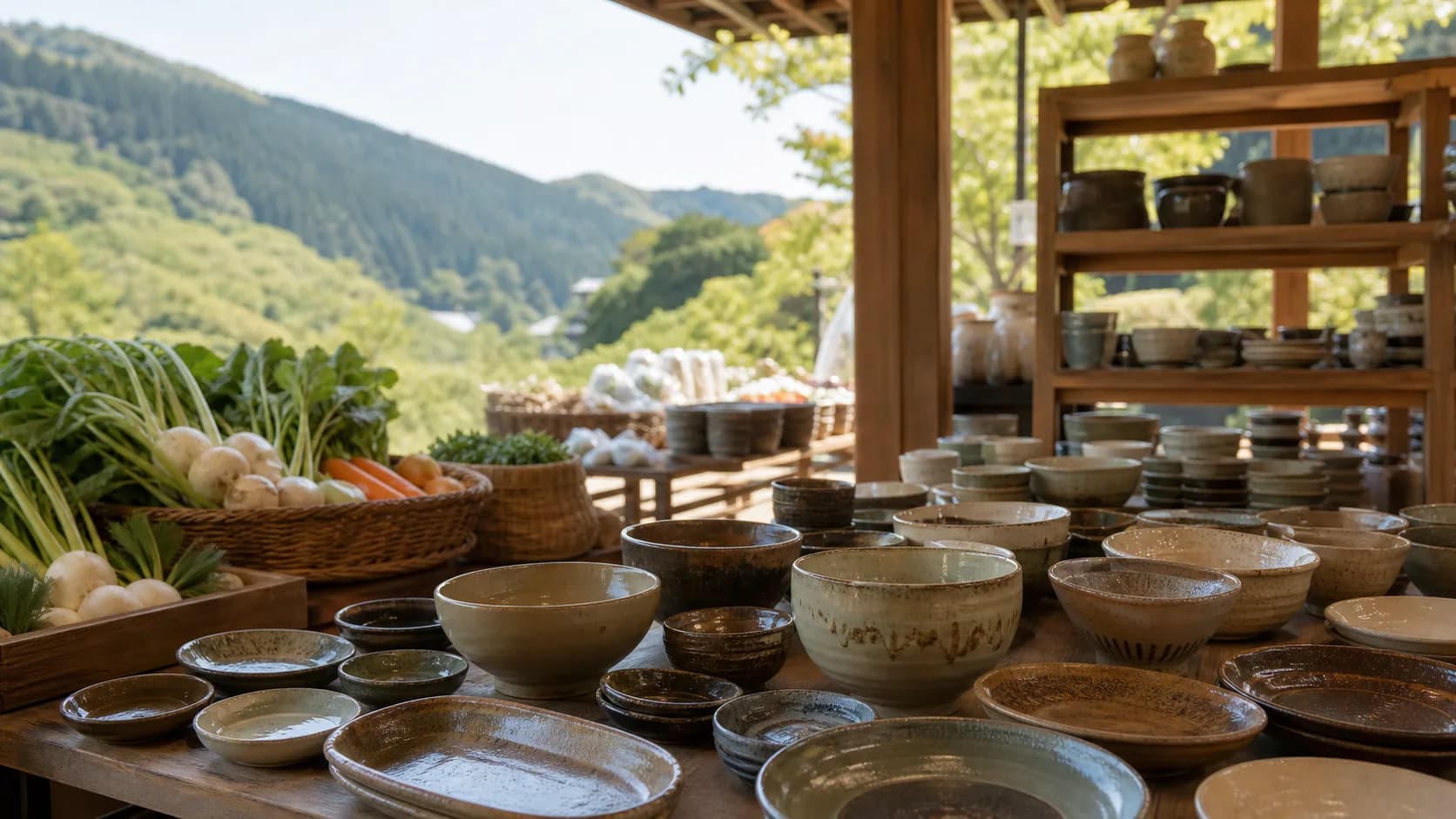
Pottery shelves at To no Satokan

See Koishiwara and Takatori ware together and narrow down the workshops and techniques you like before walking among nearby kilns.

If shopping
Pottery, terraced-field rice, and yuzu kosho

Plan where to put fragile pottery and heavy rice in the car. On hot days, consider cooling and the time until you get home.

If eating
Restaurant Kodachi

Check how its Friday closure applies and its seasonal hours. If it is full or outside service hours, choose a snack or souvenirs instead.

If resting
Restrooms and information corner

When driving the mountain section of National Route 211, use this stop to check roads, weather, and where to take your next break.

If exploring
Traditional Industry Hall or Sarayama

After seeing the pottery here, explore the exhibitions or walk among the kilns. Tanada Shinsui Park is another summer option for families.

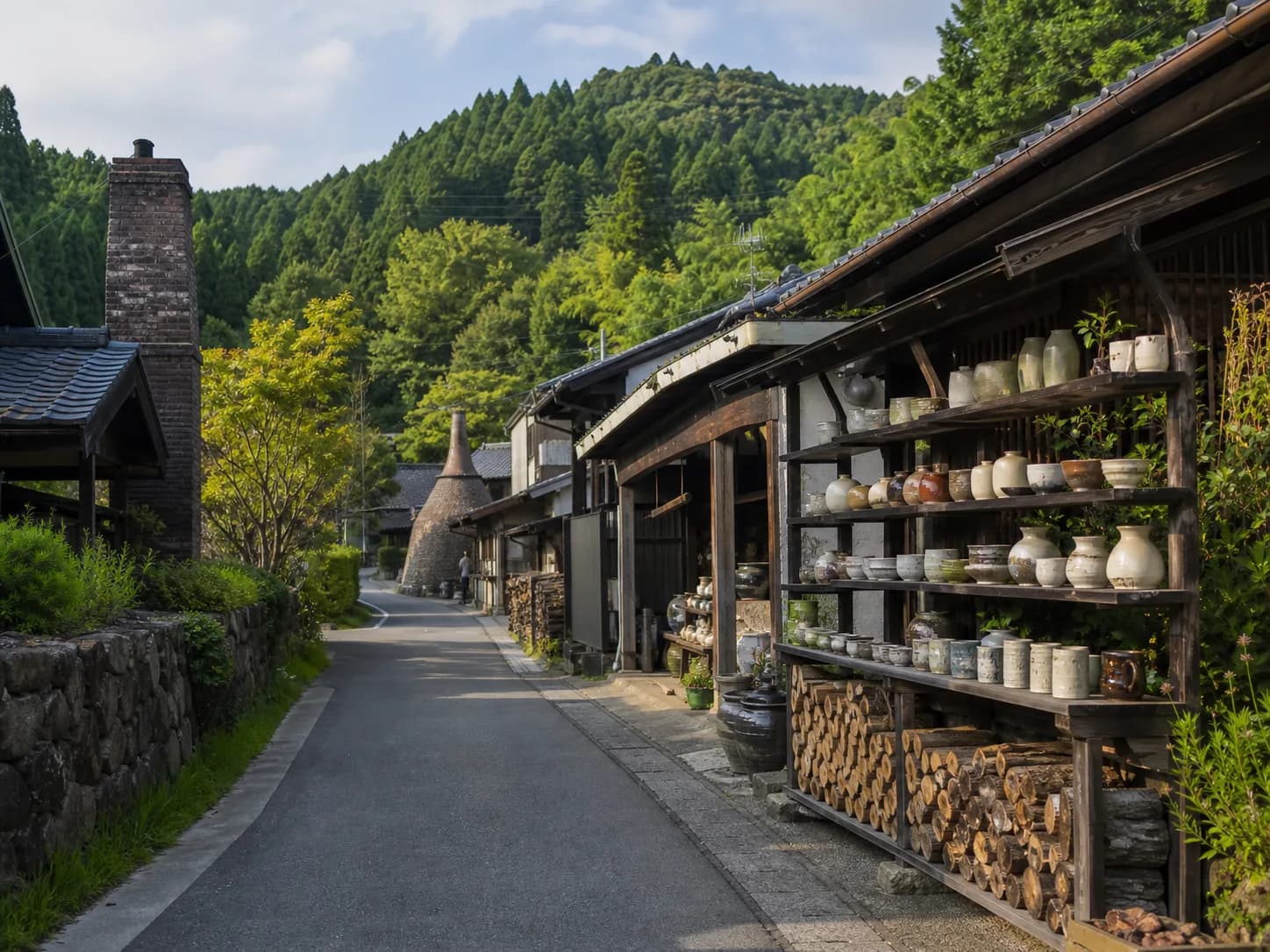
Illustrative image — not an on-site photograph
Toru's rest-stop notes

Choosing just one piece of pottery can make a mountain trip linger a little longer.

Toru Kuzumi sees this station as a place to get ready before entering the pottery village, as well as a local products hall. First consider parking, restrooms, and opening hours; then explore pottery, rice, yuzu kosho, and the kiln workshops. Even at a small station, choosing one thing to buy gives the trip a clearer shape.

Highlights

Michi-no-Eki Koishiwara, on National Route 211, is a place to stop for the restroom and shopping and a gateway to this pottery village. Browse Koishiwara and Takatori pottery, terraced-field rice, yuzu kosho (a citrus-and-chili condiment), wild mountain vegetables, and processed foods. At To no Satokan, compare work from around 40 pottery workshops; plan a meal at Restaurant Kodachi or a quick shopping stop. With more time, visit the Koishiwara Ware Traditional Industry Hall or walk among the kilns in Sarayama. These are mountain roads, so allow extra time to assess road and parking conditions in winter, on rainy days, and during the Minto Mura pottery festival.

  • #Koishiwara ware
  • #Takatori ware
  • #To no Satokan pottery hall
  • #Terraced-field rice
  • #Yuzu kosho
  • #National Route 211
Why I like it

Reasons to stop here

01

Start a pottery-workshop visit at To no Satokan

One of the station's clearest strengths is seeing Koishiwara and Takatori pottery together. Compare colors, weight, tobikanna (chattered, repeated carving marks), and hakeme (brushstroke slip decoration) before visiting individual kilns. This makes it easier to discover your preferences on a first visit to Koishiwara.

02

Choose food and shopping that reflect life in the mountains

The produce and goods area may have terraced-field and highland rice, yuzu kosho, yuzu ponzu (citrus-seasoned sauce), shiitake curry, Obachan miso, and takana manju (steamed buns with pickled mustard greens). Even without a full lunch, pairing pottery with shelf-stable condiments and an easy-to-eat sweet makes for a satisfying stop.

03

Take a short break here, or extend it into half a day

After a restroom stop and a look at the information corner, head to the nearby Koishiwara Ware Traditional Industry Hall or Sarayama's pottery workshops. In summer, Tanada Shinsui Park is another option; Iwaya Shrine lies toward Hoshuyama. Use the station on its own, or make a longer outing for pottery, nature, and children's water play.

Route idea

Ways to plan your stop

Spend your time at the station or add somewhere nearby. These ideas help you plan around your companions and the weather.

A short rest and shopping stop

Make To no Satokan the focus: choose pottery and souvenirs in 45 minutes

After parking, use the restroom and look at the pottery in To no Satokan. Decide first whether you want a plate, rice bowl, or small bowl so the many shelves are less overwhelming. Add terraced-field rice or yuzu kosho at the end to bring a taste of Koishiwara home.

Parking → restrooms → To no Satokan → local products area → depart

Find a stable place in the car for fragile purchases. On rainy days, plan how to load them without getting your bags wet.

A half-day drive for adults

Add lunch at Kodachi and a pottery-workshop visit

Browse pottery at the station in the morning, then have a lunch featuring Toho Village vegetables and rice at Kodachi. In the afternoon, visit the Koishiwara Ware Traditional Industry Hall or walk around Sarayama's kilns to learn about techniques and see the village landscape as well as shop.

Station → Restaurant Kodachi → Koishiwara Ware Traditional Industry Hall → Sarayama area

The restaurant is generally closed on Fridays. Workshop hours vary, so check ahead if you have a specific kiln in mind.

Spring and autumn pottery fairs

On Minto Mura festival days, set a shopping goal and start early

The spring and autumn Minto Mura festival gives the whole village a pottery-fair atmosphere. Use the station for information and a break. Decide in advance whether you want plates, serving bowls, or rice bowls to make shopping in the crowds less tiring.

Rest and check information at the station → chosen pottery-workshop area → return to the station if needed

Dates, traffic arrangements, shuttle buses, and parking change each year. Allow extra time on festival days and keep meal plans flexible.

Families with preschool and primary-school children

With children, make a short station stop and choose seasonal activities nearby

The station is better used for short restroom, meal, and shopping stops than for extended play on large equipment. In summer, consider Tanada Shinsui Park; for a learning day, a pottery experience at the Traditional Industry Hall; and for a quiet walk, Iwaya Shrine. Match the outing to the children's ages.

Restrooms and a meal at the station → Traditional Industry Hall, Tanada Shinsui Park, or Iwaya Shrine according to season and weather

The river-fed pool at Tanada Shinsui Park may close because of weather or rising water. For young children, plan changes of clothes, footwear, and warmth for the trip home.

Hours

Opening hours

Local products hall and To no Satokan
April–October 9:00–17:30; November–March 9:00–17:00

These are the main guide hours from the national road authority and Toho Village tourism. Some tourism listings say 18:00, so check the latest information before visiting.

Restaurant Kodachi
April–October 9:00–17:30; November–March 9:00–17:00, as a guide

Listed as closed on Fridays, except national holidays. Check the facility's information for meal-service details.

Local tourism and road information corner
9:00-17:00

Road information and information on nearby roadside stations, among other things.

Year-end closure
December 31–January 2

Follow on-site notices for temporary closures or weather-related changes.

Parking
Approximately 36–48 standard vehicles; about 3 large vehicles

Published vehicle counts differ. On Minto Mura festival days, check nearby parking and traffic guidance.

Family

Visiting with children

Illustrative image — not an on-site photograph

Stars show the editorial recommendation for each age group on a five-point scale. Read the reasons alongside each rating.

Age 1 and under
★★★☆☆

Suitable for a restroom break and brief shopping; avoid pushing for a long stay.

Among the many pottery shelves indoors, consider stroller width or carrying your child. Check feeding and diaper-changing facilities on site and, if needed, plan the next rest stop in advance.

Ages 2–3
★★★☆☆

For children keen to touch the pottery, a brief visit with a clear goal is easier.

With many breakable items, it is more practical to choose a few shelves to see at To no Satokan than to wander for a long time. Save outdoor play for another place.

Ages 4–6
★★★★☆

A pottery experience or a summer river pool can make the station stop part of a full day.

Link the stop to the Traditional Industry Hall or Tanada Shinsui Park. Choose pottery viewing for rainy days and consider water play on hot days.

Primary-school children
★★★★☆

Explore Koishiwara pottery techniques, workshop walks, terraced fields, and Iwaya Shrine.

Comparing why you choose a piece and the tobikanna carved patterns makes a learning activity. Bring walking shoes, water in summer, and layers for the mountain cold in winter.

Event

Make an event part of your visit

Permanent spaces and dated events are listed separately. Events can change both the atmosphere and crowds; use the official links for details.

Checking event dates.

Spaces used for events

Spring Minto Mura pottery festival

The 2026 spring festival was announced for May 3 (Sunday, national holiday) through May 5 (Tuesday, national holiday). Workshop hours differ, and traffic and shuttle-bus arrangements change by year. Allow extra time if pottery shopping is your aim.

Autumn Minto Mura pottery festival

This pottery fair is also held in autumn. Check the official Minto Mura festival site and Toho Village tourism information for the latest dates, traffic restrictions, parking, and shuttle buses.

River pool at Tanada Shinsui Park

For 2026, the announced river-pool season was July 18 (Saturday) through August 31 (Monday), with planned hours of 10:00–16:00 and Thursday closures. As it uses river water, rising water or weather can change the schedule or close the pool.

The Path of Light at Iwaya Shrine

This seasonal sight draws attention for a short time around sunset in mid-February and late October each year. Check sunset time, weather, and parking capacity, and avoid an overly tight itinerary.

Local feel

Reasons to return

Practical ideas and things to consider when spending time here.

Choosing pottery also prepares you for a kiln-workshop visit

Toho Village tourism says To no Satokan displays work from around 40 pottery workshops. On a first visit, looking at shapes and glaze preferences at the station before heading to individual kilns can make even a short visit easier to navigate.

Opening-hour listings differ, so check the latest notice when planning lunch

The national road authority and Toho Village tourism list 9:00–17:30 from April through October and 9:00–17:00 from November through March. Some other tourism listings still say 18:00. If you are coming to eat or shop, rely on the latest notice from the facility when planning your visit.

Rice and mountain-area foods are the food highlights

Tourism information features yuzu kosho, yuzu ponzu, shiitake curry, Obachan miso, takana manju, and terraced-field and highland rice. Choosing items to use at home may be more rewarding here than planning around an elaborate meal.

With children, give the station and nearby places different roles

Pottery and shopping are the focus at the station, where many items are fragile. For a longer outing, consider Tanada Shinsui Park in summer, the Traditional Industry Hall for learning, or Iwaya Shrine for a nature walk, according to the children's ages.

The Minto Mura festival makes the station useful but brings crowds

The spring 2026 Minto Mura festival was announced for May 3–5, when pottery enthusiasts visit the village. The station can be a base for breaks and information, but allow for parking and meals to differ from an ordinary day.

Before your visit

Things to check before setting out

Opening and closure days, individual businesses and facilities for children or dogs can affect your plans.

  • As a guide, hours are 9:00–17:30 from April through October and 9:00–17:00 from November through March. Check the latest notice if you are visiting for a meal.
  • The usual year-end closure is December 31 through January 2. Restaurant Kodachi is listed as closed on Fridays, except when Friday is a national holiday.
  • When buying pottery, plan a place for fragile items in the car, loading in the rain, and bumps on the drive home.
  • On Minto Mura festival days, allow extra room in plans for parking and meals and choose one type of pottery you want to buy.
  • The river pool at Tanada Shinsui Park may close because of weather or rising water. Check its opening status before heading there.
  • Winter and rainy weather change conditions on National Route 211's mountain roads. Head toward your next destination before dark when possible.
Food

Eating and shopping

Specialities, places to eat, sweets and bakeries can all give you a reason to stop. Check individual menus for current prices and availability.

  • Meal
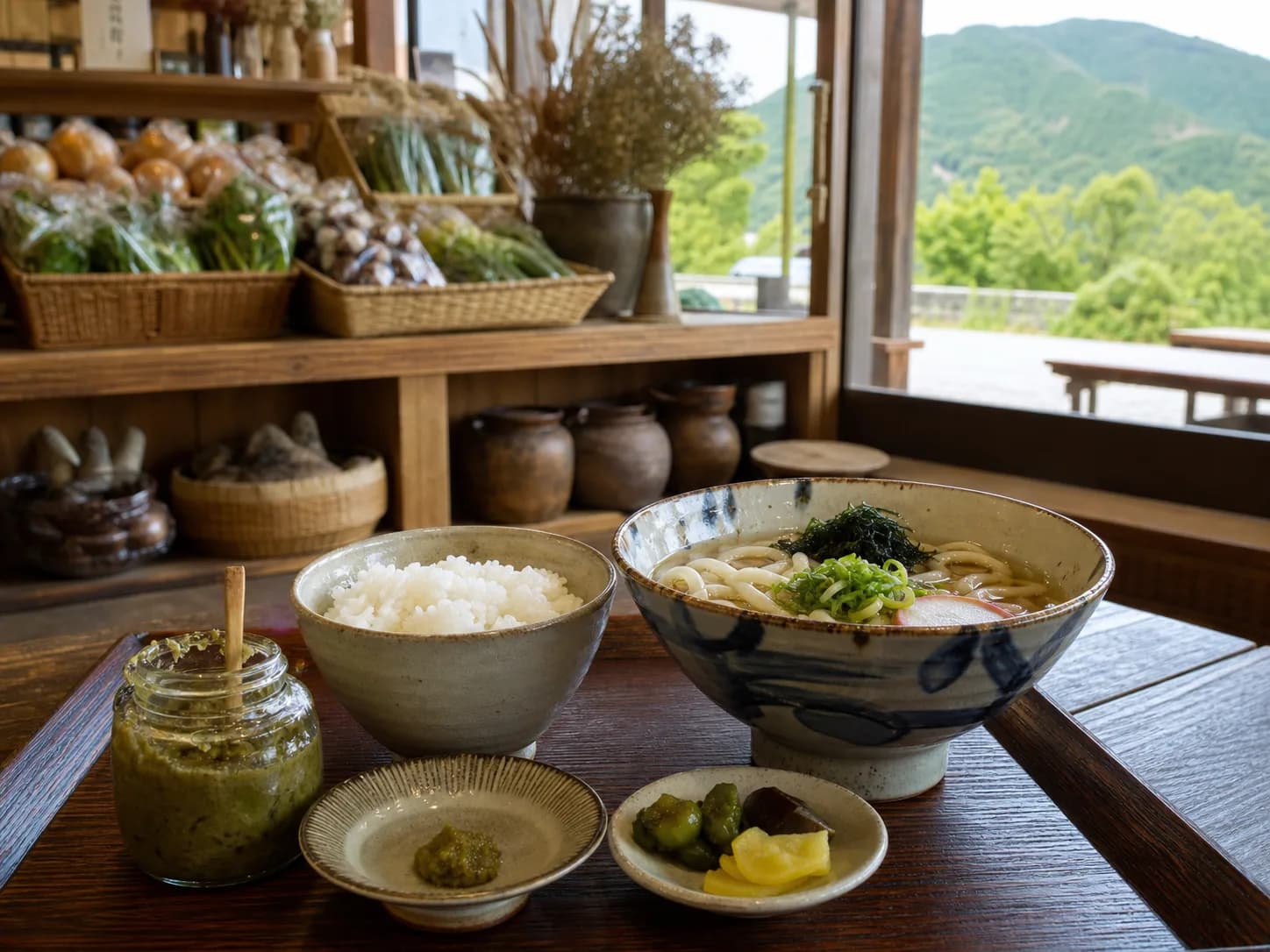
    Restaurant Kodachi's chicken tempura and udon set meal
    Check meal service hours and the Friday closure on the day
  • Shopping
    Terraced-field and highland rice
    Choose with the weight and space in your car for the return trip in mind
  • Souvenirs
    Yuzu kosho and yuzu ponzu
    Compact, easy-to-carry condiments characteristic of Toho Village
  • Processed foods
    Obachan miso and shiitake curry
    Mountain-area foods that are easy to use at home
  • Snack
    Takana manju
    Good for a car break or a short stop
Food mood

What would you like to eat?

A meal, a sweet treat, market shopping or something to take away: choose a focus for the day instead of trying everything at once.

Illustrative image — not an on-site photograph
A full lunch

Restaurant Kodachi

A meal option using Toho Village vegetables and rice. If lunch is the main purpose of your visit, check Friday closures and any changes in hours first.

For the car or home

Takana manju, shiitake curry, and Obachan miso

Even without a restaurant meal, choose something light to eat and processed foods for home. Ease of eating matters on the mountain-road drive back.

Toho Village souvenirs

Yuzu kosho, yuzu ponzu, and terraced-field or highland rice

Choose between compact condiments and heavier, satisfying rice. In summer, consider storage and when you will get home.

Pair with pottery

Small bowls, rice bowls, and plates with local rice and miso

Imagine how you will use the pottery and food together at home to make choosing easier.

Festival days

Snacks and drinks between pottery-workshop visits

The Minto Mura festival can be crowded. Take breaks at the station or nearby and leave room to shift your meal time.

Share

Send your travel companions a possible stop.

Send a correction

Let us know if information on this page, such as hours or closing days, is incorrect. Our editors will review your message before updating the guide.

We use your submission only to review and improve our content and to reply about your message.