Skip to content
Michi-no-Eki JournalMap
Illustrative image — not an on-site photograph

Wakayama · Kinki

Michi-no-Eki Taki-no-Hai Taro

道の駅 瀧之拝太郎

A small weekend roadside station just a short walk from the sound of Taki-no-Hai's falls.

Illustrative image — not an on-site photograph

Location
Kozagawa Town, Higashimuro District
Road
Wakayama Prefectural Route 43, Nachikatsuura–Kozagawa Line
Hours
11:00–16:00
The local goods corner is generally open only on weekends and public holidays, around 11:00–16:00. Weekday information corner hours differ across published listings: 8:30–17:15 or 10:00–17:00; weekend and public holiday hours are listed as 11:00–16:00.
Parking
Cars: 33 / Large vehicles: 5
My stamp

Record this station in your journal

Records are saved in this browser. Visited stations receive a stamp and count towards your nationwide progress.

Nationwide progress
— / 1,238 stations
How to enjoy

Choose how to enjoy your visit

Eat, shop, play, take in the view or rest. Choose from the station’s strengths to suit your day.

First, take a break
Parking, toilets and outdoor shelter

A brief pause here helps on a drive along the mountain prefectural road.

Then, take a walk
Taki-no-Hai is a short walk away

See the potholes in the bedrock and listen to the water from the bridge or firm footing.

For shopping
Note (ノテ) on weekends and public holidays

Look for yuzu products, local vegetables, goods and crafts; opening days and stock vary.

For a meal
Kikorito Megane no Mise note (木こりとめがねの店note)

It is a few minutes' walk from the station. Check social media for opening days and the menu.

To finish the outing
Botanso hot spring

After the falls, drive back along the Kozagawa for a hot spring bath.

Fumino Chitose's rest-stop notes

Let the sound of the water and the footing shape your plans, rather than the shop alone.

Shopping on an opening day is enjoyable, but the station's reliable foundations are its parking, toilets, outdoor shelter and the short walk to Taki-no-Hai. Browse yuzu products and other goods if the shop is open, and visit nearby note if mealtime works out. Otherwise, see the falls and continue to the hot spring or Ichimai-iwa. A relaxed schedule suits this small mountain station.

1

Weekdays

Focus on the information corner, a rest and a walk to Taki-no-Hai. Have another option for eating and shopping.

2

Weekends and public holidays

Aim for 11:00–16:00 to combine the local goods corner with the nearby café; check current hours first.

3

After rain

The water can be impressive, but watch from a safe place rather than approaching the rocks.

Highlights

Michi-no-Eki Taki-no-Hai Taro is a small roadside station beside Taki-no-Hai, a striking rock formation on the Ogawa River, a tributary of the Kozagawa. The local goods corner mainly opens around midday on weekends and public holidays. Stop for the toilets and parking, listen to the water from the outdoor shelter, then walk a short distance to Taki-no-Hai. If the shops are open, Kozagawa yuzu products and crafts, plus curry or coffee at nearby note, make for a rewarding detour through the mountains.

  • #Taki-no-Hai
  • #Kozagawa
  • #Potholes in river rock
  • #Yuzu products
  • #Weekend opening
  • #Mountain rest stop
Why I like it

Reasons to stop here

01

The main attraction is Taki-no-Hai, a short walk away

Taki-no-Hai has a series of round potholes carved into the riverbed rock. It is a Wakayama Prefecture Designated Natural Monument and a highlight of the Nanki Kumano Geopark. Park, use the toilet, and walk toward the sound of the water to see why this small station is worth a stop.

02

A small local goods shop for a weekend midday visit

The station shop, Note (ノテ), generally opens 11:00–16:00 on Saturdays, Sundays and public holidays, selling Kozagawa specialties, local vegetables, yuzu products, crafts and other goods. On weekdays, plan around the information corner and rest facilities. Check current social media notices before relying on shopping or a meal.

03

Toilets, parking and an outdoor shelter help on a mountain drive

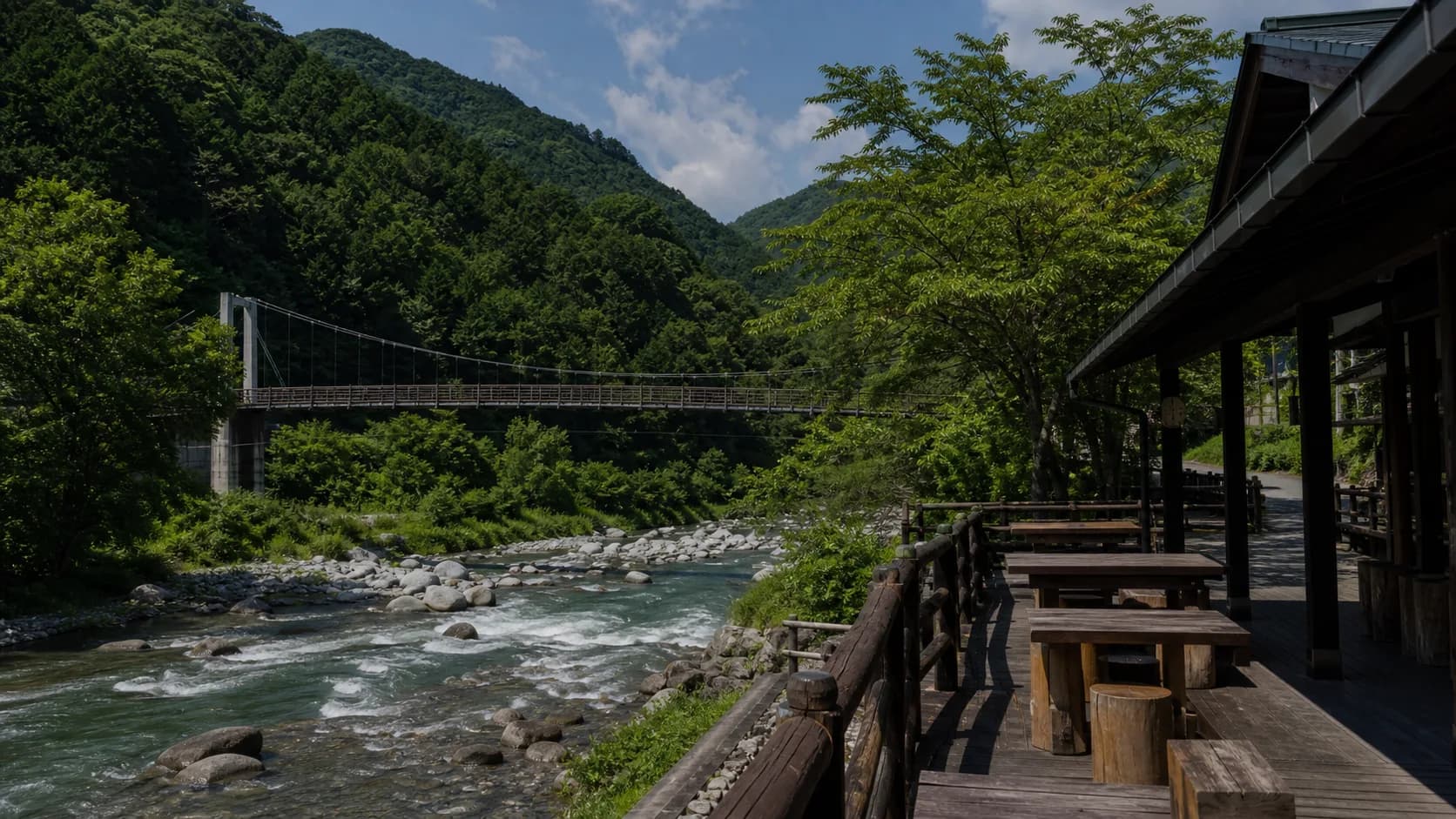
Parking, toilets, a public telephone and the outdoor shelter are available 24 hours a day. On mountain Route 43, the station is a useful rest stop en route to Taki-no-Hai from Koza Station or the Susami-Minami Interchange, even when the shop is closed.

04

The riverside changes with the seasons

From mid-June, look for the traditional ton-ton method of catching ayu (sweetfish); around July, gobies may climb the falls. Summer brings the appeal of the river, while rain changes the water level. When the river rises or rocks are slippery, enjoy the scene from the bridge or another safe place.

Route idea

Ways to plan your stop

Spend your time at the station or add somewhere nearby. These ideas help you plan around your companions and the weather.

A short break toward Kozagawa or Kushimoto

Make Taki-no-Hai the focus of a 30-minute stop

Park and use the toilet before walking to Taki-no-Hai. When the river is calm, look at the holes in the bedrock. After rain or when the water is rising, listen from the bridge or another safe place. This stop still works well when the shop is closed.

Parking → toilets → Taki-no-Hai → break at the outdoor shelter

Wet rocks can be slippery; keep your distance when the water rises.

A day with a little time to eat and shop

Add shopping and a café at weekend lunchtime

Around midday on weekends or public holidays, browse the local goods corner for Kozagawa yuzu products and other goods, then walk a few minutes to Kikorito Megane no Mise note. Its spice curry, coffee and handmade sweets depend on changing opening notices. Treat a meal as an addition to a walk and shopping, and check social media first.

Taki-no-Hai → station shop Note (ノテ) → Kikorito Megane no Mise note

Opening days, seats and menu vary. If lunch is essential, go early or have another option.

An adult drive on a fine day

Link Kozagawa's nature sights in half a day

After a short walk at Taki-no-Hai, drive toward Nakatsudani Falls or Ichimai-iwa for more of Kozagawa's rock, water and forest scenery. Some paths are rougher than those at developed sightseeing sites, so choose suitable shoes and weather.

Roadside station → Taki-no-Hai → Nakatsudani Falls or Ichimai-iwa → Botanso

Watch your footing between the parking area and Nakatsudani Falls. Rain can make the waterfall more dramatic, but avoid getting too close.

Families with elementary school children and nature enthusiasts

Keep riverside nature watching short with children

There are clear things to look for: potholes, traditional ayu fishing and fish climbing the falls in early summer. The setting is mainly water and rocks, so with preschool children a toilet stop, a view from the bridge and a break at the shelter may be easier than a long stay.

Toilets → view Taki-no-Hai from the bridge → outdoor shelter → shop if open

The rocky waterside is unsuitable for taking a stroller down to the river. Carry or hold young children by the hand, and stay off wet rocks.

Hours

Opening hours

Local goods corner
11:00-16:00

Generally weekends and public holidays only. The current Kinki Regional Development Bureau and Wakayama Prefecture tourism listings both show 11:00–16:00; check the latest shop notice before traveling.

Information corner
Weekdays: listings differ between 8:30–17:15 and 10:00–17:00 / weekends and public holidays 11:00–16:00

The Kinki Regional Development Bureau currently lists weekday hours of 8:30–17:15; another tourism listing gives 10:00–17:00. Check locally if you need the information corner early or late in the day.

Toilets, parking and outdoor shelter
24 hours

Available for a break outside shop hours.

Roadside station commemorative ticket
Weekdays 8:30–17:15 / weekends and public holidays 11:00–16:00

Tickets are generally sold at the adjacent Ogawa branch office on weekdays and at the local goods corner on weekends and public holidays. The current Kinki Regional Development Bureau listing gives a 16:00 weekend close; check before making a special trip.

Family

Visiting with children

Stars show the editorial recommendation for each age group on a five-point scale. Read the reasons alongside each rating.

Ages 1 and under
★★☆☆☆

A toilet break is possible, but a walk by the water is best left out as the main aim.

Most of the visit is outdoors, and Taki-no-Hai has rocks close to the water. A short stop and time to settle children in the car may be easier.

Ages 2–3
★★☆☆☆

A view from the bridge may work; keep well back from the rocks.

Hold hands, look briefly, then return to the shelter or car. Avoid pushing on after rain or when the water rises.

Ages 4–6
★★★☆☆

Enjoy the sound of the water and the holes in the rock as a nature study.

This is a place to look, rather than a playground for running. Grippy shoes and spare clothes can help.

Elementary school age
★★★★☆

Potholes, ayu sweetfish, climbing fish and local folklore make good talking points.

The Taki-no-Hai Taro folktale and the geopark's landforms can make even a short walk educational.

Toilets

A multipurpose toilet is available. This is a useful stop before or after the mountain road.

Stroller

Plan to carry young children or hold their hands for a walk by the water at Taki-no-Hai.

Rainy day

When the river rises, stay back and watch from the bridge or another safe place.

Hot day

There can still be sun and humidity beside the water. Bring drinks before you set out.

Event

Make an event part of your visit

Permanent spaces and dated events are listed separately. Events can change both the atmosphere and crowds; use the official links for details.

Checking event dates.

Spaces used for events

Traditional ton-ton ayu fishing

From mid-June, the traditional ton-ton method of catching ayu (sweetfish) begins at Taki-no-Hai, making use of its unusual rock formations. This is a seasonal scene to watch, rather than fishing open to visitors.

Gobies climbing the falls

Around July each year, conditions of water level and humidity may allow visitors to see bouzuhaze and yoshinobori gobies climbing the rock face. It is a natural event, so treat a sighting as a bonus.

Lanterns and summer events near Taki-no-Hai

Lantern events have been held around Taki-no-Hai in past years. Check the tourism association and Note's social media for whether an event is happening this year, evening hours and parking arrangements.

Kozagawa Town live camera

The town's live cameras include Taki-no-Hai. They are unavailable at night, but can help you gauge the water level and weather before departure.

Local feel

Reasons to return

Practical ideas and things to consider when spending time here.

Use it as a rest stop for Taki-no-Hai rather than expecting a large roadside station

Official and tourism association guides emphasize Taki-no-Hai, the information corner, shelter, parking and toilets more than the shop. Reviews also often call the station small and focused on weekends. The nearby scenic site is the strongest reason to stop.

Check current hours where published listings differ

The current Kinki Regional Development Bureau and Wakayama tourism site list the local goods corner as 11:00–16:00 on weekends and public holidays. A regional roadside station portal still says the shop is closed, while weekday information corner hours also differ between listings. Since the 2025 reopening, shop updates have been announced on Instagram and Google Maps; check the latest notice when eating or shopping matters.

Browse for small Kozagawa finds rather than a vast selection

Visitor accounts mention yuzu drinks, yuzu karinto, pickled plums, local vegetables, pottery and other goods. This small shop suits finding one item on an opening day more than a long shopping trip at a large produce market.

Summer and rain change both the appeal and the risks at Taki-no-Hai

The tourism association describes traditional ton-ton ayu fishing and bouzuhaze and yoshinobori gobies climbing the falls around July. Rain can also make Nakatsudani Falls more dramatic, while wet rocks and rising water add danger. Match the viewpoint to conditions.

Rest facilities and mobile coverage information help on the mountain route

The tourism association lists about 30 minutes by car from Koza Station, while the Kinki Regional Development Bureau lists about 40 minutes. Parking, public toilets available all day and coverage by three major mobile networks are listed. Allow time for the mountain road and a rest on arrival.

Include nearby note when planning a meal

Food facilities at the roadside station itself are limited, while Kikorito Megane no Mise note, a few minutes away on foot, is known for spice curry and sweets. Its opening days can change, so make Taki-no-Hai the main plan and add a meal if it is open.

Movie

Preview the place on video

Official videos show the market and nearby park before you visit. Audio and captions are in Japanese.

If the video does not load, watch it on YouTube

Travel through Kozagawa, Wakayama in 360° VR

A 360-degree tourism video from the association showing Ichimai-iwa, Taki-no-Hai and Kozagawa's natural scenery before you travel.

Before your visit

Things to check before setting out

Opening and closure days, individual businesses and facilities for children or dogs can affect your plans.

  • If you want to shop, aim for 11:00–16:00 on weekends or public holidays and check the latest Instagram notice.
  • On weekdays or outside shop hours, use the parking, toilets and shelter for a walk to Taki-no-Hai.
  • The rocks at Taki-no-Hai become slippery when wet, so choose suitable shoes if you plan to walk.
  • After rain or a typhoon, check the live camera and weather for rising water, and keep a safe distance.
  • For other Kozagawa sights, allow extra time for narrow roads and weather, not just the distance shown on a map.
  • The three main mobile networks are listed as covering the area, but it is helpful to load your navigation route before entering the mountains.
Food

Eating and shopping

Specialities, places to eat, sweets and bakeries can all give you a reason to stop. Check individual menus for current prices and availability.

  • Drink
    Yukachan (柚香ちゃん)
    A yuzu citrus drink sometimes sold at the local goods corner on opening days
  • Sweets
    Yuzu karinto (柚子かりんとう)
    A take-home sweet from Kozagawa; karinto is a crisp fried snack
  • Shopping
    Kozagawa vegetables and local products
    Stock varies by opening day and season
  • Nearby dining
    Spice curry at Kikorito Megane no Mise note
    Check its social media for current opening days
Food mood

What would you like to eat?

A meal, a sweet treat, market shopping or something to take away: choose a focus for the day instead of trying everything at once.

Illustrative image — not an on-site photograph
Buy on an opening day

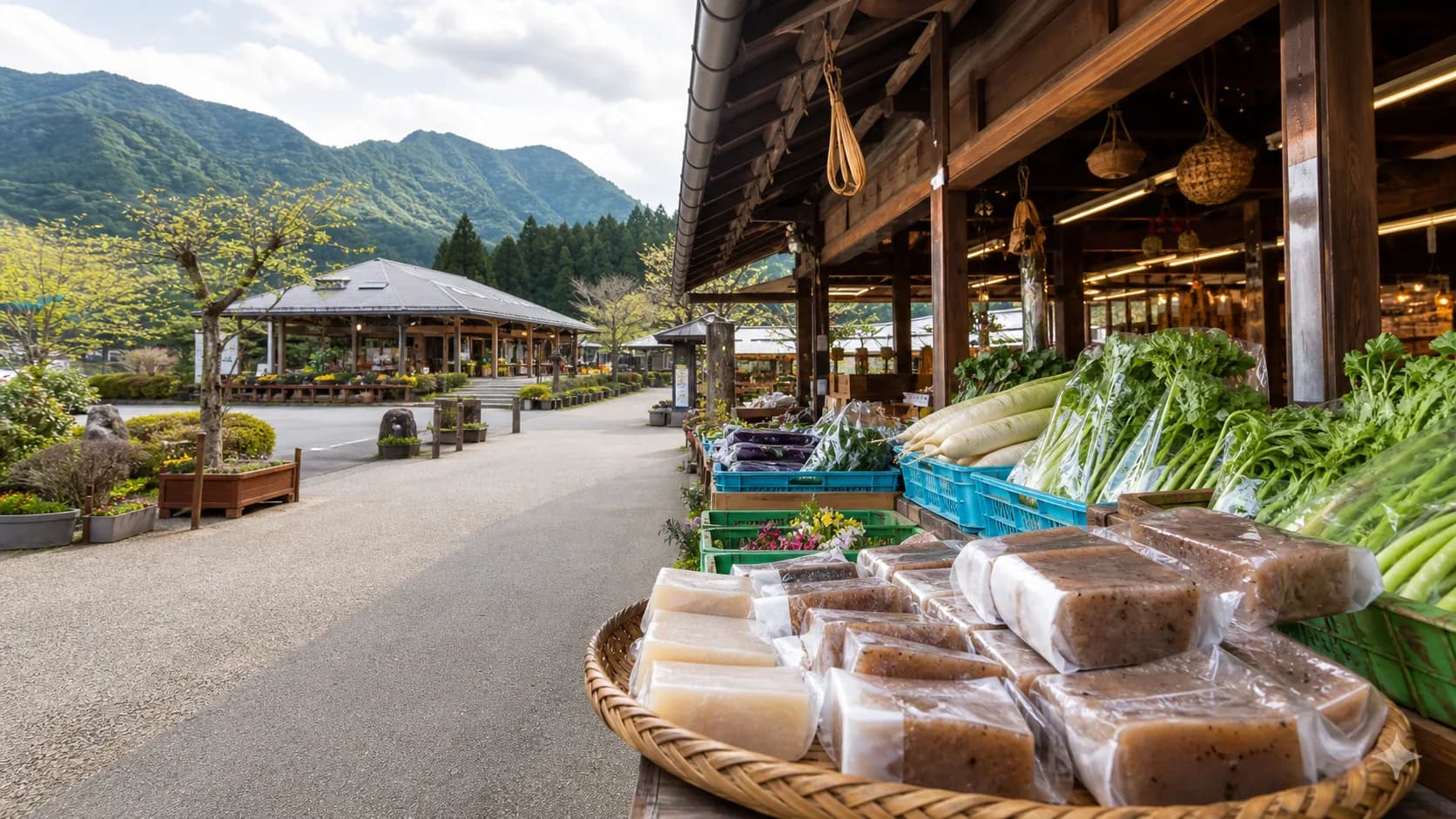
Yukachan yuzu drink, yuzu karinto, pickled plums and local vegetables

Choose snacks for the car or gifts to take home.

This is a small shop; selection and deliveries vary by day.

Browse other goods

Crafts, seasonal goods, dog supplies and camping supplies

Note (ノテ) feels like a small general store, so even a quick browse can be memorable.

It is better suited to picking something you happen upon than shopping for a specific necessity.

Lunch nearby

Curry, coffee and sweets at Kikorito Megane no Mise note

Pair it with a walk at Taki-no-Hai for a leisurely midday stop in the mountains.

Check Instagram for current opening days.

Weekdays and outside shop hours

Rest stop, toilets and a walk to Taki-no-Hai

Use the station as a base for the scenic site rather than counting on food or shopping.

Bring drinks and a small snack in advance.

Add a hot spring

Day-use bathing at Botanso

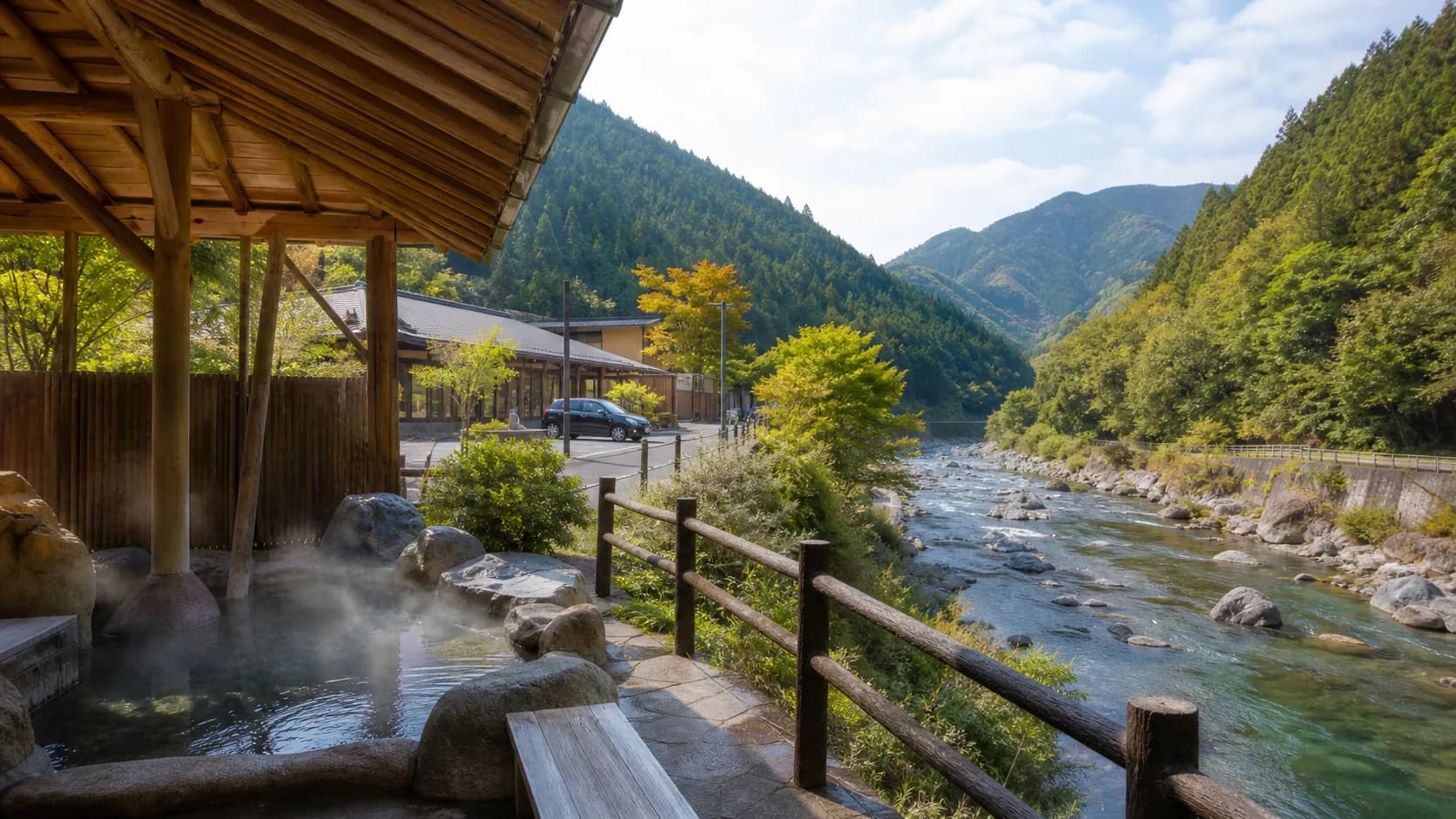
After walking by the falls and river, finish a half-day outing with a bath along the Kozagawa. An onsen is a Japanese hot spring bath.

Check the official opening hours and closure days before going.

Share

Send your travel companions a possible stop.

Send a correction

Let us know if information on this page, such as hours or closing days, is incorrect. Our editors will review your message before updating the guide.

We use your submission only to review and improve our content and to reply about your message.