Skip to content
Michi-no-Eki JournalMap
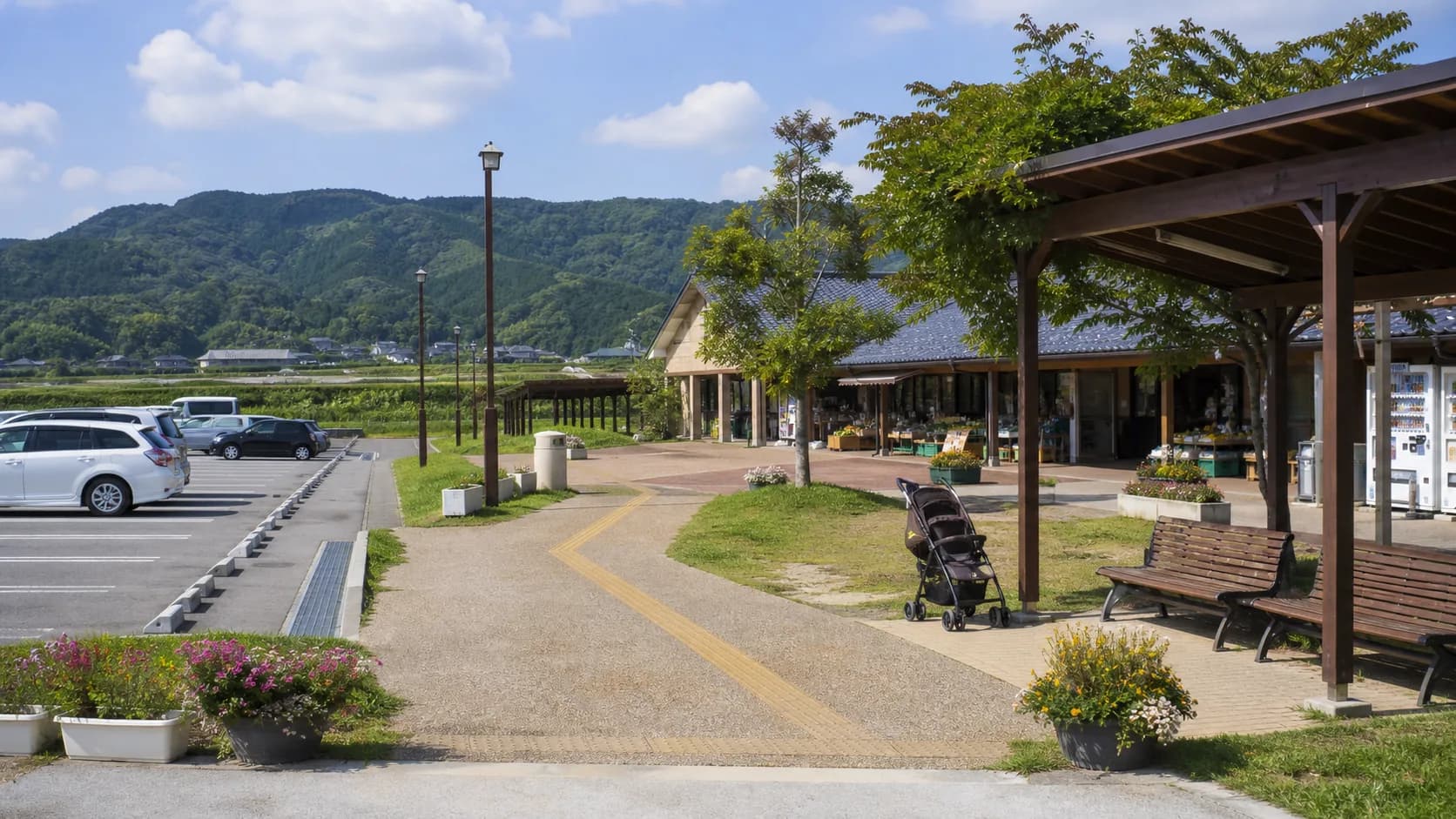
Illustrative image — not an on-site photograph

Hyogo Prefecture · Kinki

Michi-no-Eki Ogo

道の駅 淡河

A small roadside station in the countryside along the Miki–Sanda Line, worth a stop for 100% buckwheat soba and Ogo vegetables.

Illustrative image — not an on-site photograph

Location
Kita Ward, Kobe City
Road
Hyogo Prefectural Route 38, Miki–Sanda Line
Hours
06:00–17:00
Hours vary by facility. The restaurant opens 6:00–10:00 and 10:30–17:00; the farm produce shop opens 10:00–17:00 (Kobe City information updated September 10, 2026). Check official notices for New Year closures and temporary changes.
Parking
Cars: 51 / Large vehicles: 2
My stamp

Record this station in your journal

Records are saved in this browser. Visited stations receive a stamp and count towards your nationwide progress.

Nationwide progress
— / 1,238 stations
How to enjoy

Choose how to enjoy your visit

Eat, shop, play, take in the view or rest. Choose from the station’s strengths to suit your day.

First, on arrival
Park following the one-way traffic flow

Kobe City warns of one-way traffic and pedestrian crossings in the parking area. Take the first turn in and out slowly.

If stopping for lunch
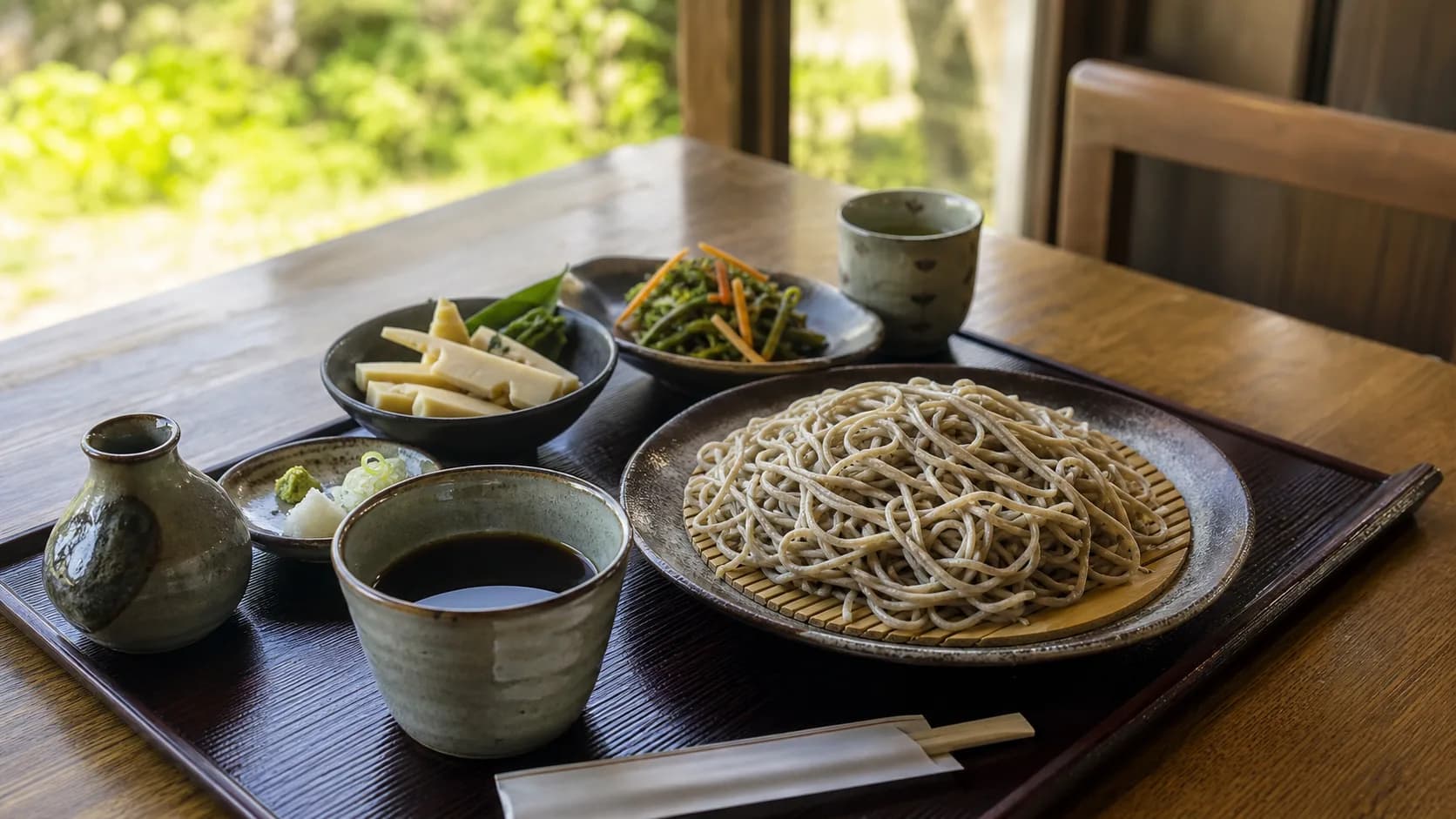
Aim for juwari soba and seasonal side dishes

The restaurant opens 6:00–10:00 and 10:30–17:00; it is closed between 10:00 and 10:30. If eating there is your priority, allow for possible crowds or sold-out dishes later in the day.

If shopping to take home
Ogo vegetables, rice, flowers and bamboo shoots

The shop opens at 10:00. Bamboo shoots and flowers vary by season, so check its official Instagram if you are going mainly to shop.

If taking a short walk
Go to Ogo Castle Ruins or the Ogo-juku Honjin Site

Add a nearby historic site after eating to get a fuller sense of Ogo beyond the station.

With children
Make a short stop for food and toilets

The toilet has a baby changing bed, and the shop and restaurant suit a practical break better than a visit centered on a large playground.

For seasonal sights
Spring bamboo shoots and flowers; winter events including the Oyumi ritual

Plan separately for what the station offers regularly and for events held across town.

Illustrative image — not an on-site photograph
Highlights

Michi-no-Eki Ogo lies north of central Kobe and stands out for its farm shop and restaurant. Browse Ogo vegetables, rice, flowers, bamboo crafts and bamboo charcoal, then make lunch of handmade juwari soba—noodles made with 100% buckwheat flour—and seasonal kobachi side dishes. This is a compact stop rather than a large leisure complex: parking, toilets, the farm shop and restaurant are close together, with Ogo Castle Ruins and the Ogo-juku Honjin Site nearby for short detours.

  • #Hyogo Prefecture
  • #Kita Ward, Kobe
  • #Ogo-cho
  • #Prefectural Route 38
  • #Farm produce shop
  • #100% buckwheat soba
  • #Seasonal side dishes
  • #Bamboo shoots
  • #Rice
  • #Flowers
  • #Ogo-juku post town
  • #Ogo Castle Ruins
  • #24-hour toilets
Why I like it

Reasons to stop here

01

One clear reason to stop for food

The first things to remember about Ogo are its handmade juwari soba, made entirely from buckwheat flour, and seasonal kobachi side dishes. This is a place for a proper lunch built around local buckwheat flour and vegetables, rather than a large food court. It works best as a focused stop for the restaurant and farm shop, rather than a place for everyone in the group to linger.

02

Vegetables, rice, flowers and bamboo give the farm shop a local character

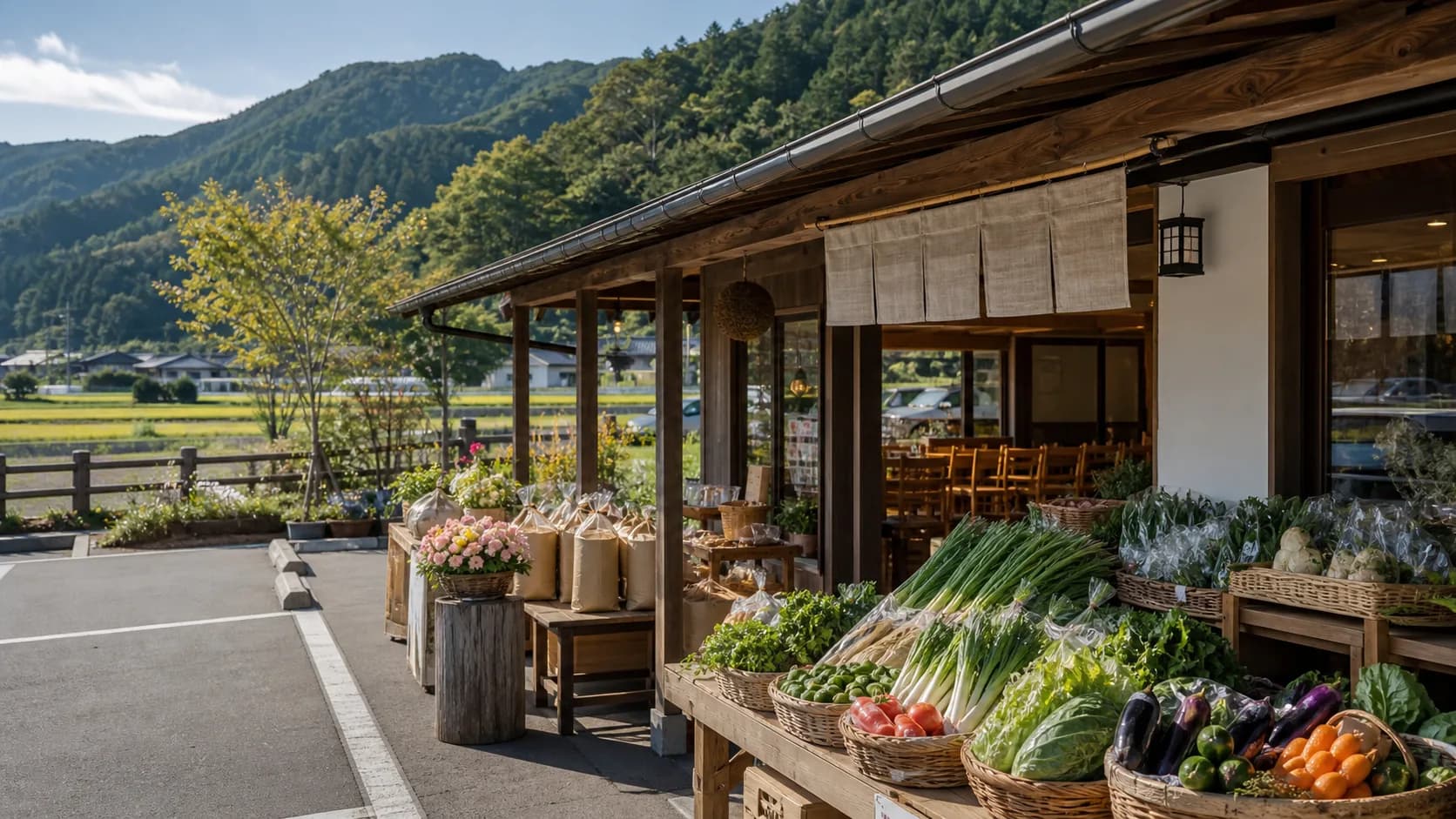
The shop carries Ogo vegetables, bamboo shoots, rice and flowers, alongside bamboo crafts and bamboo charcoal. Buying vegetables for dinner or seasonal flowers feels more fitting here than hunting for a large range of tourist souvenirs. A visit from morning to early afternoon makes it easier to combine lunch and shopping.

03

Its small size makes a rest stop easy to navigate

Parking, toilets, the shop and restaurant are close together, making a break on a long drive straightforward. The parking area is one-way and has pedestrian crossing points, so slow down as soon as you arrive. Think of it as a countryside lunch stop rather than a large entertainment complex.

Route idea

Ways to plan your stop

Spend your time at the station or add somewhere nearby. These ideas help you plan around your companions and the weather.

A drive toward Miki, Sanda or Yokawa around lunchtime

Settle a Route 38 lunch stop with juwari soba

Ogo is not a large station for sampling many dishes. Instead, head for handmade juwari soba made with 100% buckwheat flour and small side dishes using local vegetables and bamboo shoots. Sit down for a proper meal during your drive, browse the vegetables in the farm shop, then continue to your next destination.

About 10 minutes from the Sanyo Expressway Miki IC via Prefectural Route 38, or about 45 minutes from central Kobe via National Route 428.

At lunchtime, allow for the number of seats and the pace of food preparation. If you arrive late, leave room to switch from a meal-focused visit to a farm shop break.

A day to take home vegetables, rice and flowers from northern Kobe

Shopping is more fun when you choose something for dinner

The farm shop carries Ogo vegetables, bamboo shoots, rice, flowers, bamboo crafts and bamboo charcoal. Think of choosing things for today’s table rather than only souvenirs. Spring bamboo shoots and, in flower season, tulips change what takes center stage on the shelves.

Visit the farm shop from morning to early afternoon, pairing shopping with a meal before or after.

Seasonal stock depends on supply. If you have a particular item in mind, check the official Instagram or shop updates before setting out.

History fans, adults wanting a short walk and school-age children

Take a short, careful walk to Ogo Castle Ruins after eating

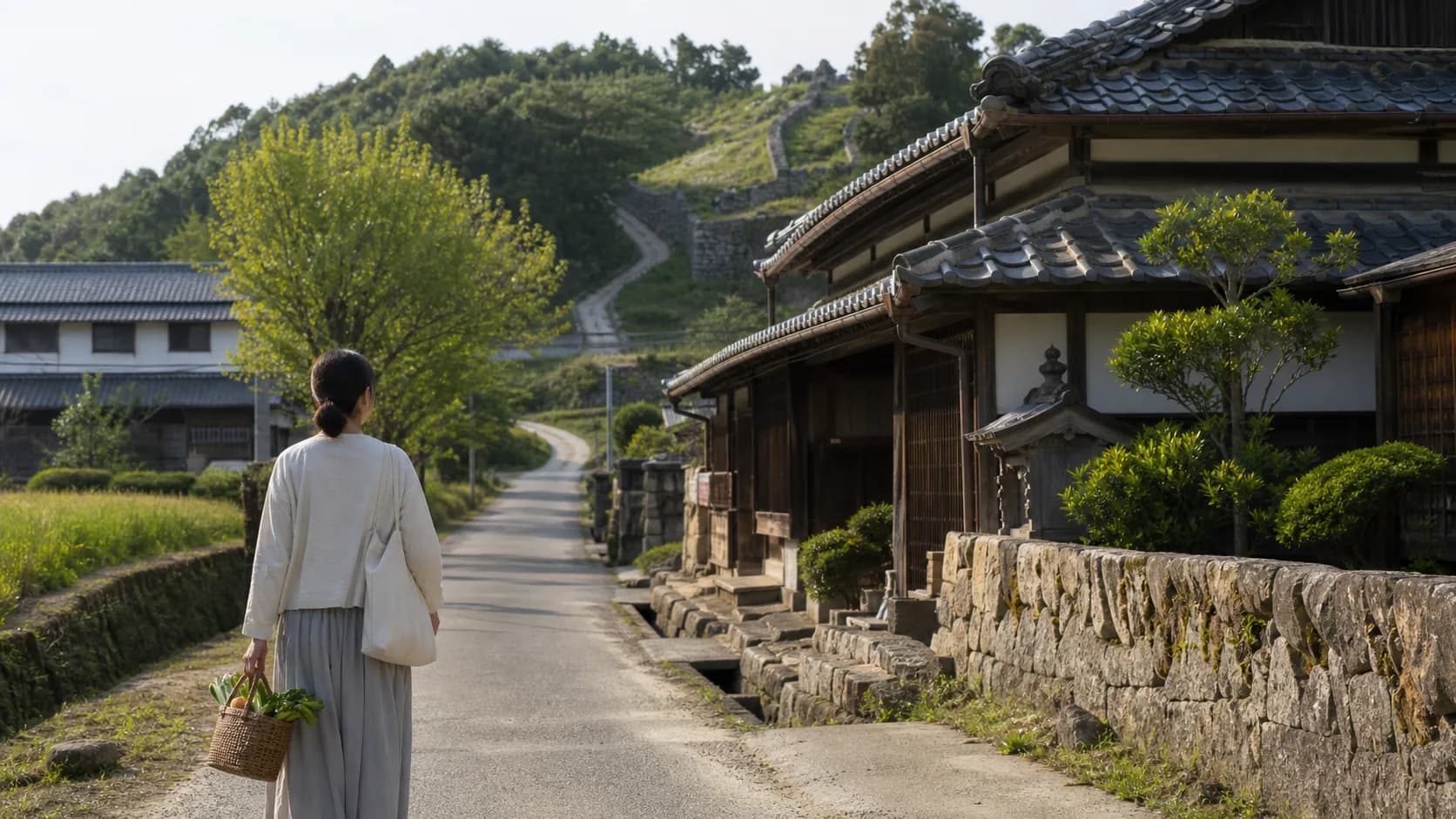
Ogo Castle Ruins are very close to the roadside station. Shirobito describes remains including baileys, a keep platform, earthworks, a horizontal moat and cut slopes; a replica turret visible from the station is another landmark. Even a short walk after lunch reveals Ogo’s history as both a post town and a castle town.

Michi-no-Eki Ogo → Ogo Castle Ruins. Within walking distance, but watch the slope and footing.

In summer, grass and insects may be a concern, and the ground can be tricky after rain. With toddlers or sandals, skip the climb and stay with the Honjin Site or farm shop instead.

For people who enjoy cafes, crafts, old houses and town walks

Add the Ogo-juku Honjin Site for a taste of countryside life

The Ogo-juku Honjin Site recalls the Edo-period post town and serves as a local hub, with cafes, small shops and events. After soba and vegetable shopping at the roadside station, a short visit makes the stop feel more like a glimpse of Ogo itself. A honjin was a lodging place for high-ranking travelers in a post town.

Michi-no-Eki Ogo → Ogo-juku Honjin Site. Walk or make a short transfer.

Shops and events on site vary by day. Check official information for your visit date.

A February visit for the Oyumi ritual or the winter Burutto Ogo event

On winter event days, explore the whole town

On days of the Oyumi ritual at Ogo Hachiman Shrine or the winter Burutto Ogo event across town, make the town your destination, not just the roadside station. Eat and shop at the station, then visit the shrine, Honjin Site and participating local shops for a day around Ogo.

Michi-no-Eki Ogo → Ogo Hachiman Shrine / Ogo-juku Honjin Site / participating town shops.

Event dates, bad-weather arrangements and parking guidance can change. Do not plan around a past event; wait for the next announcement.

Discover Ogo through food and shopping

Eat soba, choose vegetables, then step into town for a little while

Ogo makes most sense as a stop with a clear lunchtime purpose rather than a long-stay roadside attraction: eat soba, buy bamboo shoots or vegetables, and take flowers home. A short extension to the castle ruins or Honjin Site reveals the outline of a small rural community in Kobe’s hills.

First bite

Make juwari soba and seasonal small dishes the heart of your Ogo lunch stop.

What to take home

Vegetables, rice, flowers and bamboo shoots: take home what is in season.

Another 15 minutes

Add the castle ruins or Honjin Site so Ogo becomes more than a place you passed through.

Hours

Opening hours

Farm produce shop
10:00-17:00

Expected to close over the New Year holiday. Check the official Instagram for seasonal stock and temporary updates.

Restaurant
6:00-10:00 / 10:30-17:00

Hours are from Kobe City information updated September 10, 2026. Closed 10:00–10:30. New Year closure is planned; the Kinki Michi-no-Eki Association also says the restaurant switched to New Year-only regular closures from June 11, 2025.

Parking and toilets
Generally available 24 hours

Shops are closed at night. Use the site for a rest stop, and watch nearby traffic and where you park.

Ogo-juku Honjin Site
Varies by facility and shop

Cafe, shop and event operations vary; check the official website or social media for the day you plan to visit.

Family

Visiting with children

Illustrative image — not an on-site photograph

Stars show the editorial recommendation for each age group on a five-point scale. Read the reasons alongside each rating.

Under 1
★★★☆☆

Convenient for toilets and a short break

There is a toilet with a baby changing bed, and the shop and restaurant are close. This is not a place for extended play, so plan feeding and naps mainly around your time in the car.

Ages 2–3
★★☆☆☆

Suitable for a short break around a meal

Walking distances from the parking area are short, but watch for pedestrian crossings and one-way traffic in the lot. Add a separate park if the aim is to let children run around.

Ages 4–6
★★★☆☆

Good for joining in shopping and eating

Children can enjoy choosing vegetables or flowers. If going up to the castle ruins, judge the slope, grass, insects and footing before continuing.

Elementary-school age
★★★★☆

More engaging with Ogo Castle Ruins or Hachiman Shrine

Lunch at the station followed by a short walk to the castle ruins or Honjin Site makes a history outing. Prepare for heat and insects in summer.

Diaper changing

Kobe City lists a baby changing bed in the toilet.

Play equipment

This is a food and shopping stop. For active play, consider a castle-ruins walk or another destination.

Rainy days

The shop and restaurant work for a short stop, but walks nearby depend on the ground conditions.

Strollers

Watch traffic when crossing the parking area. A stroller is unsuitable for the castle-ruins walk.

Event

Make an event part of your visit

Permanent spaces and dated events are listed separately. Events can change both the atmosphere and crowds; use the official links for details.

Checking event dates.

Spaces used for events

Spring bamboo shoots and seasonal vegetables

Seasonal deliveries of bamboo shoots, vegetables, rice and flowers are part of the appeal of Ogo’s farm shop. Specific sale events become outdated after they end; for spring shopping, check the official Instagram for the latest announcements.

Winter Burutto Ogo

This February event brings together the roadside station, Ogo Hachiman Shrine, the Ogo-juku Honjin Site and shops across town. Check for the next announcement before planning an event-day route through the station and surrounding area.

Oyumi ritual at Ogo Hachiman Shrine

This traditional event held each February is a major part of Ogo’s winter culture. Combining a meal and shopping at the roadside station with the shrine and a walk around town turns a rest stop into a visit shaped by local tradition. Oyumi is a ceremonial archery rite.

Local feel

Reasons to return

Practical ideas and things to consider when spending time here.

A focused lunch can make the visit more satisfying

Visitor accounts often emphasize juwari soba, small side dishes and farm shop vegetables over the station’s size. Come for a soba meal, rather than expecting the range of a large food destination.

Parking is fairly small, but easier to use since renovation

The renovation increased parking capacity, but Kobe City warns about one-way traffic and pedestrian crossings. On weekend lunchtimes, take the entry and exit slowly.

Morning through lunchtime suits farm shop shopping

Vegetables, bamboo shoots and flowers depend on season and stock. If shopping is your main aim, browse earlier, before or after eating, rather than expecting the same range late in the day.

The castle ruins are close, but footing matters

Ogo Castle Ruins can be added as a short walk, though visitor accounts mention slopes, grass, insects and slippery ground after rain. History fans and school-age children may enjoy it; with toddlers or on a hot day, it is reasonable to leave it out.

Winter event days turn into a town-wide visit

On days of winter Burutto Ogo or the Oyumi ritual, the shrine, Honjin Site and local shops become destinations alongside the roadside station. Parking and visit times differ from an ordinary day, so check the event announcement first.

In rain, focus on the restaurant and farm shop

The main activities at the station are indoors, but a castle-ruins or town walk depends on footing. On rainy days, choose juwari soba, the farm shop and then your next destination by car; on clear days, add the Honjin Site or castle ruins.

Before your visit

Things to check before setting out

Opening and closure days, individual businesses and facilities for children or dogs can affect your plans.

  • The restaurant opens 6:00–10:00 and 10:30–17:00; the farm shop opens 10:00–17:00. The restaurant is closed 10:00–10:30, so time your visit for what you want to do.
  • At lunchtime, leave room to switch from a juwari soba meal to a farm shop break if the restaurant is busy or dishes are sold out.
  • Follow the parking area’s one-way flow, watch for pedestrian crossings and slow down on arrival.
  • For seasonal products such as spring bamboo shoots and flowers, check stock updates on the official Instagram.
  • For a walk to Ogo Castle Ruins, judge the slope, grass, insects and footing after rain.
  • The Ogo-juku Honjin Site and other town shops have their own opening days; check them separately from the roadside station.
  • For winter Burutto Ogo or the Oyumi ritual, allow extra time for parking and a visit across town.
Food mood

What would you like to eat?

A meal, a sweet treat, market shopping or something to take away: choose a focus for the day instead of trying everything at once.

Illustrative image — not an on-site photograph
Main lunch choice

Handmade juwari soba / seasonal side dishes

If choosing one reason to stop in Ogo, make it this. Soba made with 100% buckwheat flour and small dishes of local vegetables give even a brief break a taste of the area.

The restaurant opens 6:00–10:00 and 10:30–17:00, according to Kobe City. Be prepared for crowds or sold-out dishes on busy days or late visits.

Shop for the season

Ogo vegetables / bamboo shoots / rice / flowers

Take home vegetables for dinner or flowers. Spring bamboo shoots and tulips in flower season make the changing season visible on the shelves.

Stock changes with weather and harvests. Go earlier if you are looking for something specific.

Locally distinctive gifts

Bamboo crafts / bamboo charcoal / processed farm products

Look for things that reflect Ogo’s rural character rather than flashy souvenirs. It is interesting to find take-home items besides food.

The selection changes with the season; do not count on the same products always being available.

A quick break

Farm shop browsing / drinks / toilets

Even without a restaurant meal, parking, using the toilets and browsing a few vegetables or flowers make a refreshing stop.

The shops generally close at 17:00. At night, think of this as a rest stop only.

Sweets nearby

Japanese sweet shops and old-house cafes around Ogo

After lunch at the roadside station, adding sweets at the Honjin Site or another town shop makes the detour more rewarding.

Nearby shops keep their own opening days; check them separately from the roadside station.

Share

Send your travel companions a possible stop.

Send a correction

Let us know if information on this page, such as hours or closing days, is incorrect. Our editors will review your message before updating the guide.

We use your submission only to review and improve our content and to reply about your message.