Skip to content
Michi-no-Eki JournalMap
Illustrative image — not an on-site photograph

Kyoto Prefecture · Kinki region

Michi-no-Eki Nosho no Sato Yakuno

道の駅 農匠の郷やくの

A roadside station where a short break can bring together vegetables from the Yakuno Highlands, black soybean sweets, lacquerware, and volcanic scenery.

Illustrative image — not an on-site photograph

Location
Fukuchiyama City
Road
National Route 9
Hours
09:30–17:00
Indicative hours for Yakuno Kogen-ichi; opening days and hours differ by facility.
Parking
Cars: 170 / Large vehicles: 5
My stamp

Record this station in your journal

Records are saved in this browser. Visited stations receive a stamp and count towards your nationwide progress.

Nationwide progress
— / 1,238 stations
How to enjoy

Choose how to enjoy your visit

Eat, shop, play, take in the view or rest. Choose from the station’s strengths to suit your day.

First, take a break
Parking and 24-hour toilets

A convenient stop on National Route 9. Plan shopping and facility visits for daytime.

For shopping
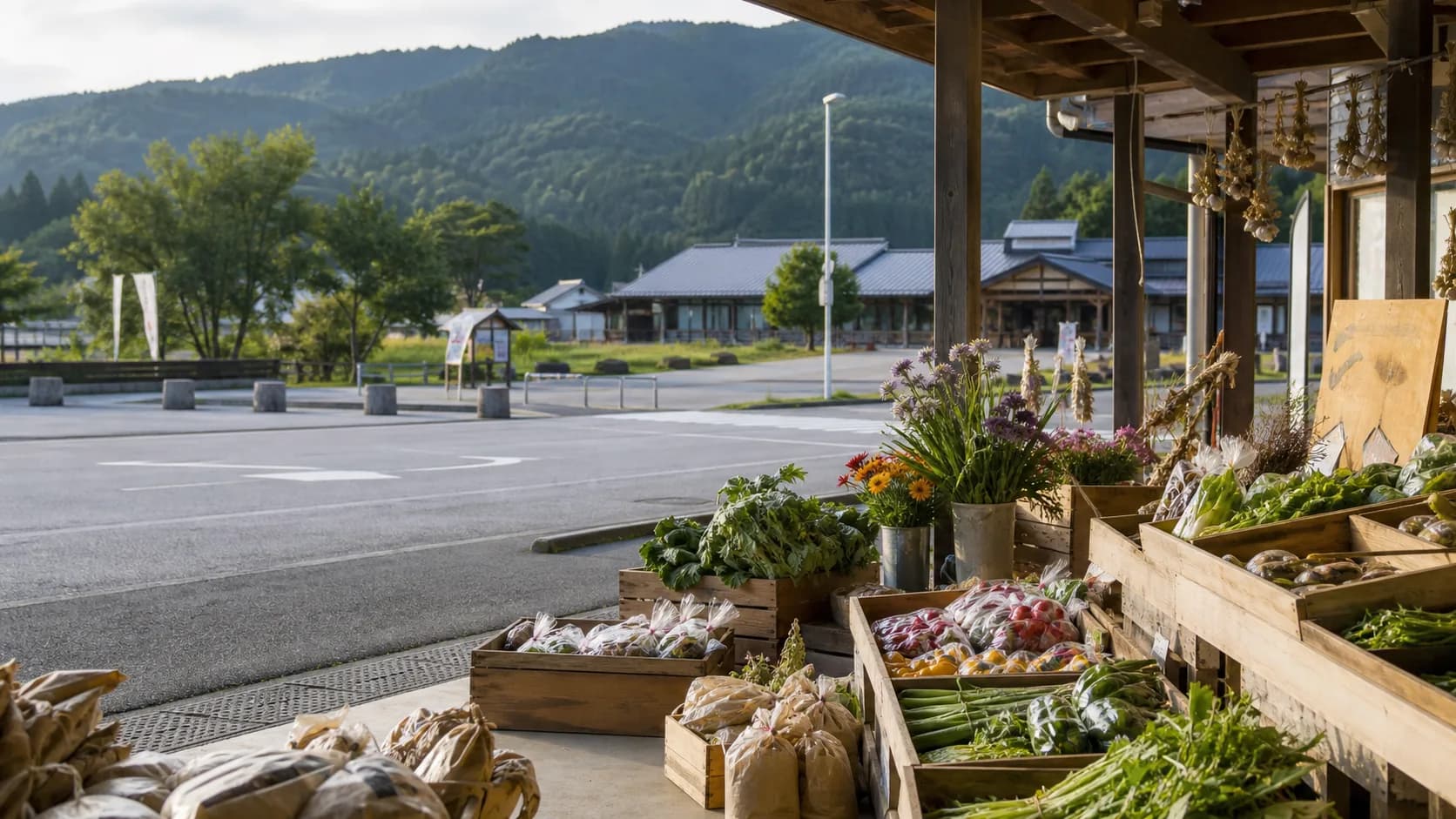
Yakuno Kogen-ichi

The focus is locally grown vegetables, rice, processed foods, flowers and plants, and handicrafts. You will generally have more to choose from earlier in the day.

For sweets
Yakuno Hana Azuki-kan

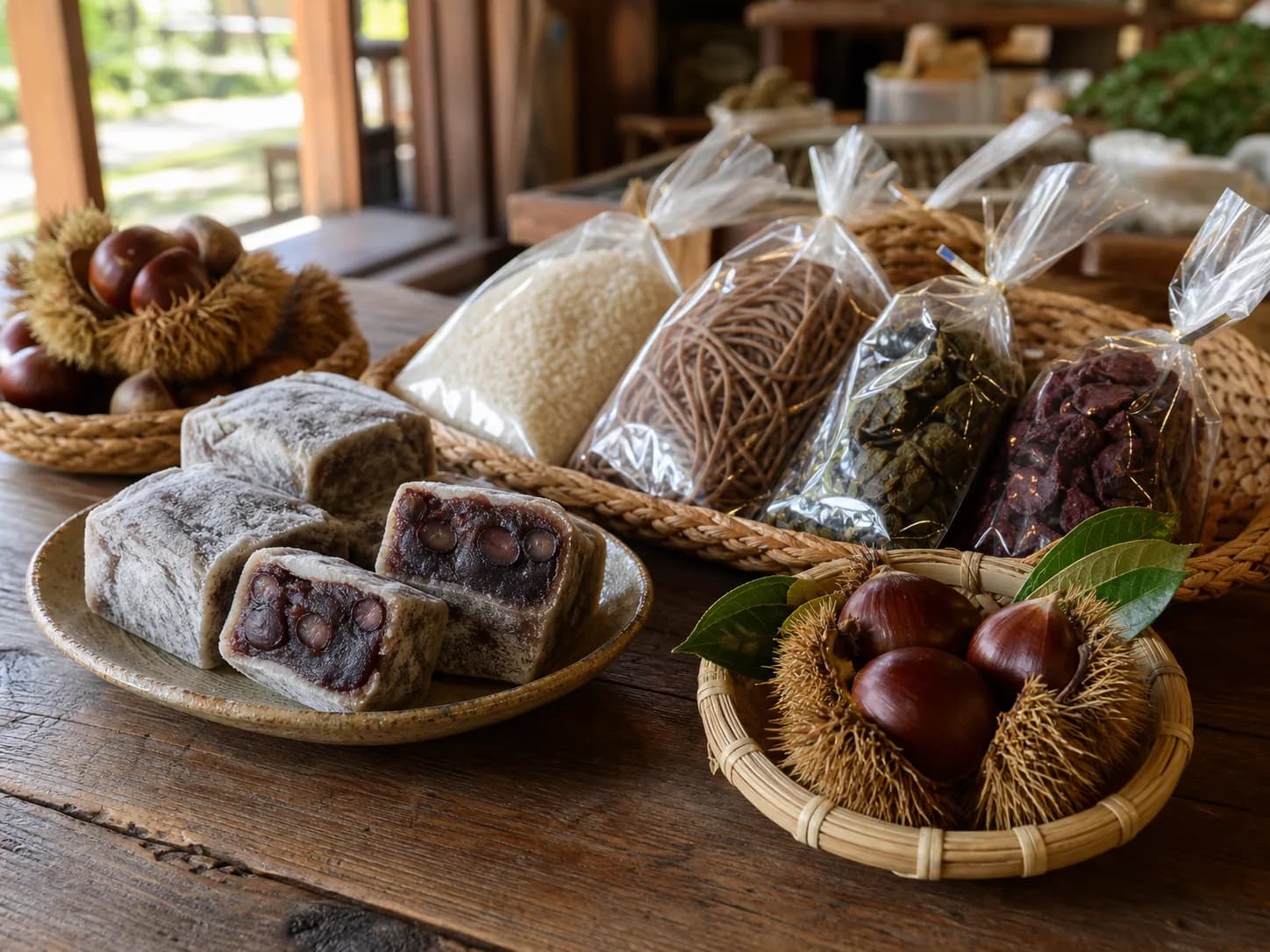
Its specialties include kintsuba, a small bean-paste sweet, made with black soybean paste or azuki beans. Check the shop’s own opening-day information.

For learning
Lacquer and fossils

Yakuno Wood and Lacquer Museum is generally open 10:00–17:00; the fossil and local history museum is generally open on weekend and public-holiday afternoons. Plan around the day of the week.

For a walk
Yakuno Basalt Park or Hozan

Choose Yakuno Basalt Park for a short scenic stop, or head toward Hozan and its eighty-eight stone Buddhist statues for more of the volcanic highland landscape.

Sakurako’s rest-stop notes

Catch your breath in the spacious parking area, browse vegetables and sweets, then see a little volcanic scenery.

Sakurako Saegusa looks beyond memories of the former hot spring and focuses on what visitors can use now: the farm market, Japanese sweets, places to learn, and walks. Knowing the toilet and shop hours first helps keep plans manageable for families and adults alike.

Highlights

Michi-no-Eki Nosho no Sato Yakuno stands on National Route 9 near the Kyoto–Hyogo prefectural border. Its parking and toilets are available 24 hours. From there, you can browse freshly harvested vegetables at Yakuno Kogen-ichi, buy kintsuba (a bean-paste sweet) at Yakuno Hana Azuki-kan, visit the Yakuno Wood and Lacquer Museum or the fossil and local history museum, and explore Yakuno Basalt Park or the Hozan area. Former hot-spring, lodging, and restaurant facilities may still appear in older travel information. Today, plan on highland shopping, brief cultural visits, and volcanic scenery.

  • #Yakuno Highlands
  • #Freshly harvested vegetables
  • #Black soybean kintsuba
  • #Tamba lacquer
  • #Yakuno Basalt Park
  • #National Route 9
Why I like it

Reasons to stop here

01

A station centered on the highland market, rather than hot springs

According to the city, Yakuno Kogen Hokkori-kan, Yakuno-so, Yakuno Honjin, Yakuno Ichido-an, and the begonia garden are closed for the time being or have shut down. Yakuno Kogen-ichi, with freshly harvested vegetables, rice, processed foods, flowers and plants, is now the main draw. Use the station as a starting point for shopping and nearby walks rather than planning around older hot-spring and dining information.

02

Black soybean and azuki sweets add Yakuno flavor to a short stop

Yakuno Hana Azuki-kan offers kintsuba made with black soybean paste or azuki beans. Browse the farm market, then take sweets or processed foods home rather than counting on a full lunch at the station. You can choose something to eat in the car and a separate gift for later.

03

Lacquer, fossils, and volcanic landforms are close together

Yakuno Wood and Lacquer Museum and the Yakuno-cho Fossil and Local History Museum are in or around the station. A little farther away are Yakuno Basalt Park and Hozan. The Yakuno Highlands lie around Mt. Takurayama, regarded as Kyoto Prefecture’s only volcano, giving a farm-market stop a geological dimension.

Route idea

Ways to plan your stop

Spend your time at the station or add somewhere nearby. These ideas help you plan around your companions and the weather.

A 30–45-minute shopping stop

Make a Route 9 break richer with vegetables and sweets

After a breather in the parking area, use the toilets and then visit Yakuno Kogen-ichi. Browse vegetables, rice, processed foods, and flowers or plants before stopping at Hana Azuki-kan for kintsuba or sweets to take away. Even a short break can feel distinctly Yakuno.

Parking → toilets → Yakuno Kogen-ichi → Hana Azuki-kan → departure

The shops operate mainly during the day. Check current notices before planning a meal or hot-spring visit.

One to two hours with elementary-school children

Combine lacquer and fossils for a learning-focused family stop

See the Tamba lacquer displays and activity information at Yakuno Wood and Lacquer Museum. On weekend or public-holiday afternoons, add the fossil and local history museum. Ammonites, volcanic bombs, and pottery link Yakuno’s landscape and history, making this a useful plan for rainy or hot days.

Yakuno Kogen-ichi → Wood and Lacquer Museum → Fossil and Local History Museum

Some lacquer activities require reservations. The fossil museum opens on limited days, so check the calendar.

A half-day detour in spring or autumn

Add Yakuno Basalt Park to see the volcanic highlands

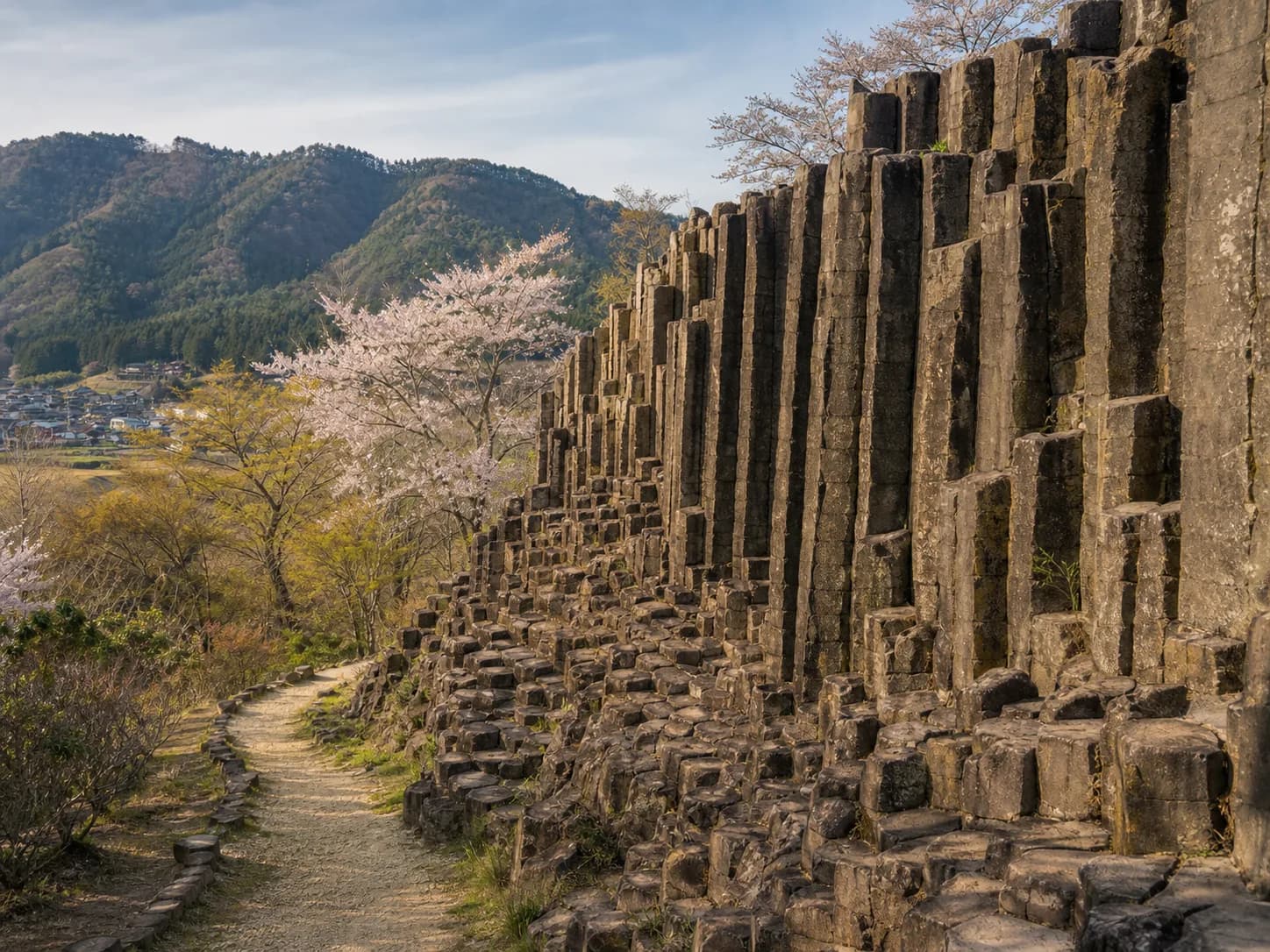
When shopping alone feels too brief, travel to Yakuno Basalt Park. Its columnar joints make an impression even on a short walk, and cherry blossoms change the view in season. For a longer walk, try Hozan Park or the route past the eighty-eight stone Buddhist statues.

Roadside station → Yakuno Basalt Park → Hozan Park or the Kami-Yakuno Station area

Hozan and the stone-statue route range from a short stroll to a more demanding walk. Adjust for heat, rain, snow, and footing.

A detour on a rail trip

Walk from Kami-Yakuno Station for a short car-free visit

The roadside station is within walking distance of JR Kami-Yakuno Station, so you can visit by train. A small loop from the station to Yakuno Kogen-ichi, the Wood and Lacquer Museum, and the fossil museum can fit a train wait or the start of a Yakuno walk.

Kami-Yakuno Station → roadside station → Wood and Lacquer Museum → Kami-Yakuno Station

Check bus service days and frequency. If carrying a lot of luggage, keep purchases modest.

Hours

Opening hours

Parking and toilets
Available 24 hours

Approximately 170 standard-car spaces, 5 large-vehicle spaces, and 3 accessible spaces.

Yakuno Kogen-ichi
9:30-17:00

Generally closed on the third Wednesday; hours may change around New Year and in winter.

Yakuno Hana Azuki-kan
10:00-17:00

The listed hours are indicative. Check the shop’s own opening days and regular closing days.

Yakuno Wood and Lacquer Museum
10:00-17:00

Generally closed on Wednesdays, or the following day when Wednesday is a public holiday. Plan to book hands-on activities in advance.

Yakuno-cho Fossil and Local History Museum
Weekends and public holidays, 13:00–17:00

Last admission is 16:30. Check for New Year closures.

Family

Visiting with children

Stars show the editorial recommendation for each age group on a five-point scale. Read the reasons alongside each rating.

Under 1 year
★★★☆☆

The 24-hour toilets and spacious parking make a rest stop easier.

Check in advance for dedicated nursing and diaper-changing facilities. A toilet stop and brief shopping trip may work better than a long stay.

Ages 2–3
★★★☆☆

Keep the farm-market visit short and decide on outdoor walking based on the weather.

Watch for merchandise shelves and moving vehicles. This is not a playground-focused station; keep visits to Yakuno Basalt Park or Hozan short.

Ages 4–6
★★★★☆

Vegetables, Japanese sweets, and fossils can provide small goals.

The fossil and local history museum can add variety on weekend and public-holiday afternoons. In rain, favor indoor lacquer and fossil displays.

Elementary-school children
★★★★☆

Volcanoes, basalt, and lacquer can turn the trip into a learning experience.

Yakuno Basalt Park or Hozan can bring Mt. Takurayama’s setting, regarded as Kyoto Prefecture’s only volcano, to life. Match walking distance to each child’s stamina.

Rest stop

At night, plan for a rest stop rather than a shop visit.

Food

A plan centered on the farm market and Japanese sweets is easier to manage.

Indoor visits

The fossil and local history museum is generally open on weekend and public-holiday afternoons.

Outdoor walks

Keep walks short according to summer heat, rain, or winter road conditions.

Event

Make an event part of your visit

Permanent spaces and dated events are listed separately. Events can change both the atmosphere and crowds; use the official links for details.

Checking event dates.

Spaces used for events

Annual events at Yakuno Kogen-ichi

The market advertises events tied to seasonal produce, including the first market of the year, Setsubun, shiitake mushroom inoculation experiences, spring vegetables and seedlings, new onions and potatoes, watermelons, Obon flowers, grapes, chestnuts, edamame, new rice, an agriculture, forestry, commerce and industry festival, and daikon cooked in broth.

Spring at Yakuno Basalt Park

Cherry blossom season brings flowers alongside the columnar basalt joints. It is a good time to add a short scenic detour to a shopping stop.

Yakuno Wood and Lacquer Museum

Special exhibitions, lacquer-painting experiences, and classes in kintsugi (repair with gold) or maki-e (decorative lacquer) may be offered. Check dates and reservation requirements for activities.

Hozan and the eighty-eight stone Buddhist statues

Forest walks, autumn leaves, seas of clouds, and visits to the stone statues change with the season and weather. Distinguish a short stroll from a longer hike.

Local feel

Reasons to return

Practical ideas and things to consider when spending time here.

Update older expectations of hot springs and lodging

City and Kinki Regional Development Bureau information lists several hot-spring, lodging, and restaurant facilities as closed for the time being or permanently closed. Visitor reports also tend to describe today’s stop as produce shopping or a short break. Plan around the market and nearby walks, rather than a long hot-spring stay.

The market’s stock and time of day shape the shopping experience

Yakuno Kogen-ichi sells vegetables, rice, processed foods, and handicrafts from more than 100 local producers. Deliveries vary by day and season, so visit from morning to early afternoon if selection matters rather than relying on a full range late in the day.

For children, choose small discoveries in fossils and volcanoes over play equipment

Instead of a long play stop at the station, add the fossil and local history museum on a weekend or public-holiday afternoon, or visit Yakuno Basalt Park. Ammonites, volcanic bombs, and columnar joints make good talking points. Keep visits brief for preschoolers; older children can explore the geology and history further.

Walk outdoors in spring and autumn; check roads and footing in winter

Cherry blossoms at Yakuno Basalt Park and autumn leaves or seas of clouds around Hozan Park change the seasonal appeal. Because the Yakuno Highlands are in a mountain area, rain, heat, and winter road conditions affect walking. Start with just one outdoor addition to your shopping stop.

The train reaches the station, but decide your return time first

The roadside station is within walking distance of JR Kami-Yakuno Station. Walking farther to other spots adds distance, while buses have limited runs and may not operate every day. Without a car, keep the visit to the roadside station and nearby facilities.

Before your visit

Things to check before setting out

Opening and closure days, individual businesses and facilities for children or dogs can affect your plans.

  • Check current facility notices before planning around the hot spring, lodging, or restaurants.
  • For shopping, morning to early afternoon is usually the better window.
  • The fossil and local history museum is generally open on weekend and public-holiday afternoons.
  • For Yakuno Basalt Park or Hozan, allow for the walking distance and footing.
  • You can walk from Kami-Yakuno Station; decide what to carry and when to return before setting out.
Food

Eating and shopping

Specialities, places to eat, sweets and bakeries can all give you a reason to stop. Check individual menus for current prices and availability.

  • Shopping
    Freshly harvested vegetables at Yakuno Kogen-ichi
    9:30–17:00 (indicative opening hours)
  • Take-home goods
    Rice, soba, and processed farm products
    Varies by season and deliveries
  • Sweets
    Kintsuba with black soybean or azuki bean paste
    Check Hana Azuki-kan opening days
  • Shopping
    Flowers, plants, and handicrafts
    Available at Yakuno Kogen-ichi
Food mood

What would you like to eat?

A meal, a sweet treat, market shopping or something to take away: choose a focus for the day instead of trying everything at once.

Illustrative image — not an on-site photograph
Today’s vegetables

Freshly harvested vegetables, rice, and seasonal produce

Goods from local growers are the main attraction. A visit from morning to early afternoon works well for shopping for dinner.

In summer, an insulated bag is useful.

Sweets distinctive to Yakuno

Black soybean-paste kintsuba and azuki kintsuba

Instead of a restaurant stop, enjoy these Japanese bean-paste sweets in the car or later with tea at home.

Check Hana Azuki-kan’s opening days.

Gifts for later

Soba, pickles, tsukudani (foods simmered in soy sauce), miso, horse-chestnut sweets, and other processed foods

Continue enjoying Yakuno Highland produce at home. Choose items that travel well on a long journey.

Planning a meal

Do not rely on having lunch entirely at the station

The station currently centers on farm-market shopping, sweets, and places to visit. Plan lunch along your route or in the Fukuchiyama or Asago area.

Seasonal arrivals

Wild vegetables, vegetable seedlings, watermelons, grapes, chestnuts, edamame, new rice, and New Year goods

Yakuno Kogen-ichi’s annual events follow the harvest seasons. If you want a particular item, check its official website or Instagram for recent arrivals before setting out.

Access

Location and surroundings

Illustrative image — not an on-site photograph

If the map does not load, open it in Google Maps

Share

Send your travel companions a possible stop.

Send a correction

Let us know if information on this page, such as hours or closing days, is incorrect. Our editors will review your message before updating the guide.

We use your submission only to review and improve our content and to reply about your message.