Skip to content
Michi-no-Eki JournalMap

Niigata Prefecture · Hokuriku

Roadside Station Chijimi no Sato Ojiya

道の駅 ちぢみの里おぢや

Now that the hot spring and restaurant are closed, use this Route 17 stop for a short break before exploring Ojiya's hegi soba, ornamental koi and Ojiya-chijimi textiles.

Location
Ojiya City
Road
National Route 17
Hours
24 hours
The bathing facility, restaurant and shop have closed. Ojiya City says the information center and toilets remain available.
Parking
Cars: 68 / Large vehicles: 12
My stamp

Record this station in your journal

Records are saved in this browser. Visited stations receive a stamp and count towards your nationwide progress.

Nationwide progress
— / 1,238 stations
How to enjoy

Choose how to enjoy your visit

Eat, shop, play, take in the view or rest. Choose from the station’s strengths to suit your day.

First, on arrival
Expect limited facilities

The bathing facility, restaurant and shop are closed. Use the toilets and information center, and plan a short stay.

If you are hungry
Go to a hegi soba restaurant in Ojiya

For Ojiya's distinctive food, plan a stop at a soba restaurant downtown, not a meal at the station. Having several options helps at lunchtime.

If you want to shop
Head to Sun Plaza or downtown

For Ojiya-chijimi textiles and local products, add Ojiya City General Industry Hall Sun Plaza to your itinerary.

With children
Visit Nishikigoi no Sato after your break

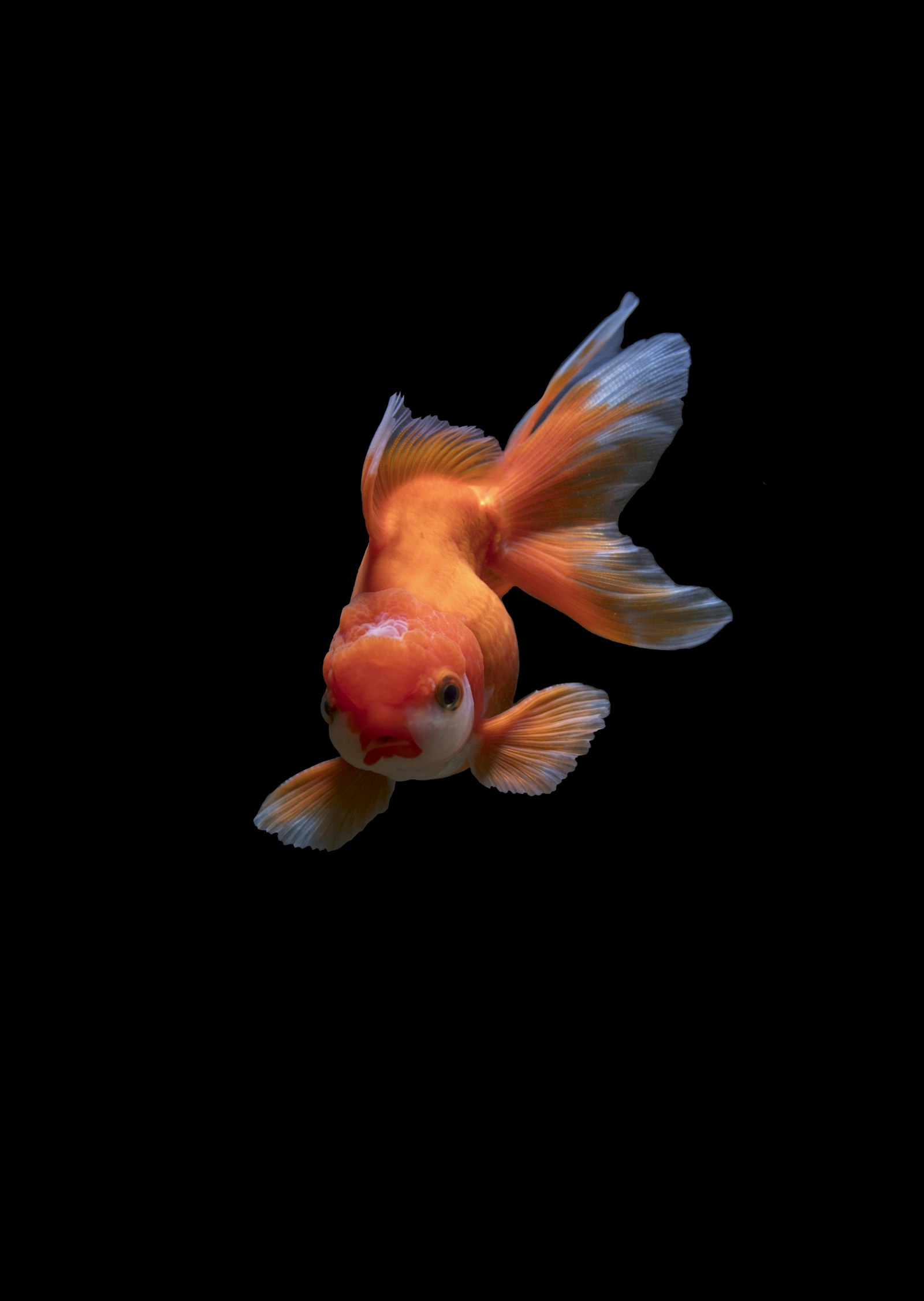
Instead of looking for activities at the station, head to this mostly indoor place to see colorful ornamental koi.

If the weather is clear
Add the Yamamotoyama Plateau

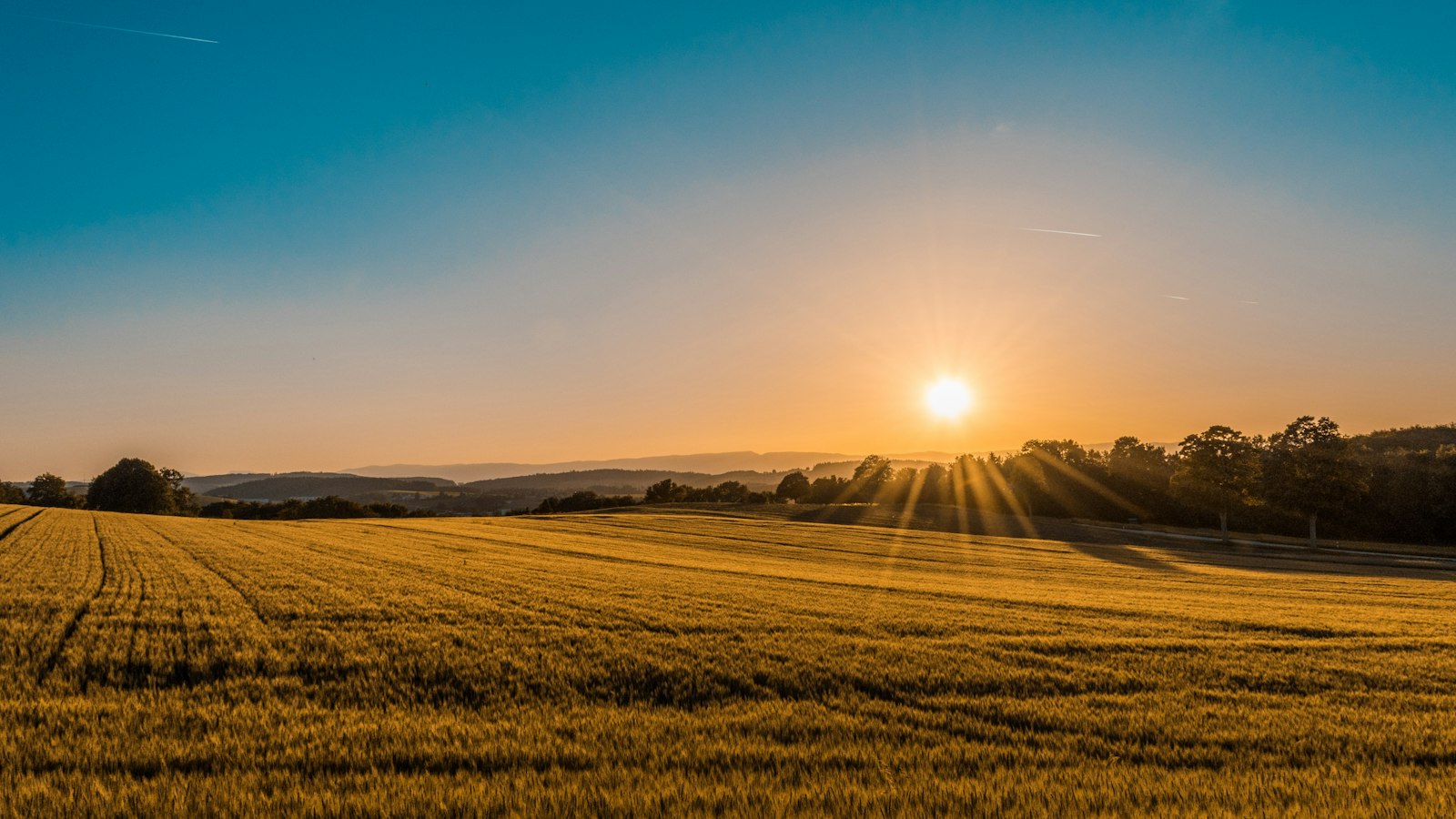
The flower fields and views of the Shinano River change with the season and weather. Summer sunflowers and autumn buckwheat fields are especially appealing.

On an event day
Plan around the bull wrestling schedule

The remaining 2026 Ojiya events are scheduled for October 4 and November 1 (the final event). They run from noon to around 3 p.m., so plan your midday travel accordingly.

Highlights

Roadside Station Chijimi no Sato Ojiya, on National Route 17, was long known for its day-use baths, restaurant and shop. The Yukodokoro Chijimi no Sato bathing facility closed on March 31, 2025, and the city's March 31, 2026 policy keeps it suspended for the time being. The adjacent Ministry of Land, Infrastructure, Transport and Tourism information center and toilets remain available. Rather than planning a long stop here, take a driving break and continue into Ojiya for hegi soba, Nishikigoi no Sato, Ojiya-chijimi textiles at Sun Plaza, or seasonal scenery on the Yamamotoyama Plateau.

  • #Niigata Prefecture
  • #Ojiya City
  • #National Route 17
  • #Information center
  • #24-hour toilets
  • #Hegi soba
  • #Ornamental koi
  • #Ojiya-chijimi textiles
  • #Yamamotoyama Plateau
  • #Ushi no Tsunotsuki bull wrestling
Why I like it

Reasons to stop here

01

Plan on a short rest stop now

Visitors expecting a hot spring, restaurant or shop will be disappointed. Today, the useful stop on National Route 17 is for the toilets and road information before heading to a destination in Ojiya. Remember the closed facilities, and plan around what is still available.

02

Head into town for hegi soba

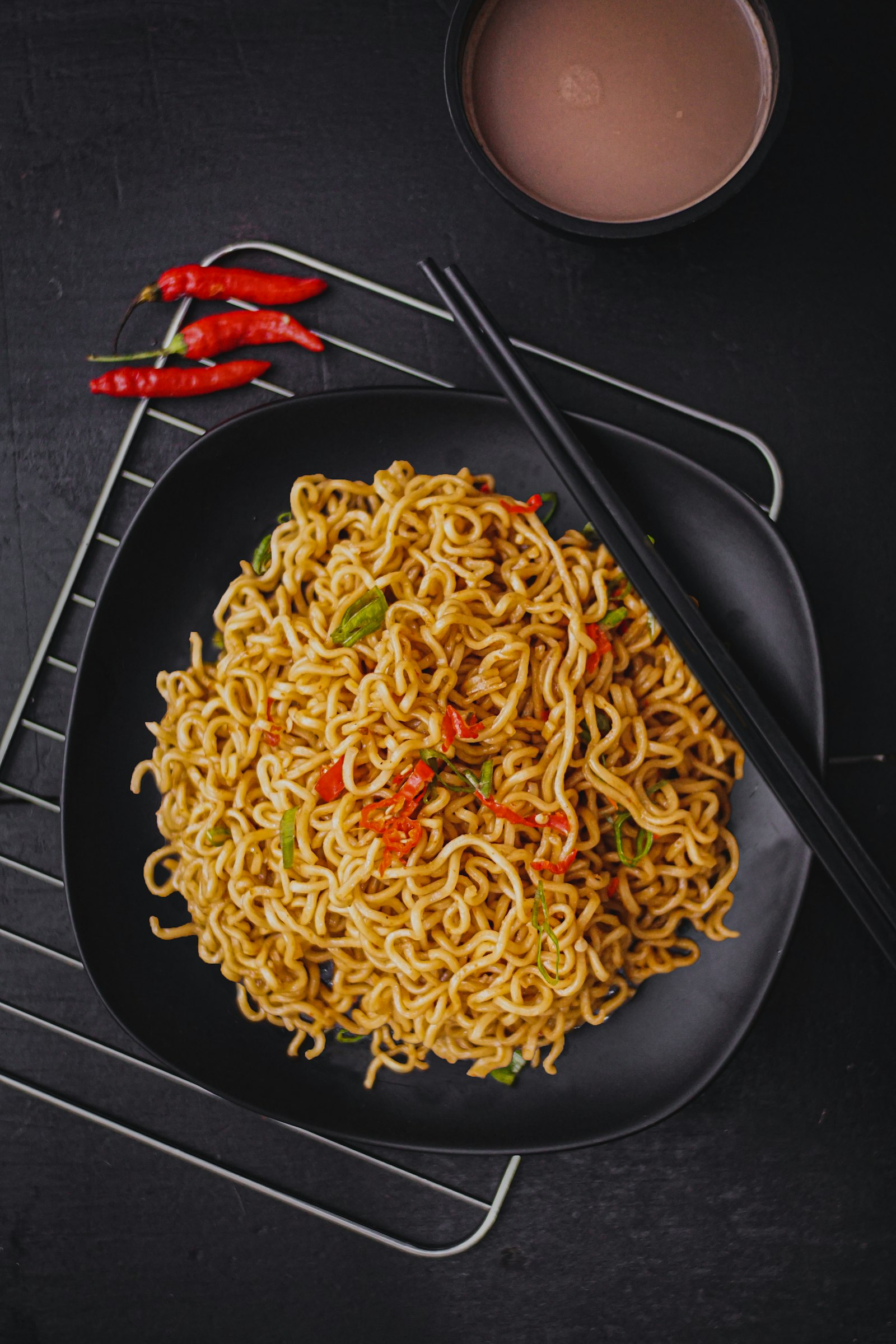
Ojiya soba was once served inside the station, but this is no longer a place to plan a meal. Try city soba restaurants such as Wataya, Kadoya, Susakaya or Wada. Hegi soba is buckwheat noodles bound with funori seaweed and arranged in a wooden tray; its smooth texture makes it a good reason to visit Ojiya.

03

A starting point for koi, textiles and snow-country events

With little reason to linger at the station, spend time at Nishikigoi no Sato, Sun Plaza, the Yamamotoyama Plateau or Ushi no Tsunotsuki. Ojiya is known for woven textiles, ornamental koi, the Balloon Ikki event over snowy fields and traditional bull wrestling as well as food. Use Chijimi no Sato as a pause before entering the city.

Route idea

Ways to plan your stop

Spend your time at the station or add somewhere nearby. These ideas help you plan around your companions and the weather.

A short break while driving toward Nagaoka or Uonuma

Use it as a Route 17 toilet stop

The station is used differently now than when its baths and restaurant were operating. Park, use the toilet, check road information and carry on to your next destination.

On National Route 17; convenient before or after heading between the Ojiya interchange on the Kan-etsu Expressway and downtown.

Do not plan to eat, shop or bathe here.

A visit to Ojiya centered on food

Make a hegi soba restaurant the focus of an Ojiya meal

Make hegi soba, whose noodles use funori seaweed as a binder, the centerpiece of your Ojiya itinerary. Options in the city include Wataya, Kadoya, Susakaya and Wada; choosing a particular restaurant is part of the experience.

Chijimi no Sato Ojiya → Wataya Hirasawa or another hegi soba restaurant downtown.

Restaurants can be busy at lunchtime and on holidays. Check opening days and hours, and keep two options in mind.

Rainy days, brief adult sightseeing or an interest in local culture

Find Ojiya's character in koi and textiles

Instead of lingering at the station, visit Nishikigoi no Sato and Sun Plaza. Colorful koi are easy for children to enjoy, while Ojiya-chijimi woven textiles offer a glimpse of snow-country life and craft.

Chijimi no Sato Ojiya → Nishikigoi no Sato → Ojiya City General Industry Hall Sun Plaza.

Nishikigoi no Sato closes over New Year, and facilities within Sun Plaza vary their opening days. Check official notices for your date.

Flower fields, Shinano River views and photography

Drive on to the Yamamotoyama Plateau on a clear day

The Yamamotoyama Plateau changes with spring cherry blossoms and rapeseed, summer sunflowers, and buckwheat fields in early summer and autumn. After a meal, drive up to the higher ground to see a broader side of Ojiya.

Chijimi no Sato Ojiya → Yamamotoyama Plateau; allow roughly 20 minutes by car.

Flowering, sea of clouds and views depend on the weather. In winter or storms, a stop downtown may be easier than driving uphill.

A trip centered on a traditional event

On bull wrestling days, time lunch around the arena

Ojiya's Ushi no Tsunotsuki is traditional bull wrestling in which bouts generally end in a draw. Events center on noon to about 3 p.m. Use Chijimi no Sato for a break before or after, and plan your viewing time, parking and shuttle bus first.

Chijimi no Sato Ojiya → Ojiya Bullfighting Arena. On event days, also check where the shuttle departs downtown.

The event goes ahead in rain. Prepare for outdoor seating, bring something to sit on and allow for traffic on the way back.

Hours

Opening hours

Information center and toilets
Still available

Ojiya City says they remain available after March 31, 2025.

Yukodokoro Chijimi no Sato baths
Closed

Closed on March 31, 2025. As of March 31, 2026, the city's policy was to keep it suspended for the time being.

Restaurant and shop
Closed

Plan to find hegi soba, souvenirs and sweets at shops or visitor facilities downtown.

Ojiya City tourism enquiries
Weekdays, approximately 8:30 a.m.–5:15 p.m.

These are the office hours of Ojiya City's Tourism Section in the Lively Exchange Division. Check each official source for current event and facility information.

Family

Visiting with children

Stars show the editorial recommendation for each age group on a five-point scale. Read the reasons alongside each rating.

Age 1 and under
★★☆☆☆

Useful for a toilet break, but a poor choice for nursing or a long stay.

With the baths and restaurant closed, choose your next indoor stop, such as Nishikigoi no Sato, before coming here.

Ages 2–3
★★☆☆☆

A brief chance to get out of the car; for play, another site will likely be more satisfying.

Head toward downtown food or indoor activities before hunger or tiredness sets in.

Ages 4–6
★★★☆☆

A short break followed by Nishikigoi no Sato or the Yamamotoyama Plateau gives children something to look forward to.

Because the station itself is only a stop, explain what you will see next before arriving.

Primary school age
★★★★☆

Koi, Ojiya-chijimi, bull wrestling and Yamamotoyama's flower fields offer learning and experiences.

An adult's explanation makes the bull wrestling and textiles more engaging. Consider summer heat and winter snow on the roads.

Plan to eat elsewhere

With the station restaurant closed, choose a lunch option before arriving to avoid a hungry child having to wait.

On rainy days, visit Nishikigoi no Sato and Sun Plaza

Downtown venues with indoor areas are easier to enjoy than outdoor Yamamotoyama in the rain.

Prioritize road conditions in winter

Ojiya is a snowy region. Check the weather and road information and avoid an overly ambitious winter drive.

Rest

Ideas for a restful stop

  1. 1
    Keep the station stop short

    Park, use the toilet and check road information, then head downtown for food or indoor venues.

  2. 2
    Check restaurant hours before eating

    With no station restaurant, check the lunch and dinner hours and closing days of hegi soba restaurants in advance.

  3. 3
    Choose indoor stops in rain or snow

    Downtown venues with indoor areas, such as Nishikigoi no Sato and Sun Plaza, can reduce the effort of moving around.

Event

Make an event part of your visit

Permanent spaces and dated events are listed separately. Events can change both the atmosphere and crowds; use the official links for details.

Checking event dates.

Spaces used for events

Information center

Use it to check road information before heading to an event. It is not a place to eat or shop.

Ojiya Bullfighting Arena

On Ushi no Tsunotsuki days, organize travel around the noon event, parking and the shuttle bus.

Yamamotoyama Plateau

A seasonal destination for flower fields and views. Check bloom reports; paired with a hegi soba meal, it makes a distinctive half day in Ojiya.

Downtown Ojiya

A base for the Ojiya Festival, local products, hegi soba, ornamental koi and Ojiya-chijimi. Move on from Chijimi no Sato to destinations downtown.

Local feel

Reasons to return

Practical ideas and things to consider when spending time here.

The closure is the key change for planning a visit

If you remember the station for its baths, restaurant and shop, arriving without checking its current status could disrupt your plans. Use it now as a rest stop with an information center and toilets, and head downtown to eat and shop.

Baths and hegi soba were once a popular combination

Travel accounts often described a bath followed by soba, a leisurely visit without much preparation, and buying rice or sake at the shop. Today, find those pleasures at hegi soba restaurants and product venues elsewhere in Ojiya.

Many remember the shop at the entrance and baths farther inside

Past visitor accounts described a shop and restaurant near the entrance, with bath reception farther inside. Do not rely on that former layout for a meal or shopping; choose alternatives before arriving so companions need not wait.

Its value as an accessible Route 17 rest stop remains

Past visitors valued being able to stop along Route 17, between Tokyo and Niigata, for both baths and food. Although bathing has ended, it remains useful for a short roadside break before heading into downtown Ojiya.

Find seasonal outings beyond the station

Spring cherry blossoms and rapeseed, summer sunflowers, buckwheat fields in early summer and autumn, and winter snow-country events give Ojiya its seasonal appeal at the Yamamotoyama Plateau and downtown. Place the station before or after these outings as a rest stop.

With children, choose the next stop before arriving

With no baths or restaurant, the station is poorly suited to a long play visit. For young children, choose Nishikigoi no Sato, Sun Plaza or Yamamotoyama Plateau as the next activity before taking your break.

Movie

Preview the place on video

Official videos show the market and nearby park before you visit. Audio and captions are in Japanese.

If the video does not load, watch it on YouTube

News report on Ojiya's bathing facility after its hot spring stopped flowing

A reference video about the situation after problems pumping water from the hot spring source. For current opening status, consult Ojiya City's official information.

Before your visit

Things to check before setting out

Opening and closure days, individual businesses and facilities for children or dogs can affect your plans.

  • The bathing facility, restaurant and shop closed on March 31, 2025. Do not rely on hours listed in older guides.
  • Ojiya City says the information center and toilets remain available after the closures.
  • Go downtown for hegi soba. Restaurants can be busy at lunchtime, so keep more than one in mind.
  • For shopping, try Ojiya City General Industry Hall Sun Plaza or downtown stores for Ojiya-chijimi textiles and local products.
  • Flowering and weather strongly affect a trip to the Yamamotoyama Plateau. Check bloom reports before heading there.
  • In winter, prioritize snow and road conditions. Use this as a short Route 17 rest stop, and skip an uphill detour if conditions are poor.
Food

Eating and shopping

Specialities, places to eat, sweets and bakeries can all give you a reason to stop. Check individual menus for current prices and availability.

  • Dining option in Ojiya
    Hegi soba
    At restaurants around Ojiya City, not inside the station.
  • Souvenir ideas
    Sasa dango, rice crackers and local sake
    Look for these at Sun Plaza or downtown shops.
  • Something to take home
    Uonuma Koshihikari rice
    A souvenir from this rice-growing region.
Food mood

What would you like to eat?

A meal, a sweet treat, market shopping or something to take away: choose a focus for the day instead of trying everything at once.

A full meal

Hegi soba

Choose a soba restaurant in Ojiya instead of the closed station restaurant. Smooth noodles arranged in a wooden hegi tray make a distinctive local meal.

Popular restaurants often have waits at lunchtime; check opening hours and last orders before setting out.

A small sweet snack

Sasa dango, rice crackers and local sweets

Plan to buy these at a downtown product center or confectionery instead of the former station shop. They make convenient road snacks or souvenirs; sasa dango are sweet rice dumplings wrapped in bamboo leaves.

Do not count on buying anything at the station; Sun Plaza or downtown shops are better choices.

Take something home

Uonuma Koshihikari rice, local sake and Ojiya-chijimi goods

Look downtown for the kinds of souvenirs once sold at Chijimi no Sato. Consider the food of this rice-growing region and its woven textiles separately when choosing gifts.

Ojiya-chijimi ranges from practical products to displays and experiences. If shopping is your goal, choose an operating venue in advance.

Eating with children

Have lunch alternatives to soba

Hegi soba may be the local specialty, but a small child may struggle with the portion or wait. Keep several downtown meal options so you need not return to the closed station.

There is no station restaurant as a fallback, so decide where to eat before arriving hungry.

Choose by season

From Yamamotoyama's buckwheat fields to hegi soba

After seeing the buckwheat fields on the Yamamotoyama Plateau in early summer or autumn, eat hegi soba in the city. Pairing scenery with food makes a memorable Ojiya outing.

Flowering dates change each year. Check Ojiya City's bloom reports before going.

Share

Send your travel companions a possible stop.

Send a correction

Let us know if information on this page, such as hours or closing days, is incorrect. Our editors will review your message before updating the guide.

We use your submission only to review and improve our content and to reply about your message.