Skip to content
Michi-no-Eki JournalMap
Illustrative image — not an on-site photograph

Aichi Prefecture · Chubu

Michi-no-Eki Seto Shinano

道の駅 瀬戸しなの

Enjoy Seto food served in Seto ware, then shop for farm-fresh produce and pottery at this roadside station in Shinano.

Illustrative image — not an on-site photograph

Location
Seto City
Road
Prefectural Route 210 | Naka-Mizuno–Shinano Line
Hours
9:00–18:00
Setomeshi Dining Hall generally opens 8:30–15:30 on weekdays and 8:30–16:30 on weekends and public holidays. Last orders are 30 minutes before closing.
Parking
Cars: 57 / Large vehicles: 11
My stamp

Record this station in your journal

Records are saved in this browser. Visited stations receive a stamp and count towards your nationwide progress.

Nationwide progress
— / 1,238 stations
How to enjoy

Choose how to enjoy your visit

Eat, shop, play, take in the view or rest. Choose from the station’s strengths to suit your day.

Eat first
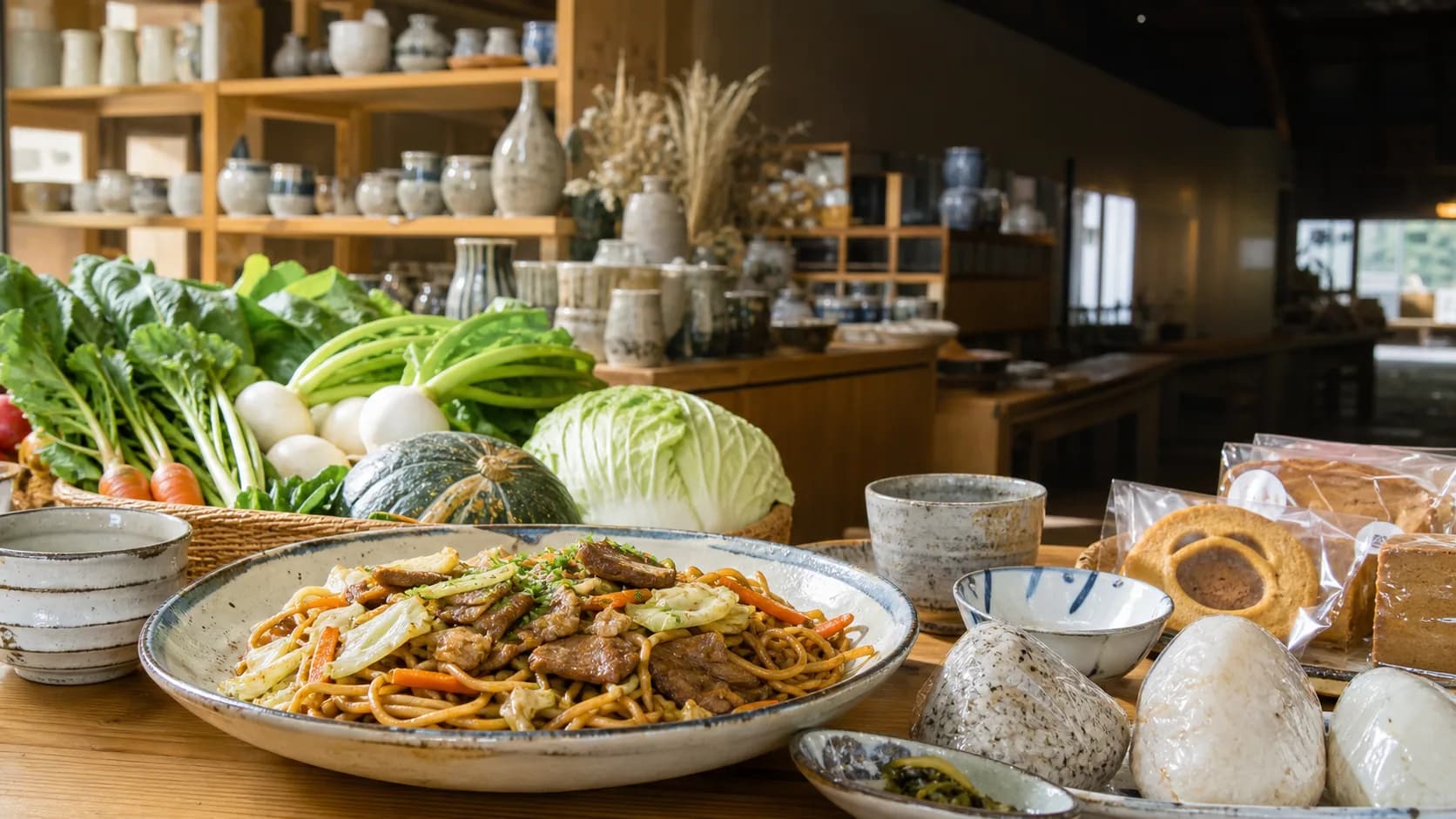
Seto yakisoba or Setomeshi 2.0

On a first visit, try Seto yakisoba; for a change, choose yakisoba with light or dark thick sauce. Add gomo meshi or terikake for another local flavor.

What to buy
Farm-fresh vegetables and Seto specialties

Choose seasonal vegetables, miso, local sake, gohei mochi, Japanese sweets, eggs, or desserts with your journey home in mind. A cooler bag helps in summer.

Browse tableware
Shinano Ceramics Center

If the dining hall's tableware catches your eye, head to the ceramics center next door for pottery sold directly and possible pottery experiences.

For a break
Parking, toilets, and information facility

Parking, toilets, and the information facility are listed as available 24 hours. Plan shop visits around 9:00–18:00.

Go farther afield
Iwayado Park or the Setogura area

Choose Iwayado Park for nature or Setogura Museum for a deeper look at pottery culture. Both can fit into a drive via Seto-Shinano IC.

Illustrative image — not an on-site photograph
Minato's food and shopping notes

Start with Seto yakisoba; take home tableware and vegetables too.

Minato Tachibana sees this station as a gateway to Seto's food and pottery in one visit. Eat Seto yakisoba at the dining hall, choose seasonal vegetables or gohei mochi in the shops, and browse tableware at the ceramics center next door. Even with little time, you can enjoy local food, shopping, or a sense of the area.

Highlights

Michi-no-Eki Seto Shinano is about five minutes from Seto-Shinano IC on the Tokai-Kanjo Expressway. Eat Seto yakisoba or Setomeshi 2.0 dishes, buy locally grown vegetables and Seto specialties, and browse pottery at the adjoining Shinano Ceramics Center. Beyond the dining hall, make time for Seto ware tableware, seasonal produce, a pottery experience, or a side trip to Iwayado Park or Setogura. Around lunchtime on holidays, leave some flexibility: if the dining hall is busy, browse the morning market, Umaimon Market, and pottery shelves.

  • #Seto yakisoba
  • #Setomeshi Dining Hall
  • #Farm-fresh vegetables
  • #Seto ware
  • #Shinano Ceramics Center
  • #Seto-Shinano IC
Why I like it

Reasons to stop here

01

Seto yakisoba and Setomeshi 2.0 lead the dining hall menu

At Setomeshi Dining Hall, sample Seto yakisoba, vegetable-rich yakisoba in a light-colored thick sauce, hearty offal yakisoba in a dark thick sauce, gomo meshi, and terikake—several tastes of Seto in one place. In a pottery town, the dishes and the vessels they are served in both become part of the visit.

02

Farm-fresh produce and local foods make a good stop before heading home

Toretate Market's produce changes with the seasons: wild vegetables and bamboo shoots in spring; white eggplant and blueberries in summer; new rice, taro, and Japanese mountain yam in autumn; and Chinese cabbage and daikon in winter. At Umaimon Market, look for miso, local sake, gohei mochi (grilled rice cakes with sauce), Nagoya Cochin eggs, Japanese sweets, and other desserts.

03

The neighboring ceramics center adds more of Seto's character

The Shinano Ceramics Center is close enough to visit as part of the same stop. Eat, buy vegetables, browse tableware, and, if the timing works, add a pottery experience. Even a short break or a half-day drive can feel like a visit to a pottery town.

Route idea

Ways to plan your stop

Spend your time at the station or add somewhere nearby. These ideas help you plan around your companions and the weather.

A 60–90-minute meal stop

Eat Seto yakisoba, then take home pottery and vegetables

First choose Seto yakisoba or thick-sauce yakisoba at Setomeshi Dining Hall. After eating, browse Umaimon Market and the farm-produce market. Shopping last reduces the time vegetables and chilled goods spend in your car.

Park → Setomeshi Dining Hall → Umaimon Market → Toretate Market → depart

Lunch at the dining hall generally ends at 15:30 on weekdays and 16:30 on weekends and public holidays. Check last orders and sellouts, and switch to snacks or shopping if needed.


A half-day detour for adults choosing tableware

Pottery lovers can visit Shinano Ceramics Center as part of the same stop

After a meal at the roadside station, walk the short distance to Shinano Ceramics Center. Browse pottery sold directly by kilns and the gallery; if timing permits, consider painting or pottery making. You might find a piece to use at the dinner table that day.

Roadside station → Shinano Ceramics Center → pottery class or gallery → buy vegetables at the station

Registration hours and closing days for pottery experiences differ by shop. If an experience is your goal, check reservations and official information in advance.

A drive with summer river play or autumn foliage

Extend a nature-focused day to Iwayado Park

Have lunch and use the toilets at the roadside station, then drive to Iwayado Park. Fresh spring greenery, summer river play, autumn foliage, and illuminations make each season different. The Shinano area makes it easy to combine food and nature in a day.

Roadside station → Iwayado Park → shop for farm produce on the way home

There are no lifeguards for river play. Parking and roads can be busy during the autumn foliage season, and parking fees may change during illumination events.

A culture-focused drive less dependent on the weather

Explore pottery on a rainy day at Setogura Museum

After a Seto-style meal at the roadside station, drive to Setogura Museum. Indoors you can see exhibits on the streets of Showa-era Seto, pottery factories, and ceramics, making rainy or hot days easier to plan.

Roadside station → Setogura Museum → pottery shops near Owari-Seto Station

Setogura has an occasional closure about once a month and closes over the year-end and New Year holidays. Check its opening day before leaving the roadside station.

Hours

Opening hours

Roadside station and shops
9:00-18:00

Closed over the year-end and New Year holidays, as listed by both official and tourism sites.

Setomeshi Dining Hall breakfast
8:30-11:00

Hours listed on official Instagram and elsewhere are a guide; follow the latest opening notice.

Setomeshi Dining Hall weekday lunch
11:00-15:30

Last orders are generally at 15:00.

Setomeshi Dining Hall weekend and public-holiday lunch
11:00-16:30

Last orders are generally at 16:00.

Parking, toilets, and information facility
24 hours

Seto City tourism information lists these as available 24 hours.

Shinano Ceramics Center
9:00-17:00

Listed as open daily except over the year-end and New Year holidays. Pottery classes have separate closures, including the first and third Tuesdays.

Family

Visiting with children

Illustrative image — not an on-site photograph

Stars show the editorial recommendation for each age group on a five-point scale. Read the reasons alongside each rating.

Age 1 and under
★★★☆☆

Toilets and a diaper-changing station help, but plan on a short stop because nursing facilities are not listed.

Aichi Now lists a diaper-changing station, multipurpose toilet, and ostomate facilities. It lists no nursing corner, so consider nursing in the car or at another facility.

Ages 2–3
★★★☆☆

Easiest when eating and shopping are kept short.

There are many pottery pieces and shop shelves, so this is not a place for running around. Make a short circuit of the dining hall, toilets, and produce market, and save outdoor play for Iwayado or another park.

Ages 4–6
★★★★☆

Pottery, vegetables, sweets, and a simple activity can give the visit a focus.

Pair the stop with painting or pottery making at Shinano Ceramics Center for more than a meal. Check the experience registration slots first.

Elementary school children
★★★★☆

Seto ware, pottery making, and nature at Iwayado offer plenty to explore.

Choose Setogura Museum if it rains or Iwayado Park if it is fine. Linking the dining hall's tableware with the pottery town can make the place more memorable.

Diaper-changing station

Confirmed in Aichi Now's accessibility information. Follow signs on site for its location and hours of use.

Nursing corner

The tourism website lists no nursing corner. With an infant, plan for a break in your car or at another nearby facility.

A place for extended play

The station suits meals and shopping. For active play, add Iwayado Park or a pottery experience.

Event

Make an event part of your visit

Permanent spaces and dated events are listed separately. Events can change both the atmosphere and crowds; use the official links for details.

Checking event dates.

Spaces used for events

Multipurpose square

A possible venue for Mikuni Mothers' Morning Market, markets, and summer festivals. Check same-day information, as weather can change or cancel outdoor events.

Information facility

It sometimes hosts short activities such as measurement sessions or handmade crafts.

Roadside station newsletter

A source for seasonal arrivals, monthly shop news, and events. The September 2026 issue listed the Setomono Festival on the 12th–13th and the Maneki Neko Festival on the 26th–27th.

Regular monthly discount days

Special days for miso, eggs, flowers and bread, tofu, fruit, rice, pickles, desserts, and meat and konjac give shoppers more reasons to visit.

Local feel

Reasons to return

Practical ideas and things to consider when spending time here.

Seto yakisoba is a common reason to stop

The official menu, travel writing, and visitor comments often mention Seto yakisoba, yakisoba with gomo meshi, and Seto pork dishes, suggesting many visitors come for the dining hall. Around lunchtime on holidays, have an order for browsing produce and pottery too, so a wait is easier to manage.

What is worth buying at the produce market changes with the seasons

The station lists wild vegetables and bamboo shoots in spring, white eggplant and blueberries in summer, new rice and Japanese mountain yam in autumn, and Chinese cabbage and daikon in winter. If shopping is a main purpose, look for the vegetables of your visiting month.

Event days bring more shopping opportunities, though weather can alter plans

The official July event listing included a morning market, markets, measurement sessions, crafts, and a summer festival, with changes or cancellations possible because of weather. If attending an event, check the latest listing alongside dining hall hours.

Close to Seto-Shinano IC for a break or sightseeing

Official access information puts the station about five minutes from Seto-Shinano IC on the Tokai-Kanjo Expressway. From here you can head toward Owari-Seto Station, Iwayado, or Setogura, turning a toilet stop into a meal and sightseeing trip.

Before your visit

Things to check before setting out

Opening and closure days, individual businesses and facilities for children or dogs can affect your plans.

  • Setomeshi Dining Hall generally opens 8:30–15:30 on weekdays and 8:30–16:30 on weekends and public holidays. Last orders are 30 minutes before closing, so check the time before a late lunch.
  • Parking, toilets, and the information facility are listed as available 24 hours. Plan meals and shopping around 9:00–18:00.
  • In summer, buy produce and chilled goods last and bring a cooler bag.
  • Pottery experiences at Shinano Ceramics Center have registration slots. If you want to take part, check reservations before setting out.
  • Iwayado Park's river-play area is listed as having no lifeguards. Adults must supervise children closely.
  • During autumn foliage season and the Setomono Festival, roads and parking around the station and toward Owari-Seto Station can get busy.
  • Events may change or be canceled because of weather. Check official event information if visiting for the morning market or an activity in the multipurpose square.
Food

Eating and shopping

Specialities, places to eat, sweets and bakeries can all give you a reason to stop. Check individual menus for current prices and availability.

  • Local noodle dish
    Seto yakisoba
    About ¥620 regular or ¥720 large
  • Meal
    Seto yakisoba set meal
    About ¥850 regular or ¥950 large
  • Setomeshi 2.0
    Vegetable-rich yakisoba in light-colored thick sauce
    About ¥850; vegetables change with the season
  • Setomeshi 2.0
    Hearty offal yakisoba in dark thick sauce
    About ¥850
  • Small local dishes
    Gomo meshi and terikake
    About ¥400 each
  • Substantial lunch
    Seto Sanroku beef and Seto pork dishes
    Bowls and set meals are about ¥920–¥1,680
Food mood

What would you like to eat?

A meal, a sweet treat, market shopping or something to take away: choose a focus for the day instead of trying everything at once.

Illustrative image — not an on-site photograph
A first plate

Seto yakisoba or a Seto yakisoba set meal

The quickest way to taste why you came to Seto Shinano. The set meal makes it a fuller lunch.

Some menu items are marked for takeout; check what is available on the day.

Add a small local dish

Gomo meshi and terikake

Good when yakisoba alone seems a little light or you want one more taste of Seto's local food.

A substantial lunch

Seto Sanroku beef sirloin steak rice bowl; Seto pork bowls and set meals

A choice when lunch is the main stop on your drive. Prices are higher than for a snack, but it makes a filling meal.

Buy something to take home

Seasonal vegetables, miso, local sake, gohei mochi, Japanese sweets, and Nagoya Cochin eggs

These can become part of dinner at home. In summer, buy vegetables and chilled goods last.

Events and morning market

Mikuni Mothers' Morning Market and seasonal face-to-face sales

On a Sunday morning when an event is held, you may also find vegetables and fruit sold directly in front of the dining hall.

Share

Send your travel companions a possible stop.

Send a correction

Let us know if information on this page, such as hours or closing days, is incorrect. Our editors will review your message before updating the guide.

We use your submission only to review and improve our content and to reply about your message.