Skip to content
Michi-no-Eki JournalMap
Illustrative image — not an on-site photograph

Saitama Prefecture · Kanto

Roadside Station Washi no Sato Higashichichibu

道の駅 和紙の里ひがしちちぶ

Papermaking, handmade soba, and a farm stand in one stop, in Saitama's only village.

Illustrative image — not an on-site photograph

Location
Higashichichibu Village, Chichibu District
Road
Village Road 1-1
Hours
09:00–16:00
Approximate hours for the roadside station and Washi no Sato; hours differ by shop, including the soba restaurant and farm stand.
Parking
Cars: 132 / Large vehicles: 7
My stamp

Record this station in your journal

Records are saved in this browser. Visited stations receive a stamp and count towards your nationwide progress.

Nationwide progress
— / 1,238 stations
How to enjoy

Choose how to enjoy your visit

Eat, shop, play, take in the view or rest. Choose from the station’s strengths to suit your day.

See first
Tsukigawa papermaking workshop

The clearest introduction to this washi village. Registration for the experience is generally until 3:00 p.m.

To eat
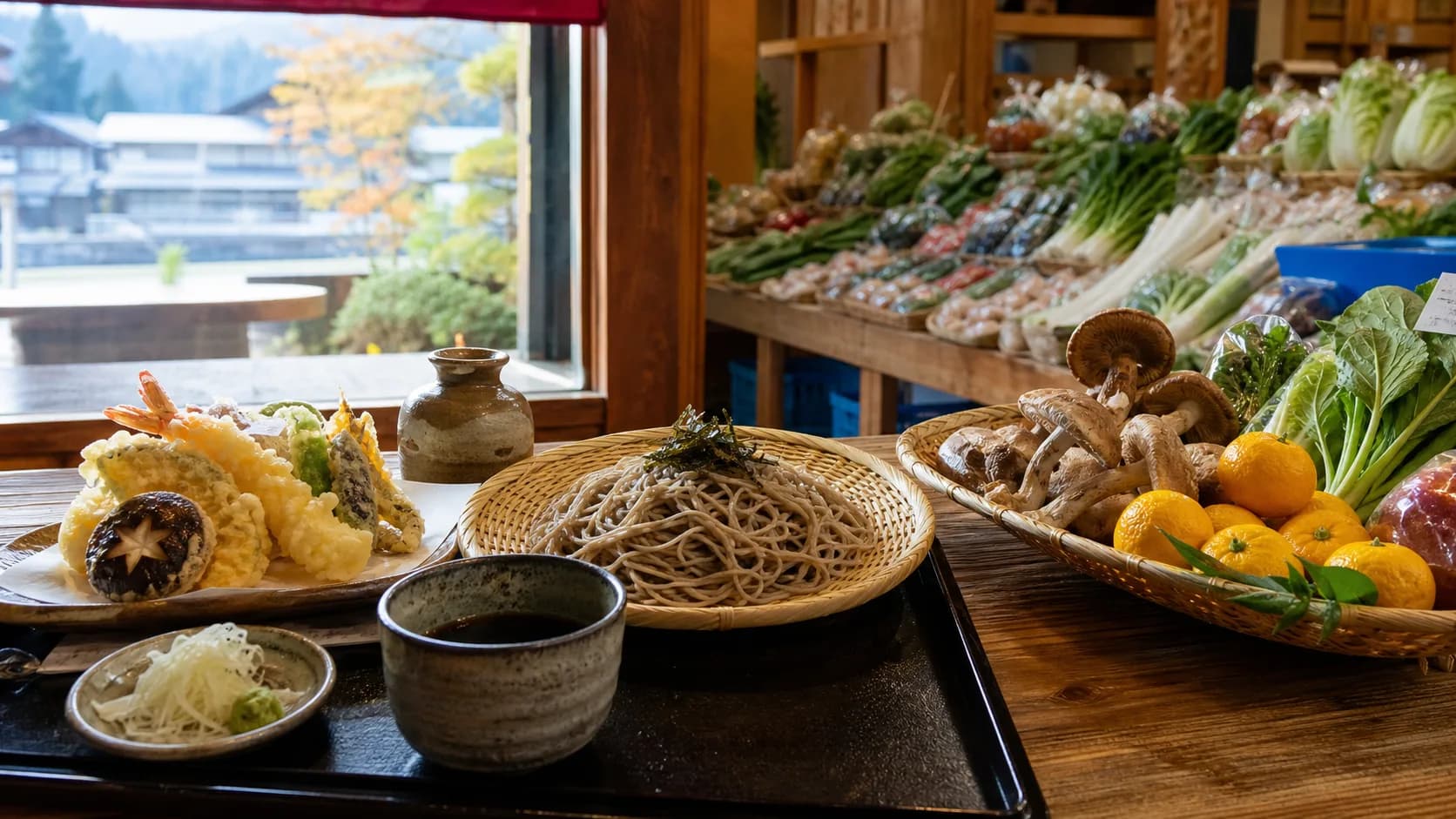
Sukifune's zaru soba with tempura

Arrive early for lunch; items can sell out and last orders may close early.

To shop
The farm stand and washi souvenirs

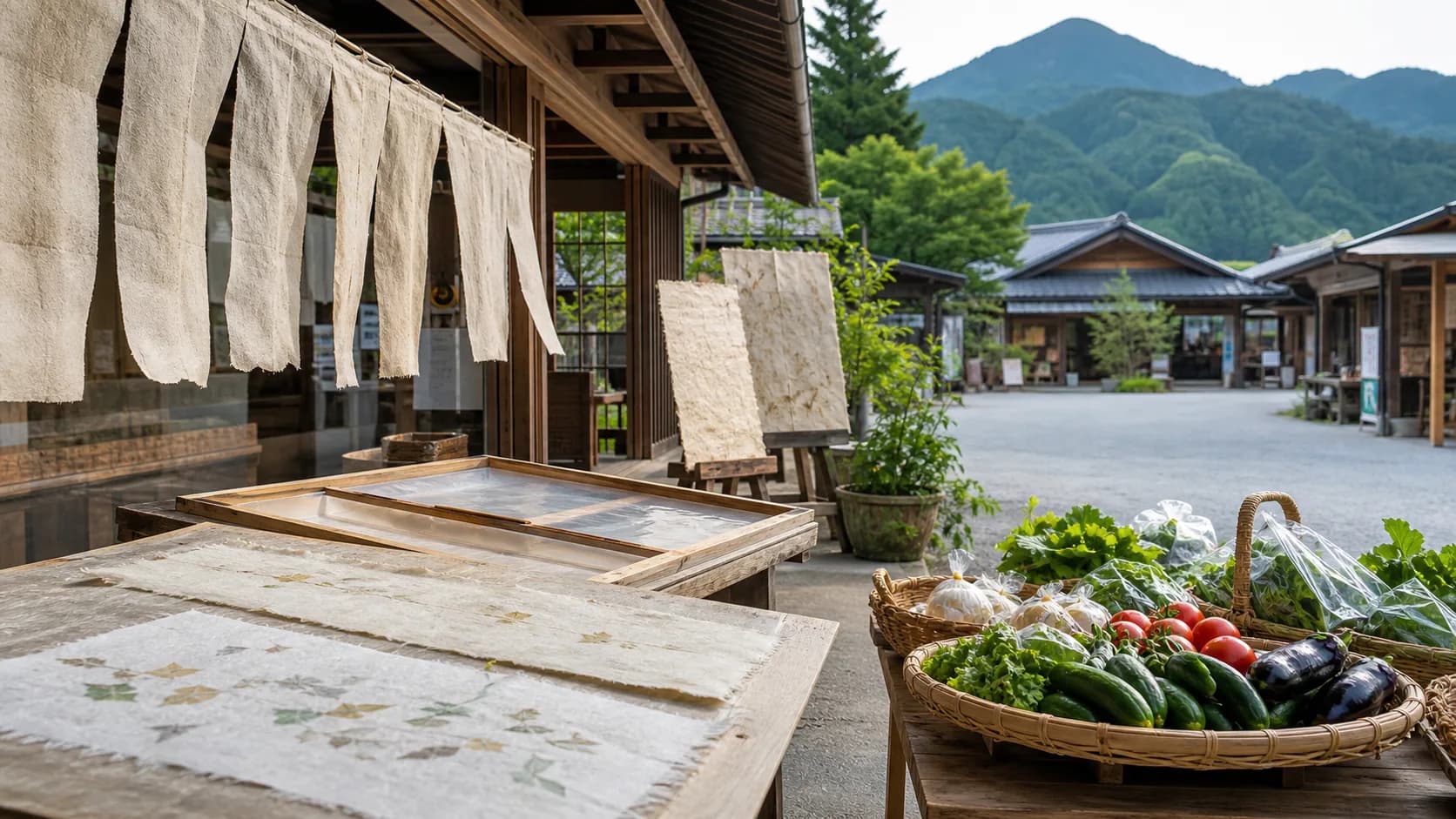
Look separately for seasonal vegetables, log-grown shiitake, fruit, postcards, and writing paper.

To try
Papermaking or soba making

Soba and udon making generally require a reservation a week in advance; they can be the focus of your trip.

To go farther
Tsukigawa River or Chichibu Highland Farm

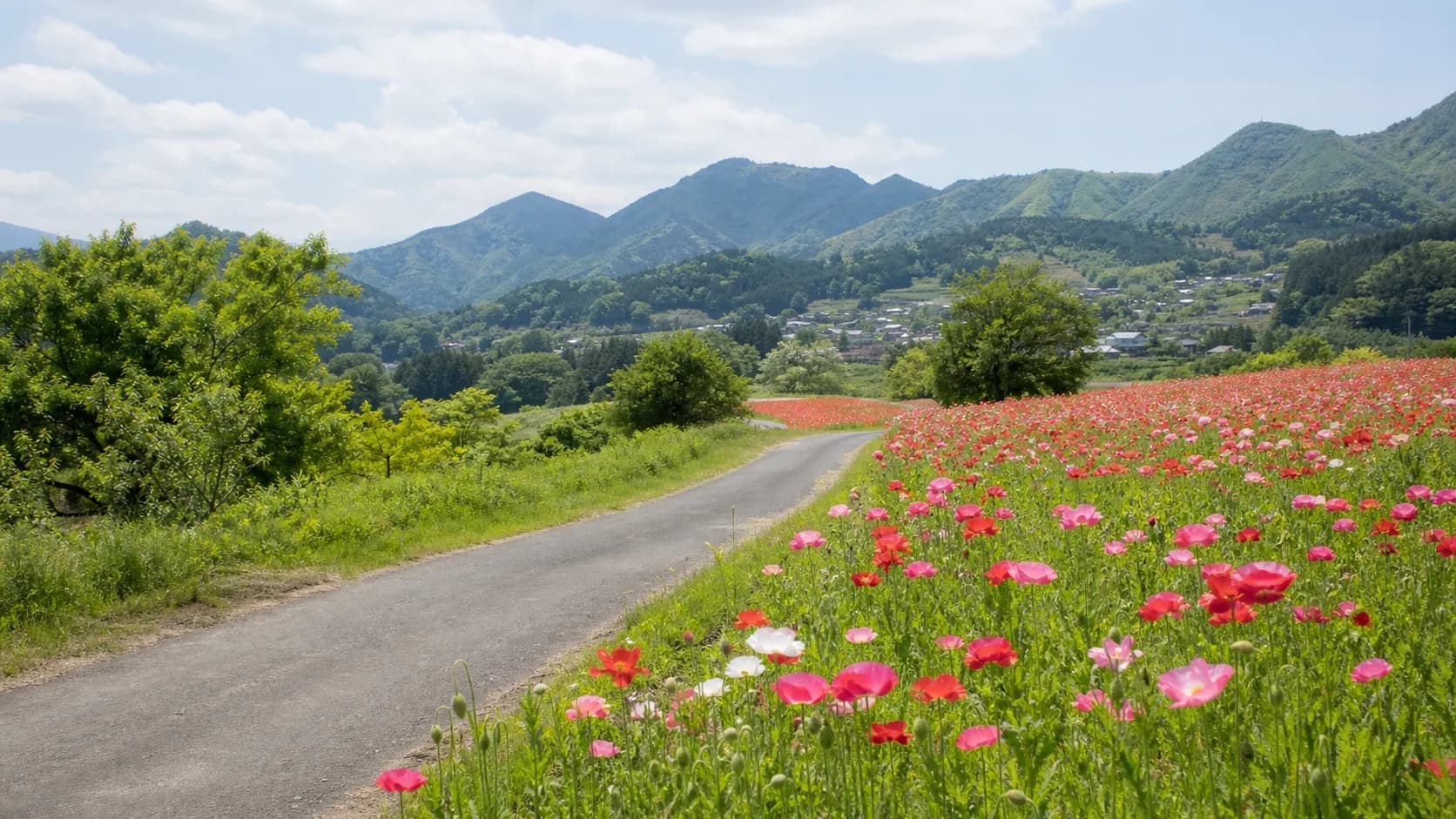
Extend the outing to the riverside in summer or toward the poppies from late May to early June.

Illustrative image — not an on-site photograph
Naomi's detour notes

Eat, shop, and make something. Even a short stop leaves a sense of the village.

Naomi Kusumi sees this as a roadside station worth more than lunch alone. Eat soba, choose log-grown shiitake or fruit at the farm stand, and take home a washi postcard. Any one of these shows Higashichichibu's character; combining two makes the visit richer.

Highlights

Roadside Station Washi no Sato Higashichichibu lets you experience and shop in the home of Hosokawa washi, a papermaking tradition spanning 1,300 years. Try making washi, traditional Japanese paper, at the Tsukigawa workshop; choose handmade soba at Sukifune or country-style food at Ogottso for lunch; then take home log-grown shiitake and seasonal fruit from the JA Toretate farm stand. Editor Naomi Kusumi recommends it as a place where food, shopping, and local character fit even a short visit.

  • #Hosokawa washi
  • #Papermaking experience
  • #Handmade soba
  • #Country-style food
  • #Farm produce stand
  • #Higashichichibu Village
Why I like it

Reasons to stop here

01

Make something with your hands at Washi no Sato

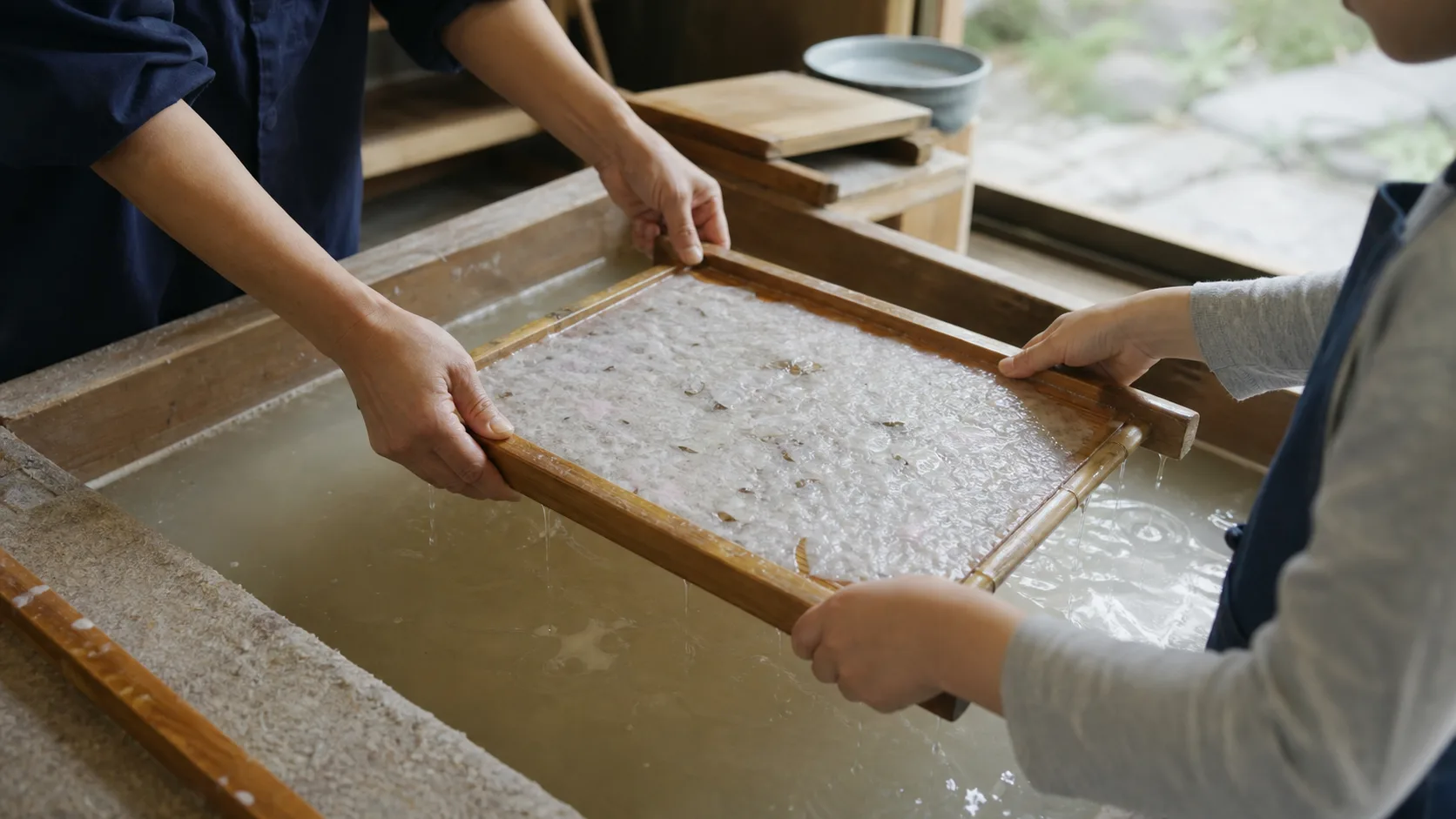
At the Tsukigawa papermaking workshop, you can handle the vat and materials used to make washi. Postcards and shikishi, square decorative paperboards, are approachable choices for families. Your paper is collected or shipped after it dries on a later date, so allow for that in your plans.

02

Choose soba for lunch, or a lighter country-style meal

Sukifune's handmade zaru soba with tempura is a clear lunch choice: chilled noodles served with a dipping sauce and tempura. For something lighter, Ogottso offers generously filled oyaki, stuffed savory buns, and handmade udon made with locally milled flour. Around lunchtime, it helps to have both options in mind.

03

Take the season home from the farm stand

The stock at JA Higashichichibu's Toretate farm stand changes with the seasons: log-grown shiitake, wild vegetables, bamboo shoots, local mandarin oranges, plums, and blueberries. Even without a meal, you can take home a seasonal item and a washi souvenir from Higashichichibu.

Route idea

Ways to plan your stop

Spend your time at the station or add somewhere nearby. These ideas help you plan around your companions and the weather.

Families with elementary school children and a cultural outing

Build the trip around papermaking

On arrival, go first to the Tsukigawa papermaking workshop to check registration hours and available activities. Postcards and shikishi decorative paperboards are family-friendly choices. Once you know how to collect your work after it dries, you can enjoy food and shopping without rushing.

Parking → papermaking workshop → Sukifune or Ogottso → washi souvenirs.

Reservations are required for some group sizes or activities. Group experiences include making kōzo paper from paper-mulberry fiber.
A lunch break on a weekend drive

Make the most of lunch and the farm stand

If you can arrive before noon, try Sukifune's zaru soba with tempura first. If it is crowded or service may end early, switch to Ogottso's oyaki or handmade udon, then choose seasonal vegetables or fruit at the farm stand. Even a short stop can feel substantial.

Roadside station → lunch → JA Toretate farm stand → washi souvenirs.

The farm stand is closed on Wednesdays; restaurant opening days differ by shop.

A family drive on a clear day

Add a river or farm visit for a half-day outing

After eating and shopping at the station, add riverside time at Yamame no Sato Waterside Park in summer. From spring into early summer, head toward Sainokuni Fureai Farm or the Tenku no Poppy area to take in the village landscape too.

Roadside station → farm stand → Yamame no Sato Waterside Park or Sainokuni Fureai Farm.

Weather changes road conditions and travel times in the hills. Check the poppy site's opening period and rainy-day arrangements.

Days with uncertain weather

Keep a rainy day mostly indoors

In rain, focus on the papermaking workshop, Cultural Learning Hall, washi souvenirs, and farm stand instead of adding outdoor walking. Give yourself more time to choose paper goods and produce for a stop that does not depend on the views.

Papermaking workshop → Cultural Learning Hall → meal → farm stand.

Registration and closing arrangements can change; follow the day's notices.

Hours

Opening hours

Washi no Sato roadside station
9:00〜16:00

Approximate hours from the official facility guide; closed over the New Year.

Papermaking experience
9:00〜17:00

Registration is generally until 3:00 p.m.; reservations may be needed depending on activity or group size.

Sukifune handmade soba
10:00〜15:00

Last orders may end early depending on availability.

JA Toretate farm stand
9:00〜16:00

Generally closed every Wednesday.

Soba and udon making experience
10:00〜

Closed on weekends, public holidays, and over the New Year; phone reservations are generally required at least one week ahead.

Family

Visiting with children

Illustrative image — not an on-site photograph

Stars show the editorial recommendation for each age group on a five-point scale. Read the reasons alongside each rating.

Age 1 and under
★★★☆☆

Suits a short shopping stop and meal break.

You can stay mostly indoors. A brief visit to the farm stand and a meal may be easier than making papermaking the focus.

Ages 2–3
★★★☆☆

Take the workshop, a meal, and a short walk in small steps.

Water-based activities need an adult's help. If the wait is long, switch to washi souvenirs or the farm stand.

Ages 4–6
★★★★☆

Making a postcard or visiting the riverside can be memorable.

Children this age often enjoy watching the hands-on papermaking. On a clear day, add Yamame no Sato Waterside Park for room to move.

Elementary school age
★★★★★

Washi, noodle making, and the farm stand connect learning with food.

Hosokawa washi, the Tsukigawa River, and mountain-village produce make good topics for a school project or weekend outing.

Papermaking registration

Registration is generally until 3:00 p.m.; reservations may be needed depending on group size and activity.

A riverside day

Yamame no Sato Waterside Park is by the river, so check conditions after rain and any construction notices before going.

Lunchtime rush

For soba, arriving before noon gives you more options.

Event

Make an event part of your visit

Permanent spaces and dated events are listed separately. Events can change both the atmosphere and crowds; use the official links for details.

Checking event dates.

Spaces used for events

Washi no Sato workshops

The village's official event listings are updated with washi workshops. Check early for sessions with set dates so you can fit one into your trip.

Washi no Sato Cultural Festival

Around May each year, the Washi no Sato grounds host a day of hands-on crafts, village food, and performances. It can be busier than a regular day and offers a fuller taste of local culture.

Farm stand arrivals

The JA farm stand regularly shares sale and seasonal arrival news. In summer, look for plums and blueberries; vegetables change with the season.

Tenku no Poppy

Toward Chichibu Highland Farm from late May to early June, flower conditions and rainy-day parking arrangements affect the outing. If combining it with the station, allow a half day starting in the morning.

Local feel

Reasons to return

Practical ideas and things to consider when spending time here.

Check papermaking registration on arrival

Registration hours and reservation rules apply to papermaking, so visit the workshop before lunch if you want to try it. Also plan to collect or receive your finished paper later, after it dries.

Keep a second lunch option in mind

Sukifune is generally open from 10:00 a.m. to 3:00 p.m., and last orders may end early depending on availability. Arrive early for lunch, with room in your plans to switch to country-style food or the farm stand if it is crowded.

Treat the farm stand as a seasonal stop

The farm stand is generally open from 9:00 a.m. to 4:00 p.m. and closed on Wednesdays. Arrival updates include summer plums and blueberries, so enjoy what is on the shelves that day rather than fixing your shopping list.

Make noodle making a main activity

At Otenami soba-making school, the guideline is one group making five servings per day, with reservations at least one week ahead. Plan it as a main family or group activity rather than a spontaneous addition.

Visitor reviews often pair activities with food

Travel-site and family posts often value being able to combine washi making, soba or udon making, dining, and local produce on one site. Elementary school children may enjoy making something, while adults may prefer the garden or browsing washi goods.

Be considerate when arriving by car or motorcycle

Official notices ask drivers and motorcyclists to be considerate when visiting. On a weekend drive, leave time to move carefully through the car park and on surrounding roads.

Before your visit

Things to check before setting out

Opening and closure days, individual businesses and facilities for children or dogs can affect your plans.

  • If you want to make washi, check workshop registration and reservation conditions as soon as you arrive.
  • For lunch, aim for the 11:00 a.m. hour. Last orders at Sukifune may end early depending on availability.
  • The farm stand is generally closed on Wednesdays. Check the day's arrivals and stay open to what is in season.
  • Soba and udon making require reservations; plan them as a main activity rather than adding them on the day.
  • Poppies, peach blossoms, and riverside play depend on season and weather. Decide whether to stay at the station or make a half-day outing.
  • Weekends bring more motorcyclists and drivers. Allow room to move carefully in the car park and on nearby roads.
Food

Eating and shopping

Specialities, places to eat, sweets and bakeries can all give you a reason to stop. Check individual menus for current prices and availability.

  • Handmade soba
    Sukifune's zaru soba with tempura
    Approximately ¥1,350
  • Country-style food
    Ogottso's oyaki and handmade udon
    Check the day's menu for availability
  • Farm stand
    Log-grown shiitake, seasonal vegetables, and fruit
    Stock changes daily
  • Washi souvenirs
    Washi postcards, writing paper, and origami paper
    Varies by item
Food mood

What would you like to eat?

A meal, a sweet treat, market shopping or something to take away: choose a focus for the day instead of trying everything at once.

Illustrative image — not an on-site photograph
Main lunch choice

Sukifune's zaru soba with tempura

Handmade soba and seasonal tempura make a meal worth stopping for.

Hours are approximately 10:00 a.m.–3:00 p.m.; last orders may be earlier depending on availability.

A lighter meal

Oyaki, handmade udon, and light meals

An option when you want a lighter lunch or a child does not want soba.

At the farm stand

Log-grown shiitake, wild vegetables, bamboo shoots, local mandarin oranges, plums, and blueberries

Deliveries vary daily, so enjoy seeing what the seasonal shelves hold.

Take home

Washi postcards, writing paper, origami paper, and seasonal vegetables

One food item and one craft item bring a little of Higashichichibu home with you.

Make your own meal

Soba or udon making experience

Plan for one group making five servings, with one group per day by reservation. You can eat the fresh noodles with wild-vegetable tempura.

Phone reservations are generally required at least one week before the experience date.

Access

Location and surroundings

Illustrative image — not an on-site photograph

If the map does not load, open it in Google Maps

1
Roadside station
Roadside Station Washi no Sato Higashichichibu

Papermaking, handmade soba, and a farm stand in one stop, in Saitama's only village.

Open in Google Maps
Food outlets and the market on the station grounds share the station pin. Nearby places are separate destinations to combine with your visit.
Share

Send your travel companions a possible stop.

Send a correction

Let us know if information on this page, such as hours or closing days, is incorrect. Our editors will review your message before updating the guide.

We use your submission only to review and improve our content and to reply about your message.