Skip to content
Michi-no-Eki JournalMap
Illustrative image — not an on-site photograph

Gunma Prefecture · Kanto

Michi-no-Eki Ota (道の駅 おおた)

道の駅 おおた

Add a taste of Ota to a break on the Jobu Road with yamaimo and a changing lineup of food trucks.

Illustrative image — not an on-site photograph

Location
Ota City
Road
National Route 17 / Jobu Road
Hours
9:00–19:00
Guide hours for the farm produce sales, tourism exchange and multipurpose rest areas. Individual shops and vendors vary.
Parking
Cars: 126 / Large vehicles: 40
My stamp

Record this station in your journal

Records are saved in this browser. Visited stations receive a stamp and count towards your nationwide progress.

Nationwide progress
— / 1,238 stations
How to enjoy

Choose how to enjoy your visit

Eat, shop, play, take in the view or rest. Choose from the station’s strengths to suit your day.

See first
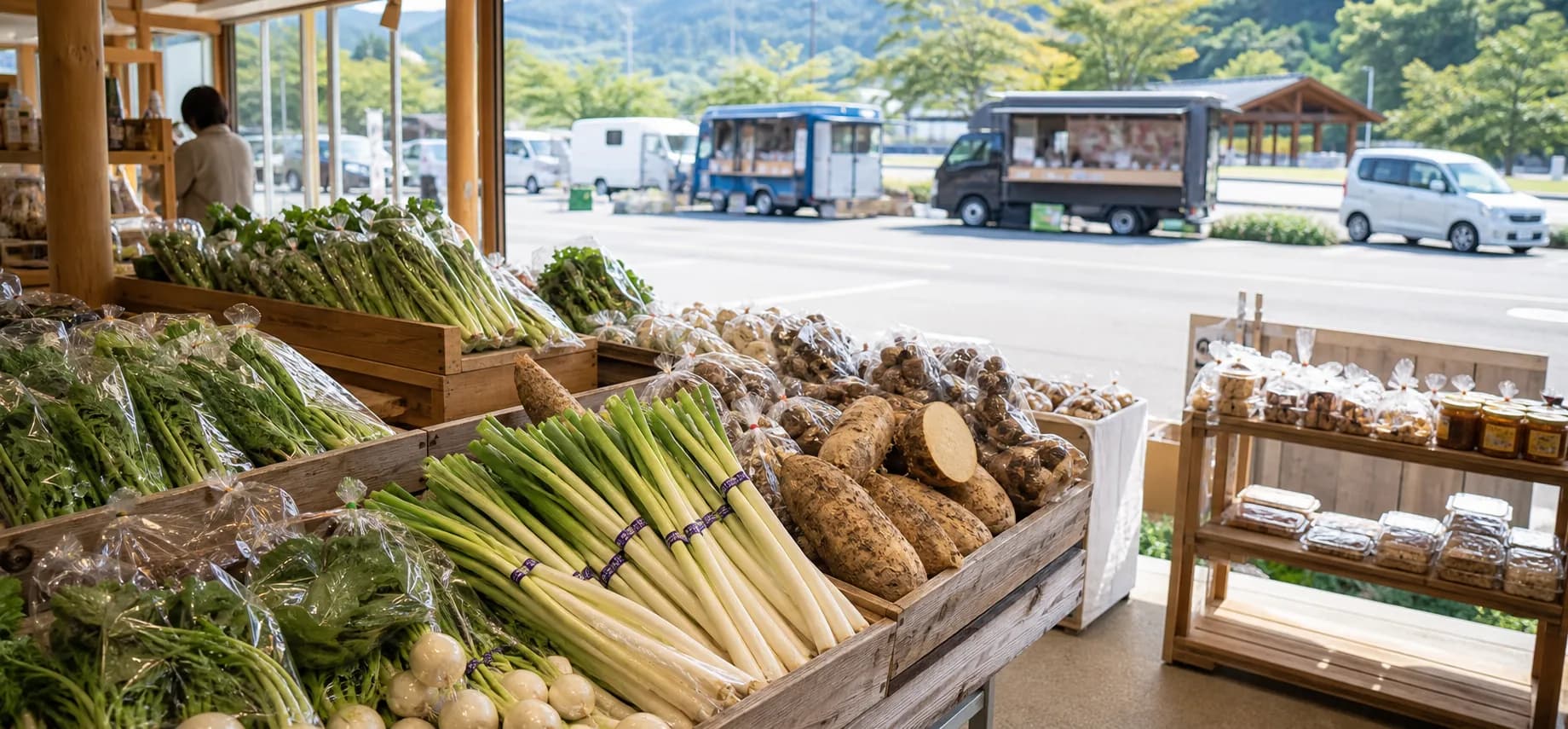
The yamaimo display

The quickest introduction to a specialty of the Ojima district. Freshly harvested yams around November are an extra reason to stop.

For a meal
Check the food trucks before choosing

Vendors rotate rather than serving from a permanent dining hall. Choose from that day's yakisoba, ramen, kebabs, hot sandwiches and other offerings.

To take home
Yakisoba, frozen gyoza and motsuni-boto

Consider Ota-style fried noodles, dumplings from local shops and the station's own frozen dish as souvenirs. Motsuni-boto combines simmered offal with broad wheat noodles.

If time is short
Restroom, farm shop, one treat

It works well as a Jobu Road break; with a clear priority, even 20–30 minutes can be satisfying.

Beyond the station
Serada's historic area

Serada Toshogu Shrine, the Nitta-no-sho History Museum and the Mantokuji Museum are nearby options after a meal.

Illustrative image — not an on-site photograph
Harumichi's stopover notes

Choose today's meal beside the car.

At this station, Harumichi Kosaka would first look over the yamaimo in the shop, then circle the food trucks outside. The distinct pleasure of Ota is choosing on the spot among yakisoba, kebabs or a boxed lunch in the rest area, instead of chasing a single fixed specialty. It adds a little of Ota's food and shopping to a break on the Jobu Road.

Highlights

Michi-no-Eki Ota makes it easy to fit a quick meal and shopping stop into a drive on the National Route 17 Jobu Road. Instead of settling in at a large restaurant, browse the farm shop for Ota's specialty yamaimo (a sticky Japanese mountain yam) and seasonal vegetables, then choose from that day's food trucks in the outdoor Catering Car Village: yakisoba noodles, ramen, kebabs, hot sandwiches and more. A short drive to Serada Toshogu Shrine and the Nitta-no-sho History Museum can turn a shopping break into a history walk in eastern Gunma.

  • #Yamaimo mountain yam
  • #Ota yakisoba
  • #Food trucks
  • #Jobu Road
  • #Serada history walk
Why I like it

Reasons to stop here

01

A clear star of the farm shop

Ota's specialty yamaimo is sold throughout the year; the new crop usually arrives around November. The displays also change with the seasons, with Yayoi Hime strawberries, small watermelons, molokhia and makomodake (wild rice shoots).

02

Enjoy a different meal lineup each day

At Catering Car Village, decide after seeing which vendors have brought udon, ramen, yakisoba, curry, kebabs, chicken-skin gyoza, castella sponge cakes and more. You can also eat in the multipurpose rest area.

03

Extend a road break into a history walk

A short drive toward Serada brings together Serada Toshogu Shrine, the Nitta-no-sho History Museum and the Mantokuji Museum, which tells the story of an enkiridera, a temple where women could seek separation. The location makes a half-day drive easy to plan beyond shopping.

Route idea

Ways to plan your stop

Spend your time at the station or add somewhere nearby. These ideas help you plan around your companions and the weather.

30–45 minutes en route

Take a lunch break on the Jobu Road

Start with a restroom stop and a parking space, then look for yamaimo, boxed lunches and prepared foods in the farm shop. If food trucks are operating outside, you can put together lunch on the spot without searching for another dining place.

Park → farm shop → food trucks → multipurpose rest area → depart

The vendor lineup changes daily. If you are coming for a particular meal, check the official information or call ahead.

A day focused more on shopping than dining

Bring home Ota souvenirs

Compare yamaimo, Ota yakisoba, frozen gyoza, Joshu motsuni-boto (offal stew with broad noodles), Donryu Yume Beer and Tabigarasu sweets. Think about fresh and frozen goods separately so you can choose according to your journey home.

Farm produce → processed and frozen goods → flowers and medaka fish display → checkout

Consider how long fresh and frozen goods will be out of storage. A cooler bag is reassuring in summer.

A half-day drive for adults

Add Serada's historic sites

After a light meal at the station, visit Serada Toshogu Shrine and the Nitta-no-sho History Museum. If time allows, add the Mantokuji Museum to explore Ota's ties to the Tokugawa family.

Station → Serada Toshogu Shrine → Nitta-no-sho History Museum → Mantokuji Museum

The museums are generally closed on Mondays. Follow each site’s official notice for holidays and the year-end/New Year period.

A family drive with elementary-school-age children or older

With children, eat briefly and plan play elsewhere

The station is not a place for a long stay on large playground equipment. After a short meal and shop, head to a destination such as Japan Snake Center or Mikazukimura in the afternoon to give children more to do.

Lunch and shopping at the station → drive toward Yabuzuka → activities and exhibits

The Yabuzuka area is some distance from the station. Check closing times, Friday closures and parking fees before planning the trip.

Hours

Opening hours

Farm produce sales area
9:00-19:00

Local produce, light meals, crafts, souvenirs and more.

Tourism exchange area
9:00-19:00

Visitor information for Ota and the surrounding area. The official site also lists vehicle displays and events.

Multipurpose rest area
9:00-19:00

Guide hours for resting and eating indoors.

Restrooms
24 hours

Facility provided by Japan's Ministry of Land, Infrastructure, Transport and Tourism.

Food trucks
Varies by vendor

Offerings, days off and serving hours change from day to day.

Family

Visiting with children

Stars show the editorial recommendation for each age group on a five-point scale. Read the reasons alongside each rating.

Ages 1 and under
★★★☆☆

A short stop using the nursing room and indoor rest area works well.

Focus on the farm shop and rest area rather than waiting outside at vendors for too long.

Ages 2–3
★★★☆☆

Best for a day broken into short spells of eating, walking and returning to the car.

The station is not a playground destination, so another stop after eating can make the day easier.

Ages 4–6
★★★☆☆

Choosing a food truck or seeing the goldfish and medaka fish display can provide a small change of pace.

Outdoor temperatures and weather matter. Plan to move to the multipurpose rest area to eat.

Elementary school age
★★★★☆

Easy to pair with a Serada history walk or a visit to exhibits in the Yabuzuka area.

Use the station as a base for lunch and shopping, then move to an afternoon destination.

Nursing room

The official facilities guide lists a nursing room.

Place to eat

An indoor place to eat food bought from the trucks.

Long playtime

This is not a playground-focused stop; add a nearby destination if children need active time.

Event

Make an event part of your visit

Permanent spaces and dated events are listed separately. Events can change both the atmosphere and crowds; use the official links for details.

Checking event dates.

Spaces used for events

Tourism exchange area

An indoor venue for brush-lettered message events, consultations and exhibitions.

Outdoor space

Sales and vendor events such as California Street are sometimes held here.

Catering Car Village

The main place to eat. On ordinary and event days alike, the vendor lineup shapes the meal options.

Local feel

Reasons to return

Practical ideas and things to consider when spending time here.

Choose a meal from the day's vendors, not a dining hall

The official facilities guide lists no cooking and sales space for a permanent dining hall; meals center on Catering Car Village and the multipurpose rest area. Visitor reviews also describe deciding on lunch after seeing the food trucks, so leave room for whatever is available that day.

The farm shop ranges from yamaimo to seasonal vegetables

The official shopping guide lists Ota's specialty yamaimo, Gunma-grown Yayoi Hime strawberries, small watermelons, molokhia and makomodake wild rice shoots by season. Choosing according to the time of year adds a local touch even to a short stop.

A road stop used by large vehicles too

Along National Route 17's Jobu Road, the station lists 40 large-vehicle spaces and 126 passenger-car spaces. Nighttime and through-travel visits are more about resting; to enjoy the shop and food trucks, time a sightseeing stop for their daytime hours.

Serada turns shopping into an Ota history walk

Serada Toshogu Shrine, the Nitta-no-sho History Museum and the Mantokuji Museum are within a manageable drive of the station. The museums are generally closed on Mondays, so check the day before heading there after a station meal.

Plan for outdoor vendors in summer and indoor breaks in winter

Because you choose from trucks outdoors, extreme heat, rain and cold affect comfort. You can move to the multipurpose rest area, or switch to boxed lunches, prepared foods or takeaway items from the farm shop instead of waiting outside for a long time.

With children, pair the station with another destination

There is a nursing room and rest area, but this is not a station for hours of playground time. For elementary-school-age children and older, lunch and shopping here followed by Japan Snake Center or Mikazukimura can shape a fuller day.

Movie

Preview the place on video

Official videos show the market and nearby park before you visit. Audio and captions are in Japanese.

Before your visit

Things to check before setting out

Opening and closure days, individual businesses and facilities for children or dogs can affect your plans.

  • Meals center on food trucks rather than a permanent dining hall. Expect the lineup to change on the day.
  • For lunch, arrive before the rush to compare farm-shop boxed lunches and prepared foods with the food-truck offerings.
  • If buying yamaimo or frozen food, plan for the drive home and how to keep purchases cool.
  • For Serada museums, check Monday closures and last admission times before leaving the station.
  • For outdoor vendors in extreme heat, rain or cold, move to the multipurpose rest area early.
  • Large vehicles use this road stop too. Watch for pedestrians and moving vehicles in the parking area, and keep children close.
Food

Eating and shopping

Specialities, places to eat, sweets and bakeries can all give you a reason to stop. Check individual menus for current prices and availability.

  • Farm shop
    Ota specialty yamaimo mountain yam
    Usually sold year-round / new harvest around November
  • Takeaway / light meal
    Ota local-style yakisoba
    Availability varies by display and vendor lineup
  • Station original
    Joshu motsuni-boto
    Served by food trucks; also sold frozen as a souvenir
  • Takeaway
    Frozen gyoza dumplings
    Compare products from gyoza shops in Ota City
  • Meal
    Food-truck snacks and meals
    Daily-changing choices such as yakisoba, ramen, kebabs and hot sandwiches
Food mood

What would you like to eat?

A meal, a sweet treat, market shopping or something to take away: choose a focus for the day instead of trying everything at once.

Illustrative image — not an on-site photograph
A taste of the area

Yamaimo / Gunma Tororin

Start at this shelf if you want to take a taste of Ota home. If you plan to cook, buying a fresh yam alone makes the stop worthwhile.

Consider weight and storage, and choose for the length of the drive home.

Eat here

Food-truck yakisoba, ramen and kebabs

Choose after checking the vendors: that is the characteristic way to eat here. People traveling together can each pick from different trucks.

Closing days and operating dates vary by vendor.

Open at home

Frozen gyoza, Joshu motsuni-boto and Tabigarasu sweets

Many choices can become a meal or a snack with drinks after you get home, carrying the trip beyond a brief stop.

A sweet and a short break

Baby castella cakes, hot sandwiches and coffee

Useful when you want something lighter than lunch. You can sit in the multipurpose rest area before returning to the road.

Sweets and cafe-style options depend on which vendors are present.

Seasonal shopping

Yayoi Hime strawberries, small watermelons, molokhia and makomodake wild rice shoots

Enjoy the changing displays: strawberries from January to March, small watermelons from April to June, molokhia in summer and makomodake in autumn.

Share

Send your travel companions a possible stop.

Send a correction

Let us know if information on this page, such as hours or closing days, is incorrect. Our editors will review your message before updating the guide.

We use your submission only to review and improve our content and to reply about your message.