Skip to content
Michi-no-Eki JournalMap
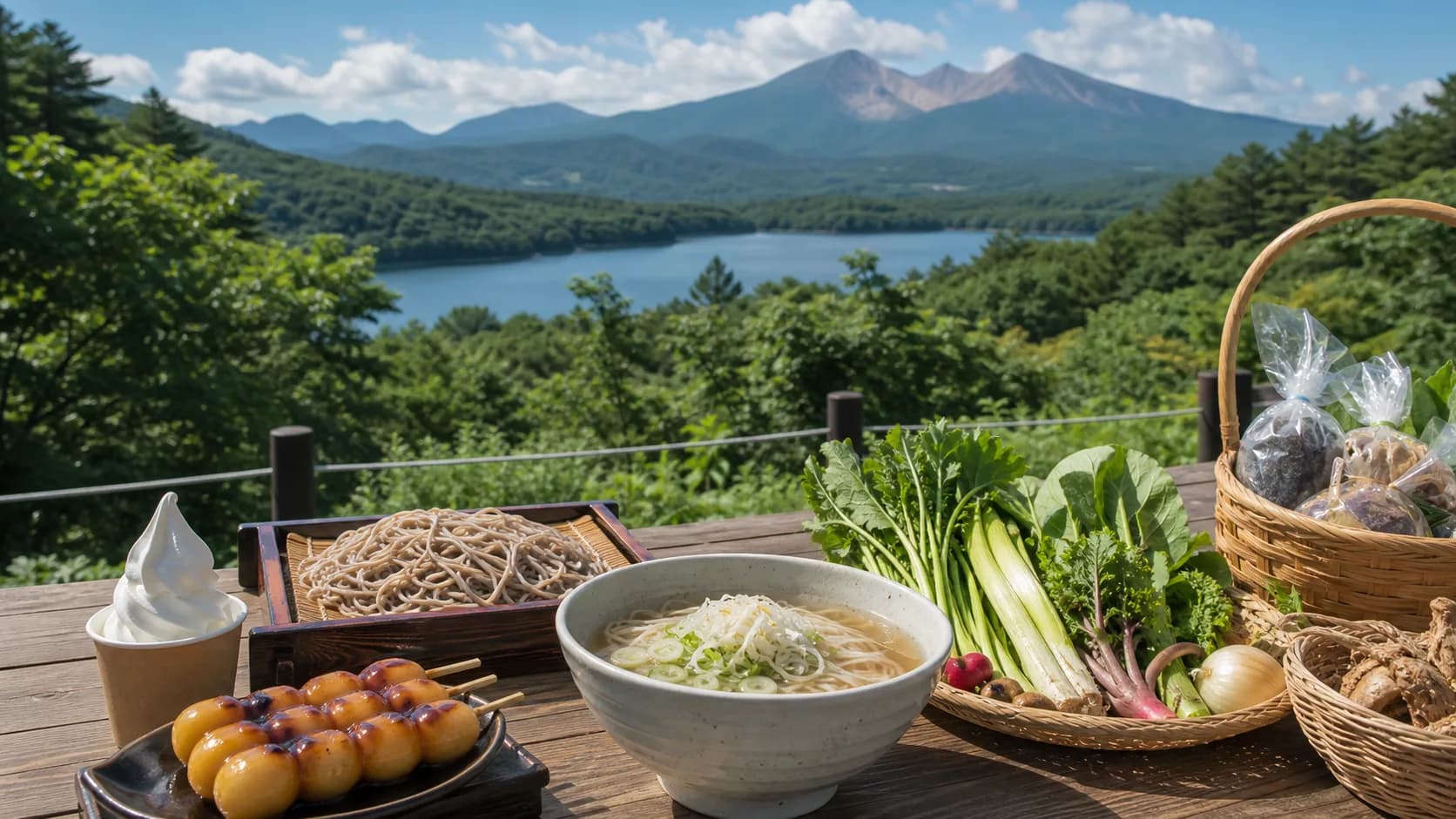
Illustrative image — not an on-site photograph

Fukushima Prefecture · Tohoku

Michi-no-Eki Urabandai Roadside Station

道の駅 裏磐梯

A highland rest stop overlooking Lake Hibara, where you can sample mountain salt ramen, soba and dango, and browse the farm stand in one stop.

Illustrative image — not an on-site photograph

Location
Kitashiobara Village, Yama District
Road
National Route 459
Hours
9:00–17:00
The souvenir shop and farm produce stand are open 9:00–17:00; Restaurant Hibaratei, the dango shop and Mori no Ice Kobo are open 10:00–16:00 (the restaurant is open 11:00–15:00 in winter). The farm stand, dango shop and ice cream shop close for winter from mid-November to mid-April. Check official notices for temporary changes.
Parking
Cars: 57 / Large vehicles: 8
My stamp

Record this station in your journal

Records are saved in this browser. Visited stations receive a stamp and count towards your nationwide progress.

Nationwide progress
— / 1,238 stations
How to enjoy

Choose how to enjoy your visit

Eat, shop, play, take in the view or rest. Choose from the station’s strengths to suit your day.

First thing on arrival
Check the lake view and the weather

If fog or rain calls for a shorter walk at Goshikinuma, you can switch to food and shopping at the station.

For lunch
Mountain salt ramen or Aizu Yamato soba

Restaurant Hibaratei is open 10:00–16:00 (11:00–15:00 in winter). Keep sweets or the farm stand in mind if you arrive outside these hours or find it busy.

For a quick stop
Grilled dango, ice cream and the farm stand

You can get a quick taste of Urabandai while circling Lake Hibara or walking at Goshikinuma. The dango shop, Mori no Ice Kobo and farm stand close for winter from mid-November to mid-April.

To take something home
Highland vegetables, wild mountain vegetables and Aizu souvenirs

What is harvested changes with the season. Allow a little extra time for the farm stand from summer into autumn.

To explore nearby
Goshikinuma Ponds, Lake Hibara and Sakura Pass

Walk outdoors on clear days; in rain or cold weather, spend more time on meals and shopping.

Illustrative image — not an on-site photograph
Shunsuke Takase's food stops

Urabandai is more fun when you make time for local food as well as scenery

On days when I drive toward Goshikinuma or Lake Hibara, I like to stop for food at Michi-no-Eki Urabandai. Mountain salt ramen, soba, dango and the farm stand are reasons to pause. A taste of the area before reaching the lake can make its scenery more memorable.

1

A day centered on the restaurant

If you arrive around lunchtime, consider noodles first. If the restaurant is busy, switch to sweets and the farm stand, with room to return to a meal after your walk.

2

A day centered on shopping

When highland vegetables and wild mountain vegetables are in season, visiting the farm stand before the return drive can be more fun than leaving it until later. Watch the temperature inside your car.

3

A day centered on scenery

On a clear day, take in Lake Hibara and Mount Bandai first. In fog or rain, skip the search for a view and enjoy a food break instead.

Highlights

Michi-no-Eki Urabandai is a useful highland rest stop when driving along the west side of Lake Hibara on National Route 459. For a meal, try mountain salt ramen or Aizu Yamato soba; for a quick bite, choose grilled dango rice dumplings or ice cream. The farm stand carries highland vegetables, wild mountain vegetables and Aizu souvenirs. Before or after visiting the Goshikinuma Ponds, taking a Lake Hibara sightseeing cruise or heading to Sakura Pass, you can pause here for both scenery and food.

  • #Fukushima Prefecture
  • #Kitashiobara Village
  • #Urabandai
  • #National Route 459
  • #Lake Hibara
  • #Aizu mountain salt
  • #Soba
  • #Dango rice dumplings
  • #Farm produce stand
  • #Goshikinuma Ponds
  • #Highland drive
Why I like it

Reasons to stop here

01

Take in the Lake Hibara view first

It is tempting to head straight for Goshikinuma or Lake Hibara, but you can already sense the lake and mountains when you arrive here. Step outside, check the weather and how much energy you have, then choose your next stop.

02

Mountain salt, soba and dango offer a local taste even on a short stop

For a full meal, try ramen made with Aizu mountain salt or Aizu Yamato soba. If time is short, have grilled dango rice dumplings or soft-serve ice cream. Even without time for the restaurant, a sweet snack and some shopping make for a taste of Urabandai.

03

Easy to pair with Goshikinuma and Lake Hibara

The station sits on National Route 459, with routes toward both Goshikinuma and the shore of Lake Hibara. Eat lunch here before heading to the lake, rest over a sweet after a walk, or spend more time eating and shopping when it rains. It is a flexible stop when the weather changes your plans.

Route idea

Ways to plan your stop

Spend your time at the station or add somewhere nearby. These ideas help you plan around your companions and the weather.

A first weekend drive through Urabandai

Eat lunch and shop before Goshikinuma

Fuel up with mountain salt ramen or Aizu Yamato soba, look over highland vegetables and wild mountain vegetables at the farm stand, then head for Goshikinuma. Trail conditions change with the weather, so settle your plans at the station before setting out.

Michi-no-Eki Urabandai → Goshikinuma Ponds; about 15 minutes by car.

At lunchtime on weekends and holidays, leave room in your plans to switch from the restaurant to dango or ice cream if it is busy.
A day heading toward the lakeshore from Aizuwakamatsu or Kitakata

Pause for scenery and sweets on a Lake Hibara drive

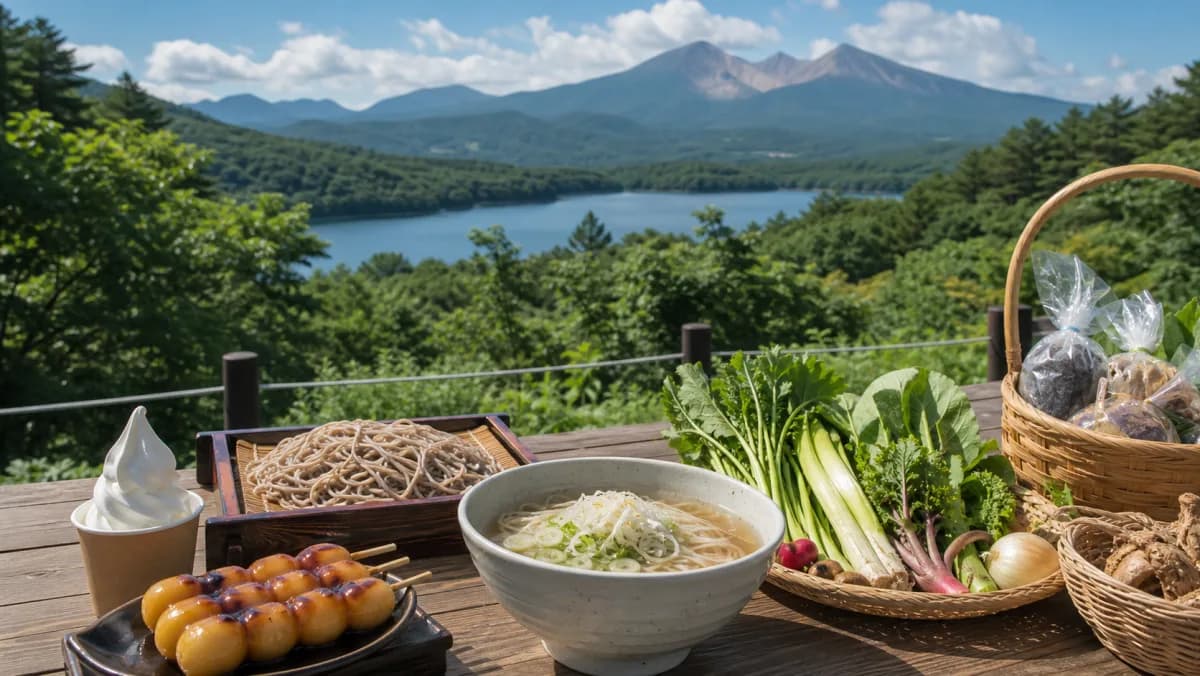
When driving along Lake Hibara on National Route 459, this stop offers more than a toilet break. Grilled dango or soft-serve ice cream with a view of the lake and mountains makes the arrival in Urabandai feel real.

Kitakata area → Michi-no-Eki Urabandai → Lake Hibara shore.

In fog, focus on food and shopping rather than waiting for a view.

Families wanting a shorter walk, or adults stopping mainly to shop

On a rainy day, make a short trip of the restaurant, farm stand and produce hall

Urabandai is well suited to outdoor walks in fine weather. When it rains, spend more time at the restaurant and farm stand. If time remains, head to the Urabandai Products Hall for another indoor shopping stop.

Michi-no-Eki Urabandai → Urabandai Products Hall; about 15 minutes by car.

In winter or severe weather, check road conditions and changing opening hours rather than pressing on with a circuit.

A day trip centered on the season

Add Sakura Pass in spring or autumn foliage for a seasonal drive

Spring brings cherry blossoms at Sakura Pass; autumn brings color to the lakeshore and Goshikinuma. Eat and shop at the station before visiting natural sights, so you have a comfortable rest stop even when the area is crowded.

Michi-no-Eki Urabandai → Sakura Pass / Goshikinuma / Lake Hibara.

Peak bloom and foliage dates shift each year. Allow extra time for parking during the busiest cherry blossom and autumn color periods.

Hours

Opening hours

Shop (souvenirs and local specialties)
9:00-17:00

Open year-round. Closed every Wednesday during winter (mid-November to mid-April).

Farm produce stand
9:00-17:00

Closed for winter from mid-November to mid-April (reopened on April 11 in 2026). Stock varies by season and harvest.

Restaurant Hibaratei
10:00-16:00

Winter hours are 11:00–15:00. Serves mountain salt ramen, soba and other dishes. The official restaurant page lists seasonal menus.

Dango shop and Mori no Ice Kobo
10:00-16:00

Closed for winter from mid-November to mid-April (reopened on April 11 in 2026).

24-hour toilets
24 hours

The shop and restaurant are closed late at night and early in the morning; the station still serves as a rest stop on National Route 459.

Tourist information
Daytime

Weather and road conditions affect visits to Goshikinuma, Lake Hibara and Sakura Pass.

Family

Visiting with children

Illustrative image — not an on-site photograph

Stars show the editorial recommendation for each age group on a five-point scale. Read the reasons alongside each rating.

Ages 1 and under
★★★☆☆

Best for a short rest

The 24-hour toilets and daytime shop are useful for a break. Avoid building the stop entirely around outdoor walking; in bad weather, food and shopping are enough.

Ages 2–3
★★★☆☆

A sweet snack and short walk

Dango and ice cream make an easy change of pace, but the station itself is not a place to play for hours. Keep walks at Goshikinuma short.

Ages 4–6
★★★★☆

A little time by the lake and forest

After a meal, a short walk by Lake Hibara or near the entrance to Goshikinuma adds outdoor time to the drive. Switch to shopping if it rains.

Elementary school age
★★★★☆

Pair with Goshikinuma and Lake Hibara

For children who enjoy nature walks, the station is a base for lunch and supplies. Allow extra time during autumn foliage season and summer holidays when it may be crowded.

Stroller

Paths and distances vary at nearby natural sites such as Goshikinuma, so a baby carrier may be useful too.

Rainy day

Skip any forced outdoor walk and focus on indoor shopping and food.

Winter

Snow and ice make travel times hard to predict. The station closes every Wednesday in winter (mid-November to mid-April), and the farm stand, dango shop and ice cream shop close for the season. Use it as a rest stop rather than planning a full lakeshore circuit.

Diaper changing

The toilets, which are available 24 hours, have a baby bed and an accessible toilet.

Event

Make an event part of your visit

Permanent spaces and dated events are listed separately. Events can change both the atmosphere and crowds; use the official links for details.

Checking event dates.

Spaces used for events

Farm stand and seasonal arrivals

Wild mountain vegetables, highland vegetables, mushrooms and processed foods change the display with the seasons. Arrival updates sometimes appear on Instagram, so shopping can be a reason to stop even without a restaurant meal.

Urabandai Hi no Yama Festival and other lakeside events

In summer, you can pair a stop here with fireworks and lakeside events around Lake Hibara. Use the station for food and toilets, and check the organizer's current information for venues and traffic restrictions.

Sakura Pass and peak autumn colors

Spring blossoms and autumn foliage change the experience of Urabandai. Parking and the restaurant can get busy at peak times, so plan an early break at the station.

Local feel

Reasons to return

Practical ideas and things to consider when spending time here.

The restaurant can be a lunchtime destination

Many visitors seek out the mountain salt ramen or soba, and weekend lunches can become longer meal stops. When time is tight, keep sweets and the farm stand as alternatives.

Grilled dango and ice cream suit a quick break

Even without entering the restaurant, dango or soft-serve ice cream can make for a distinctly Urabandai stop. They also work for families with children or during a drive around the lake.

The view depends greatly on the weather

Lake Hibara and the mountains look different in sun, fog and rain. Pair the view with the restaurant and farm stand so the stop still has a purpose if the weather changes.

Many visitors combine it with Goshikinuma

The station works naturally with journeys to Goshikinuma, Lake Hibara and the Kitakata area. Its role changes from lunch before a walk to a sweet after it or shopping on the way home.

The farm stand changes with season and time of day

Wild mountain vegetables, highland vegetables and mushrooms change with the season. Fresh produce may be scarcer late in the afternoon, so stop earlier if shopping is a priority.

Think about roads and cold first in winter

Snow and ice affect Urabandai. In winter, keep a lakeshore circuit modest and use the station for toilets, food and road information instead.

Before your visit

Things to check before setting out

Opening and closure days, individual businesses and facilities for children or dogs can affect your plans.

  • If you are going for the restaurant, avoid the busiest lunch hour to leave more time for Goshikinuma or Lake Hibara.
  • For the farm stand, arrive earlier rather than late in the afternoon. The highland vegetables and wild mountain vegetables available vary by season and time of day.
  • In fog or rain, focus on the restaurant, dango and shopping instead of chasing a view.
  • Snow and ice can make winter travel times unpredictable. During winter (mid-November to mid-April), the station closes every Wednesday, while the farm stand, dango shop and ice cream shop close for the season. Prioritize a rest stop and road information over a lakeshore circuit.
  • Around cherry blossom season, autumn foliage season and the Hi no Yama Festival, nearby parking areas and roads can be busy. Plan an earlier, shorter station stop.
  • With children, use the station for a meal and a sweet, then add a short walk near the Goshikinuma entrance or lakeshore rather than planning to play at the station for hours.
Food

Eating and shopping

Specialities, places to eat, sweets and bakeries can all give you a reason to stop. Check individual menus for current prices and availability.

  • Restaurant
    Aizu mountain salt ramen
    See the restaurant information
  • Restaurant
    Aizu Yamato soba
    See the restaurant information
  • Light meal
    Grilled dango rice dumplings
    ¥400 (tax included)
  • Sweets
    Soft-serve ice cream
    ¥450 (tax included; soba / mountain salt / vanilla)
Food mood

What would you like to eat?

A meal, a sweet treat, market shopping or something to take away: choose a focus for the day instead of trying everything at once.

Illustrative image — not an on-site photograph
A full meal

Aizu mountain salt ramen / Aizu Yamato soba

A good choice when you want lunch at the station before Goshikinuma or Lake Hibara. Warm, savory noodles are especially welcome when the highland wind is cold.

Restaurant Hibaratei is open 10:00–16:00 (11:00–15:00 in winter). You may have to wait at lunchtime or in peak tourist periods; shifting your meal time slightly can help.

A satisfying quick stop

Grilled dango rice dumplings / soft-serve ice cream / light meals

Even if you do not have time for the restaurant, a sweet snack makes the break more enjoyable. It is a useful option on a lakeshore drive.

The dango shop and Mori no Ice Kobo close for winter from mid-November to mid-April. When eating outside, choose a spot with wind, cold, insects and crowds in mind.

Something to take home

Highland vegetables / wild mountain vegetables / mushrooms / Aizu souvenirs

The farm stand reflects the season. Look for vegetables from summer into autumn, wild mountain vegetables in spring, and processed foods and Aizu souvenirs at the shop in colder months.

The farm stand closes for winter from mid-November to mid-April; in winter, the shop's processed foods and Aizu souvenirs take priority. Fresh produce may run low later in the day.

Food to share with children

Soba / dango / ice cream

If children are tired before or after a walk, seated noodles or a quick sweet treat that is easy to share can help.

Watch small children with hot noodles and food on skewers. When it is crowded, check seating and the route through the space first.

Check the seasonal menu

Summer chilled noodles / farm produce at harvest time

Official notices and Instagram share seasonal menus, arrivals and temporary opening changes. On a return visit, see what is different on the menu that day.

Limited-time items may end or sell out early.

Share

Send your travel companions a possible stop.

Send a correction

Let us know if information on this page, such as hours or closing days, is incorrect. Our editors will review your message before updating the guide.

We use your submission only to review and improve our content and to reply about your message.